Dassault Rolls Out First Falcon 10X at Bordeaux-Mérignac, Eyes 2027 Entry Into Service
Why It MattersThe slipped timeline and thin four-aircraft test cohort underline how ultra-long-range jet programs increasingly compete on cabin size and engine efficiency even as certification schedules routinely stretch years beyond first announcements.
What happened
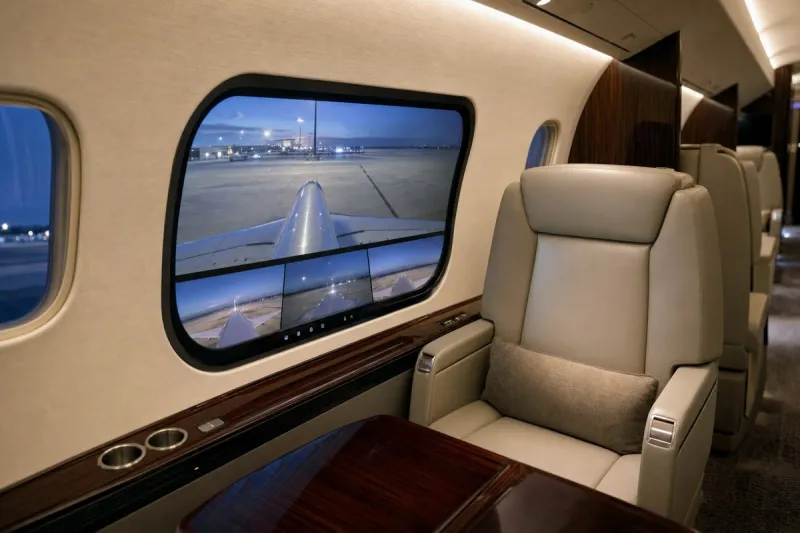
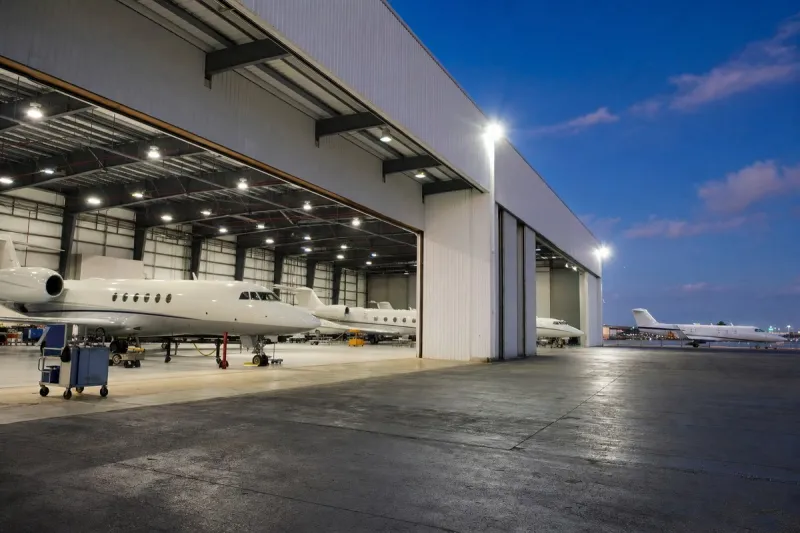
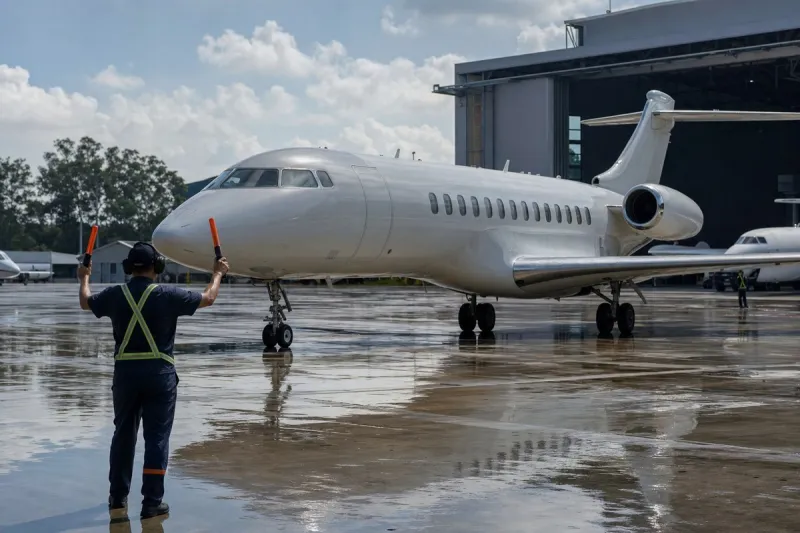
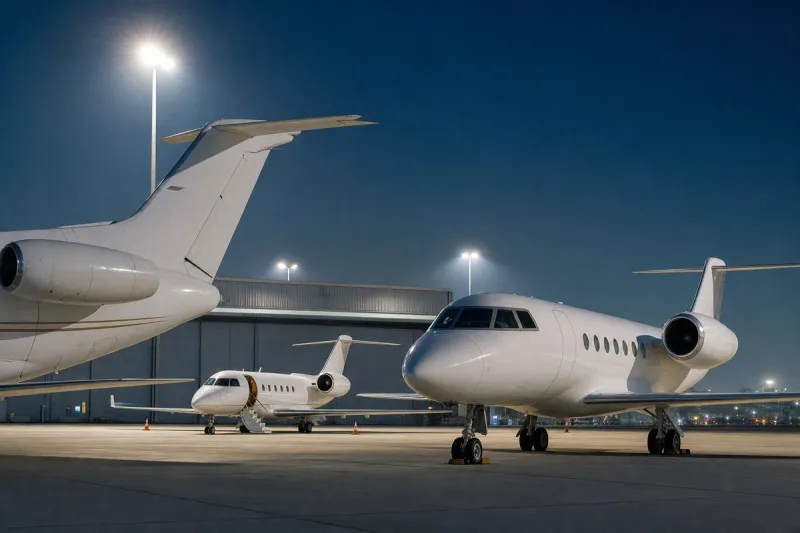
Dassault Aviation staged the public roll-out of the first Falcon 10X airframe at its new assembly facility at Bordeaux–Mérignac Airport, calling it the largest purpose-built business jet the company has built. The cabin measures 6 ft 8 in high, 9 ft 1 in wide and 53 ft 10 in long, which Dassault says is the biggest cabin volume in its class; by comparison, a Gulfstream G700 cabin measures 6 ft 3 in high, 8 ft 2 in wide and 56 ft 11 in long. The cabin includes 38 windows, a 3,000 ft cabin altitude at FL410, an L-shaped shower, a crew rest area certified for three pilots, and space for a queen-size bed, which Dassault describes as an industry first. Baggage volume is approximately 198 cubic ft.
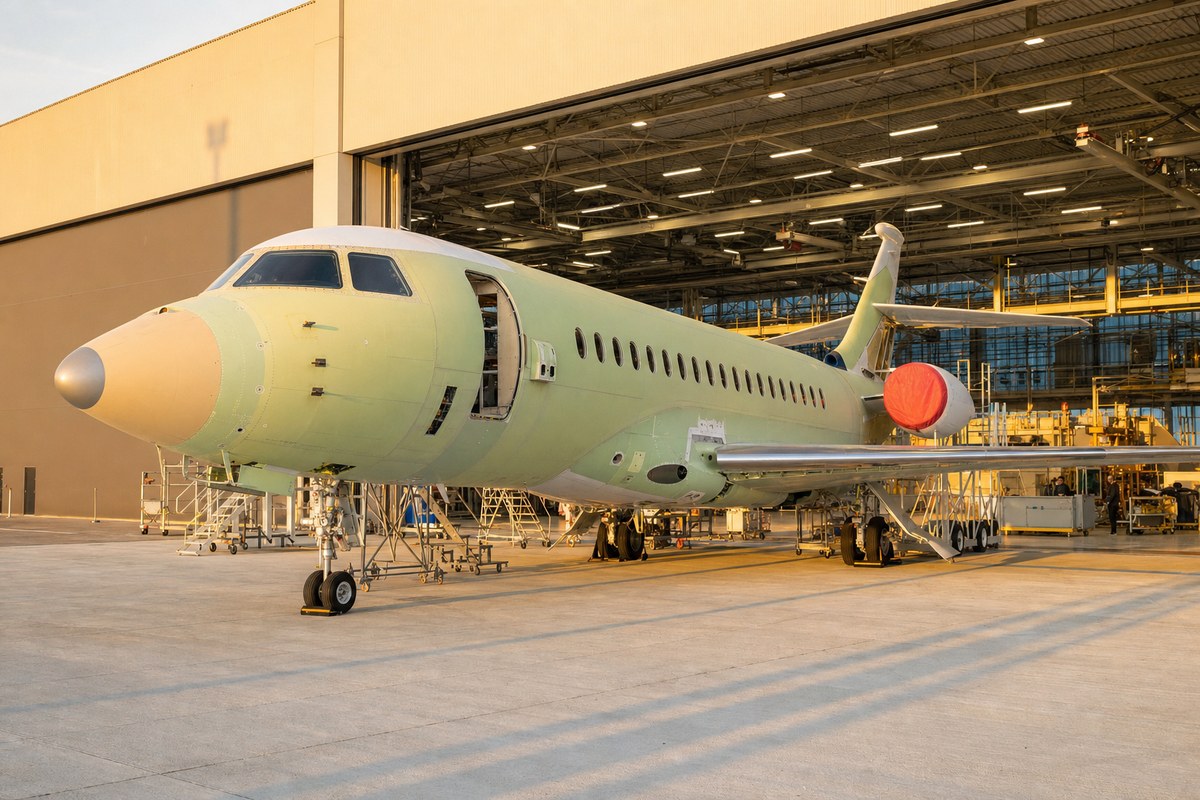
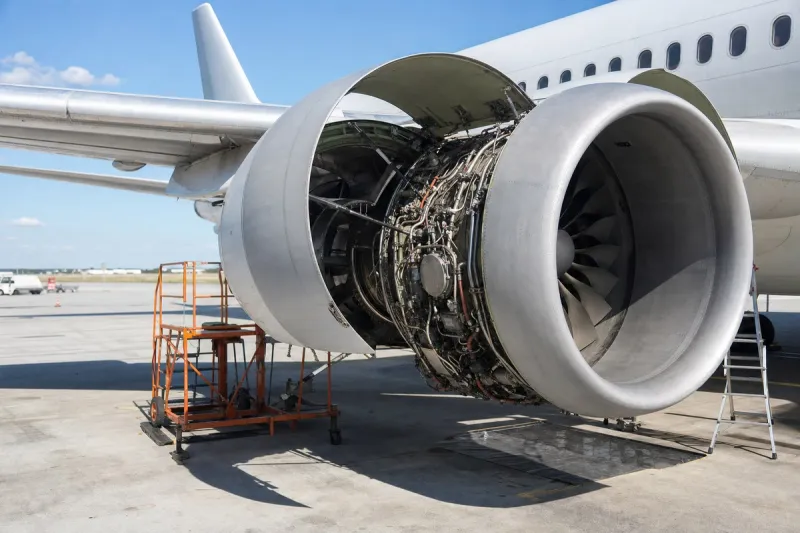
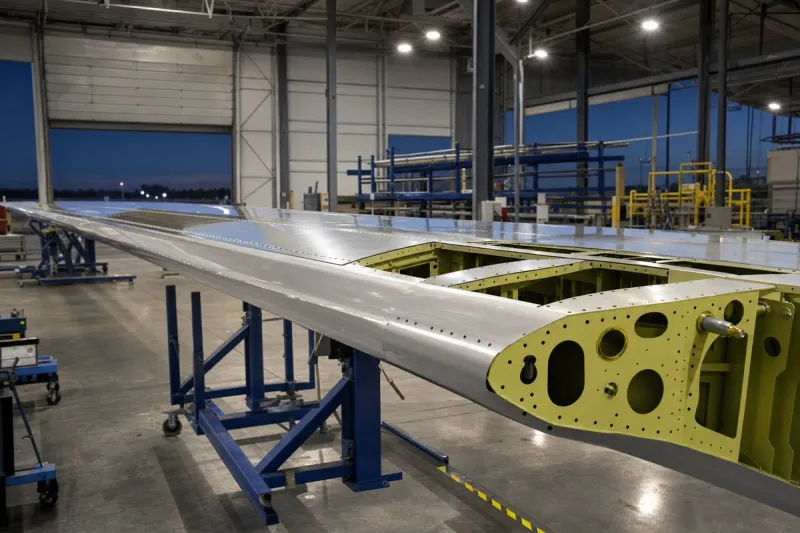
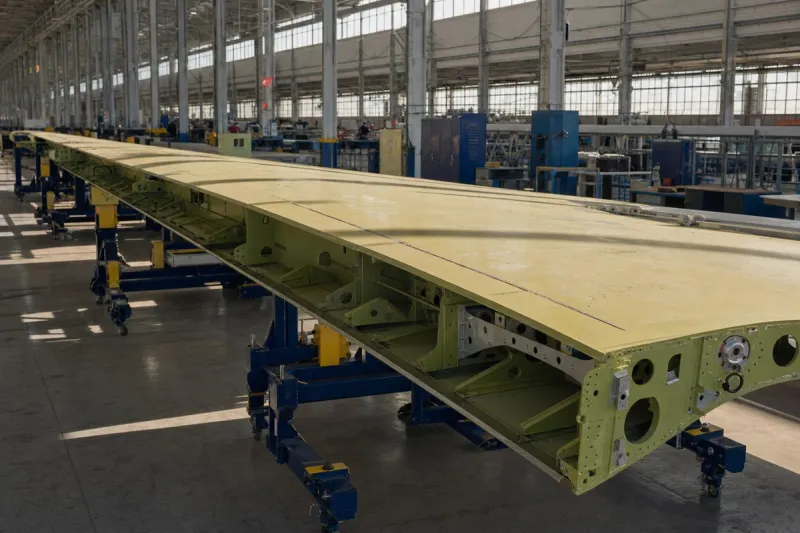
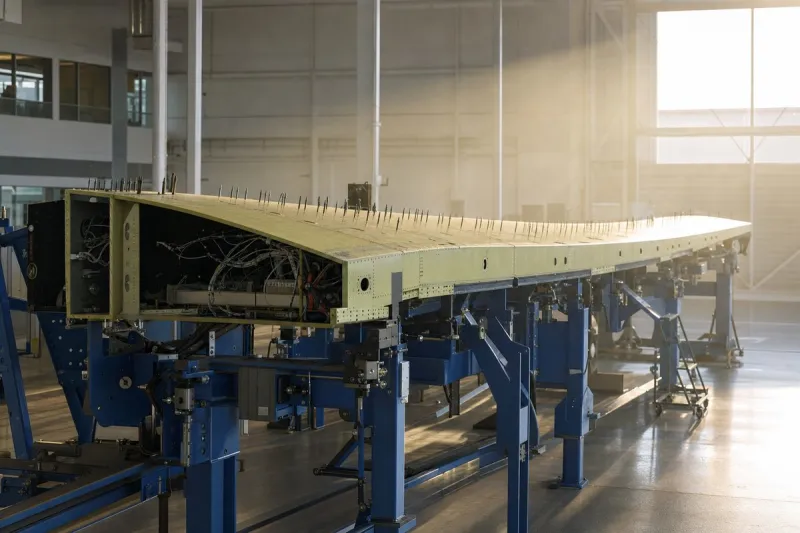
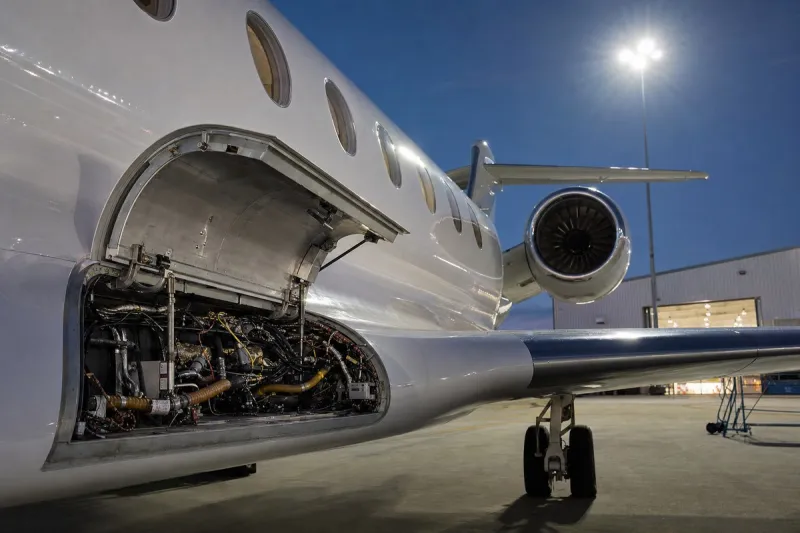
The 10X is a clean-sheet twin-engine design with an all-new wing built almost entirely from carbon fibre composite materials, featuring a curved trailing edge, a high constant sweep angle and low relative thickness. The fuselage has an upturned nose intended to improve laminar flow and a flattened area above the cockpit to reduce interior noise. Cruise speed is Mach 0.85, with a top cruise speed of Mach 0.90, supporting city pairs such as New York–Shanghai, Los Angeles–Hong Kong and São Paulo–Dubai. Power comes from all-new Rolls-Royce Pearl 10X engines, the first Rolls-Royce powerplant on a Dassault civil aircraft, which have logged 3,500 test hours including approximately 25 test flights covering 36,000 nm. Rolls-Royce senior vice president Phillip Zeller said the engine delivers more than 18,000 lb of thrust and "the most efficient core available in business aviation."
The flight deck introduces Dassault's NeXus avionics suite with eight multi-function displays; around 50% of the physical switches found in the Falcon 6X have moved to these displays, all physical keyboards have been replaced by digital equivalents, and the cockpit uses a single throttle lever managing both engines. Antoine Doussand, experimental test pilot at Dassault Aviation, said the design philosophy centres on "simplification" and "reducing workload." Jean Kayanakis, senior vice president for Worldwide Falcon Customer Service & Service Center Network, said the 10X is rumoured to cost between $75 million and $100 million, calling that price "competitive" with ultra-long-range rivals, and said a target of around 20 aircraft per year would be desirable while the immediate priority is first flight and certification.
Four airframes will form the test cohort: the first has been rolled out, a second is in build, and two more are planned, with certification sought from EASA. Entry into service has slipped from an original 2025 target to late 2027, though some observers suggest it could move to 2029. The airframe carries a 20-year warranty, with maintenance intervals targeted at 800 hours or 12 months between routine inspections and a 10-year interval between major inspections; Dassault says it currently holds 88,000 spare parts on the shelf. Separately, Dassault delivered 37 business aircraft in 2025, up from 31 in 2024.
Industry impact & what to watch
The 10X roll-out belongs to a familiar cycle in ultra-long-range business jets: a clean-sheet cabin and engine combination is unveiled well ahead of certification, with the entry-into-service date moving as flight test progresses. Dassault's own schedule illustrates the point, sliding from an original 2025 target to late 2027, with some observers pointing to 2029.
This segment competes less on speed than on cabin dimensions, range-enabling city pairs and engine efficiency, which is why Dassault set its cabin measurements directly against the Gulfstream G700 and why Rolls-Royce emphasized the Pearl 10X's thrust and core efficiency rather than simply its presence on the airframe. Pricing rumored at $75 million to $100 million and a production target around 20 aircraft per year signal how Dassault is positioning the 10X against established ultra-long-range rivals, though the company itself frames certification as the gating milestone before volume commitments matter.
What happens with the second test airframe now in build, and the pace at which the remaining two join the four-aircraft cohort, will be the clearest signal of whether the late-2027 target holds or slips further toward 2029.