Europe's Clean Aviation Funds 19 Projects Worth €664 Million in Fourth Call, Including Regional Aircraft Research Led by Leonardo
Why It MattersRegional-aircraft electrification research is advancing through staged, multi-partner EU funding even as the launch customer for the resulting technology, ATR, holds back from committing to a new aircraft.
What happened
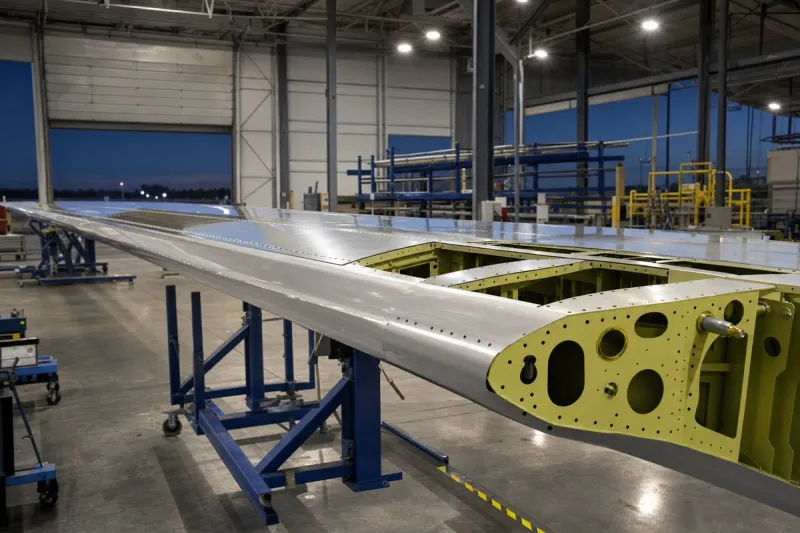
Europe's Clean Aviation research program has funded 19 projects worth €664 million ($760 million) under its fourth call for proposals, with €290 million coming from the EU and the rest from industry partners. Among the newly funded projects is Athena, led by Leonardo — a joint-venture partner in ATR — which will demonstrate an advanced airframe for ultra-efficient regional aircraft under the program's Ultra-Efficient Regional Aircraft (UERA) initiative. Athena is planned to begin in early 2027, leading to a full-scale ground or flight demonstration in 2029–30.

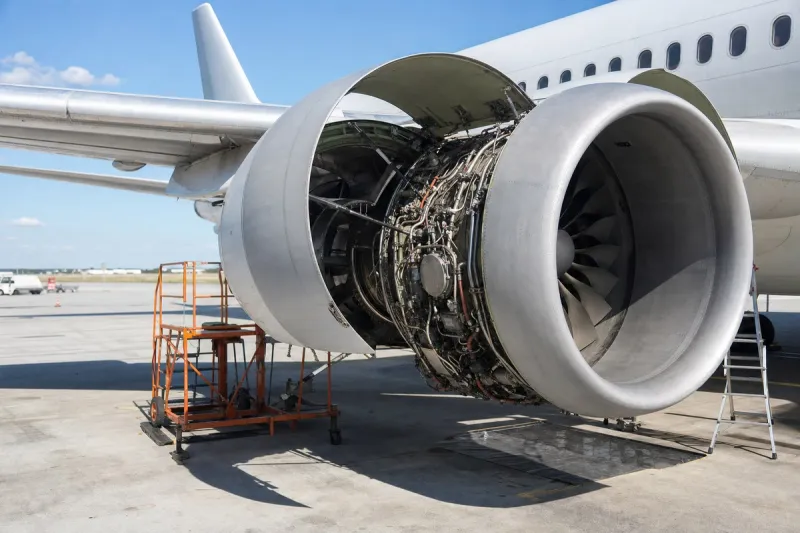
Call 4 provides €40 million in EU funding for UERA, which the program describes as a significant reduction compared with Call 3, bringing total EU funding committed to regional-aircraft technology development to more than €220 million since Clean Aviation's calls began. Call 3 had awarded €144 million in EU funding to three project leads: ATR, to define the UERA concept and build and fly an ATR 72-based demonstrator; Pratt & Whitney Canada, to develop a turbine-electric hybrid engine; and Safran, to develop systems for electrical power generation and distribution as well as energy and thermal management, with a commitment to flight-test a hybrid-electric regional aircraft demonstrator by 2030.
Across all four calls, Clean Aviation has funded projects covering wing, fuselage and systems technology for a next-generation regional aircraft. Call 4 also includes two smaller fast-track projects targeting low-power ice protection and cabin acoustic optimisation.
ATR's product decision
The research feeds into ATR's ongoing deliberations on its next product. The Airbus/Leonardo joint venture had planned to launch a hybrid-electric aircraft known as the EVO to replace the ATR 42/72 family in the early 2030s, but stepped back in 2025, stating the technology was not ready. ATR is now pursuing parallel development tracks — hybrid-electric propulsion and a next-generation turboprop engine — and says it will not commit to a new aircraft until the technology is mature.
Industry impact & what to watch
This funding pattern shows how European public research money is being used to de-risk regional-aircraft propulsion and airframe technology in stages, spreading commitments across airframers, engine makers and systems suppliers rather than backing a single design. The drop in UERA funding from Call 3's €144 million to Call 4's €40 million reflects a shift from full-scale demonstrator work toward more targeted studies like Athena's airframe demonstration, even as the cumulative EU commitment to the segment passes €220 million.
The structure also illustrates a recurring tension in regional-aircraft development: the technology-maturation funding continues on its own multi-year timeline, while the prospective launch customer, ATR, has already pulled back from committing to the EVO aircraft it once planned around this same technology. Whether Athena's 2029-30 demonstration and the earlier ATR 72-based demonstrator converge into an actual product decision depends on ATR's parallel hybrid-electric and turboprop-engine tracks reaching maturity on a timeline ATR is willing to commit to.