Honeywell Aerospace Spun Off as Independent Company Following Elliott Investment Management Pressure
Why It MattersThe split shows how activist pressure can force a standalone valuation for aerospace units whose aftermarket mix and margins differ materially from a diversified industrial parent.
What happened
Honeywell Aerospace has been spun out from the broader Honeywell conglomerate, which has been renamed Honeywell Technologies, with shareholders receiving one Honeywell Aerospace share for every two Honeywell Technologies shares held. The separation was driven in large part by activist investor Elliott Investment Management, which had invested $5 billion in the company and argued that housing aviation within a conglomerate structure no longer made sense.

"Today marks the start of a new era for Honeywell Aerospace," said Jim Currier, president and CEO of Honeywell Aerospace. "As an independent aerospace and defence company, we are fully dedicated to our mission to protect and advance the promise of flight to create a safer, more connected world." Currier, who has worked in aerospace at the company for nearly 20 years, has welcomed the spin-off. Honeywell Aerospace has forecast compound organic sales growth of approximately 6% per year, with earnings expected to rise by around 9% annually.
Jefferies noted that margins are primarily driven by a favourable mix shift toward high-margin aftermarket services, alongside operational efficiency gains, though profitability is partially offset by ongoing R&D investment, standalone public company costs, and external pressures including raw materials costs, inflation, and supply chain constraints. Robert Stallard, partner at Vertical Research Partners, described Honeywell Aerospace as "a quality asset" while noting the stock is expected to perform in line with the broader aerospace and defence sector.
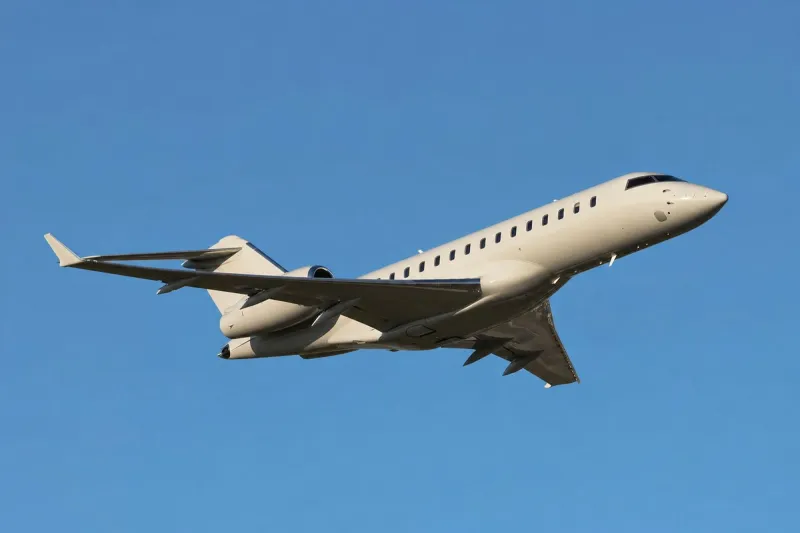
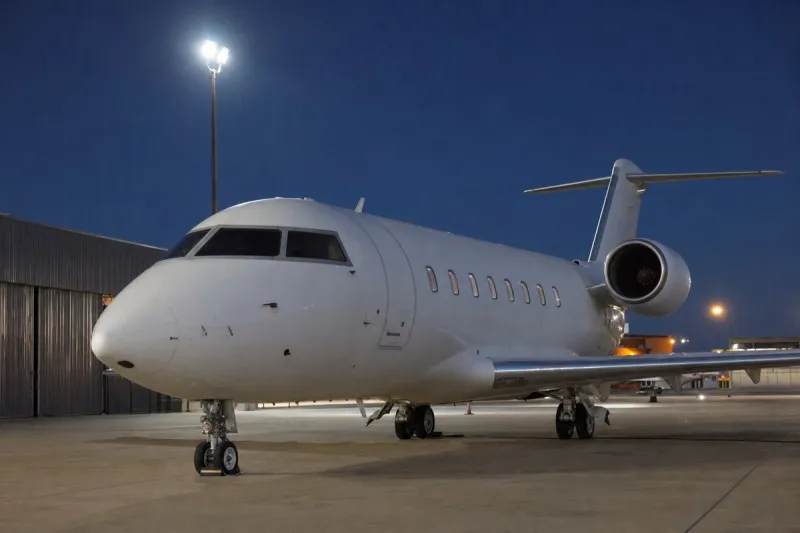
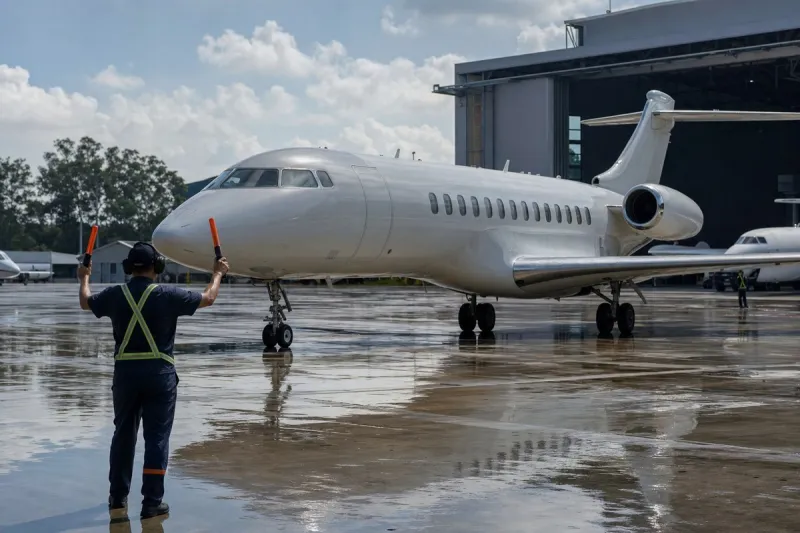
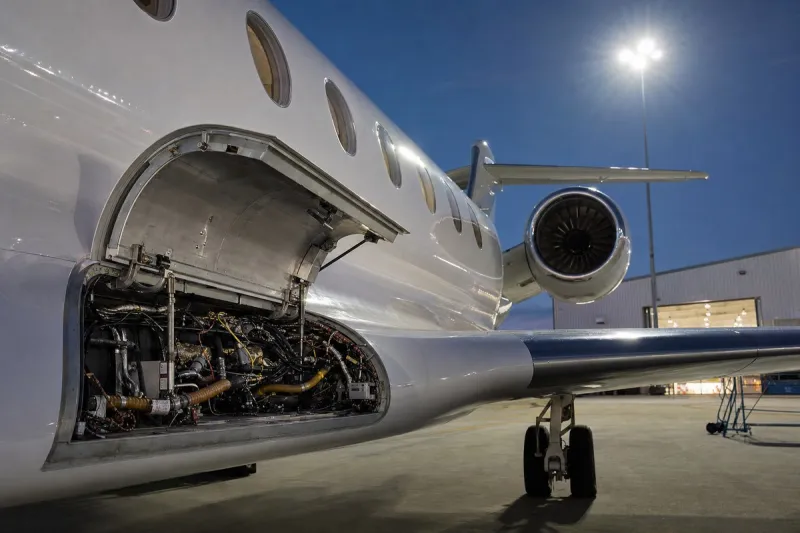
Vertical Research Partners estimates that approximately 20% of Honeywell Aerospace's revenues come from business aviation, with 24% of total sales derived from business jet aftermarket services and 10% from equipment sales to business jet manufacturers. For comparison, General Dynamics derives roughly 25% of revenues from business aviation, Textron approximately 23%, and Embraer around 30% of its sales from its Executive Jets division. Stallard cautioned that Honeywell Aerospace carries a higher weighting to the business jet aftermarket than many peers, and that this segment is likely to grow at a more subdued rate, particularly compared to large engines. Customers are expected to see little operational change following the spin-off, continuing to deal with the same personnel, aside from updated orange branding on invoices.
Industry impact & what to watch
Elliott's stake and the resulting split illustrate a wider dynamic in aerospace suppliers: when an aviation-heavy division sits inside a diversified industrial group, its growth and margin profile can get obscured by unrelated businesses, giving activists an opening to argue for separation as a way to unlock a cleaner valuation. Analysts framing Honeywell Aerospace's business jet exposure alongside General Dynamics, Textron and Embraer shows how the market benchmarks a newly independent supplier against peers with comparable aftermarket and OEM equipment mixes rather than in isolation.
How this segment works is visible in the numbers cited: aftermarket services carry higher margins than original equipment sales, so a company's growth outlook depends heavily on the split between the two, and on how much of its revenue is tied to business jets versus other aviation categories. Stallard's caution that the business jet aftermarket will grow more slowly than large engines points to a structural ceiling on how fast Honeywell Aerospace's aviation mix can expand relative to peers weighted toward commercial or defence engines.
What happens next will show up in whether the forecast 6% organic sales growth and 9% earnings growth hold up as a standalone public company absorbs new costs and R&D spending without the cushion of a larger parent's balance sheet. Operators and suppliers dealing with the business will notice little day-to-day change beyond branding, so the real test is financial, not operational, and will be visible in how the stock trades against the aerospace and defence sector Stallard used as the comparison point.