Singapore EDB Targets AI, MRO Value Chain Advancement as Aerospace Hub Strategy
Why It MattersAs regional fleets are expected to double, MRO hubs that combine engine and airframe capacity with AI-enabled processes stand to capture higher-margin engineering and IP work rather than just parts volume.
What happened
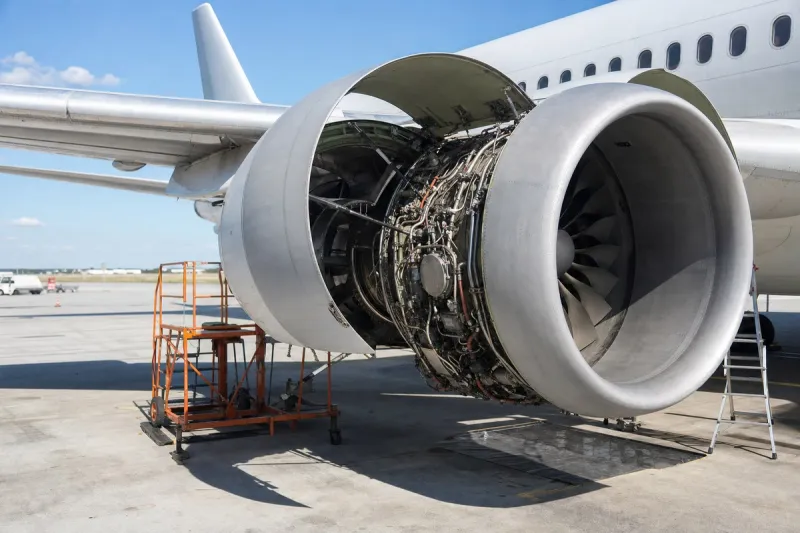
The Singapore Economic Development Board (EDB) is working to strengthen Singapore's position as a regional aerospace MRO hub, with ambitions to move up the value chain into engineering, intellectual property and advanced manufacturing know-how. Singapore is currently home to about 130 aerospace companies, accounting for roughly 10% of global airframe MRO output and 20% of engine MRO activity, according to EDB.
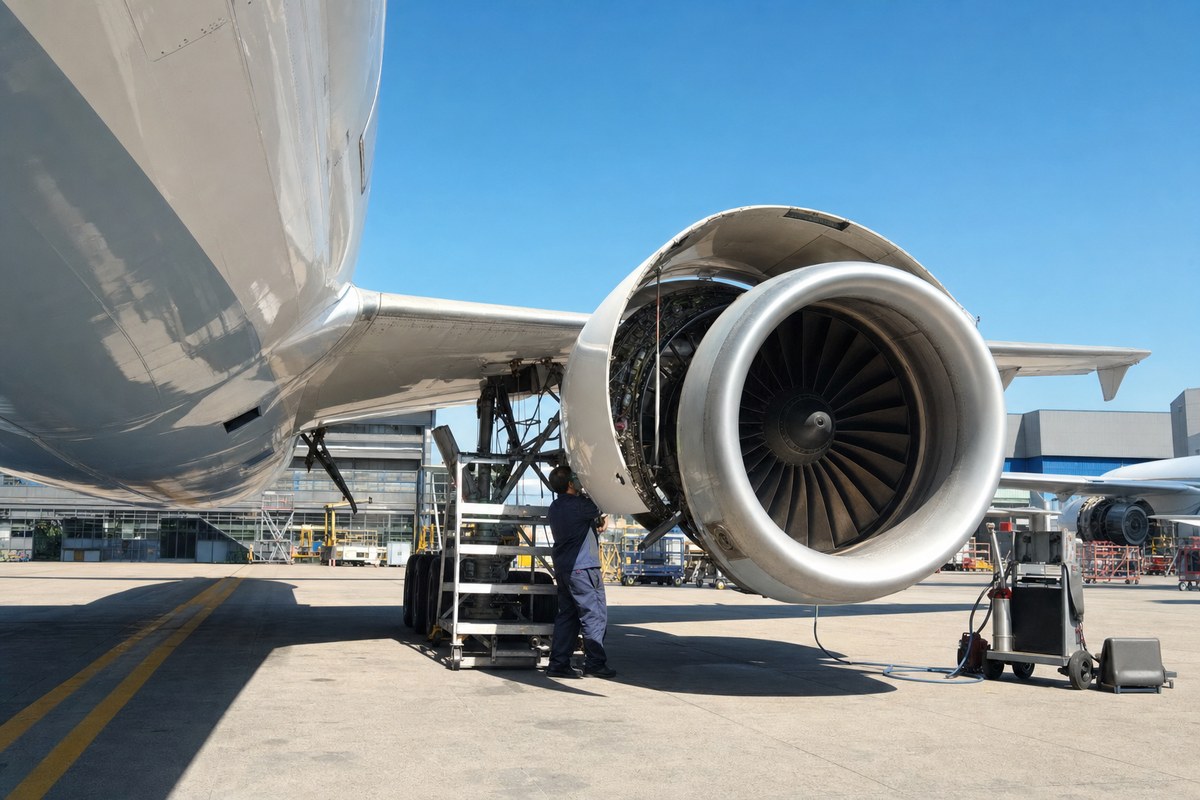
The sector has attracted approximately S$750 million ($580 million) in investment commitments announced around the Singapore Airshow, including GE Aerospace's plans to expand engine repair capabilities in the country. Speaking at MRO Asia-Pacific, EDB Vice President and Head of Mobility and deputy head of Americas Zheng Jingxin outlined three priorities: advancing up the value chain beyond parts manufacturing, expanding aerospace research and development, and establishing centers of excellence for artificial intelligence. "We want to be the place where the future of aerospace is designed, developed, and deployed," Zheng said.
Government-led programs including AI Singapore and AI for Manufacturing (AI MFG) are designed to help companies develop, test and deploy AI technologies in operational environments. Zheng noted that the aerospace sector has outperformed Singapore's broader manufacturing sector in recent years in output and value-added metrics, alongside other high-growth industries such as semiconductors and healthcare.
Industry impact & what to watch
This is part of a broader move by established MRO hubs to defend market share not by adding shop capacity alone but by climbing into engineering, IP ownership and design work that carries higher margins than routine parts repair. Airframe and engine MRO have historically competed on turnaround time and labor cost; adding AI-enabled diagnostics and centers of excellence changes the basis of competition toward data and process ownership.
Zheng's point that regional commercial fleets are projected to double is the operational anchor for why EDB expects MRO demand to stay resilient even as competition from other regional hubs intensifies. Whether Singapore actually captures a larger share of engineering and IP work, rather than just servicing more aircraft at the same value-chain position, will depend on how programs like AI Singapore and AI MFG translate into deployed capability at companies such as GE Aerospace.