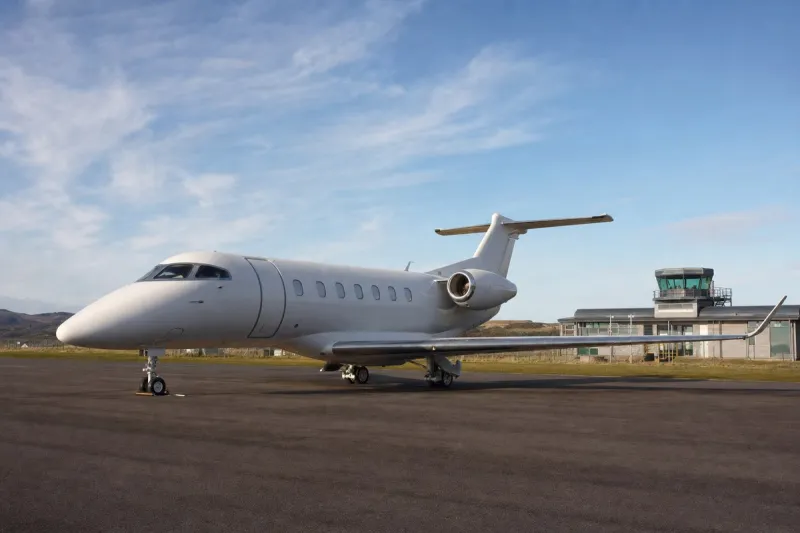
2026 Business Jet Ownership Costs: Purchase Prices, Hourly Operating Rates and Annual Budgets by Category
Why It MattersFull ownership economics hinge on utilization, since spreading fixed costs like crew, hangar and insurance over too few annual hours pushes per-hour ownership costs well above charter or fractional alternatives.
What happened
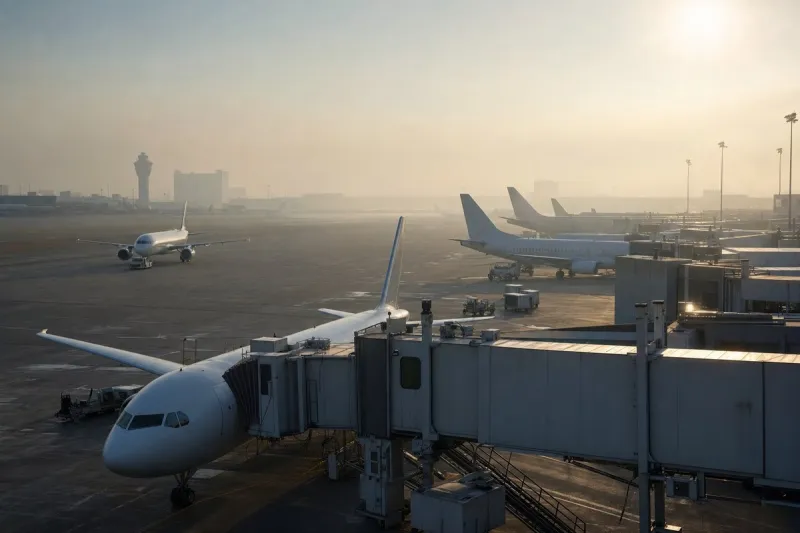
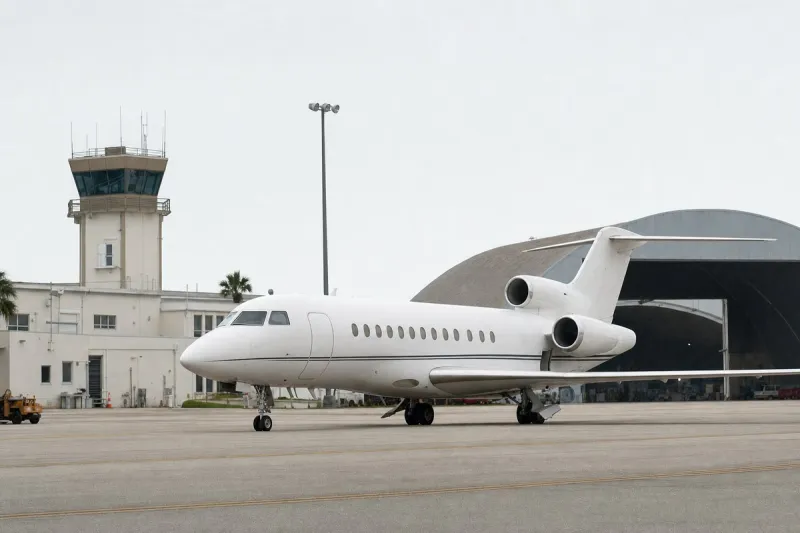
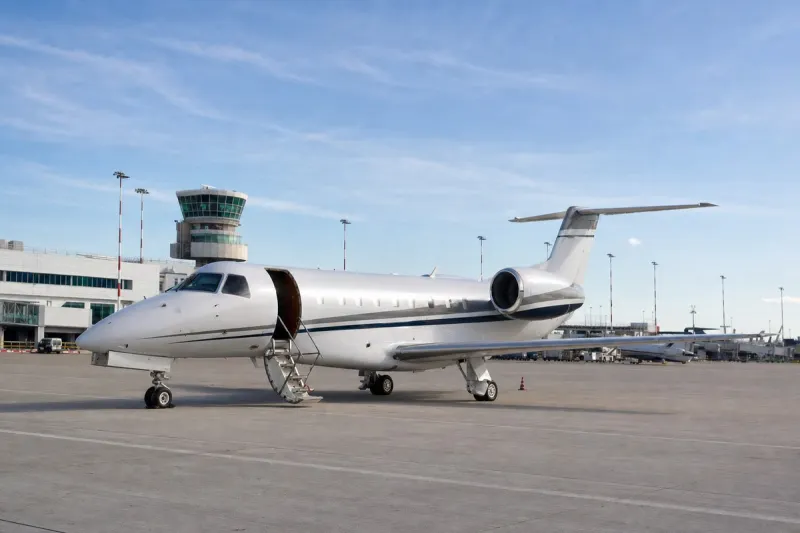
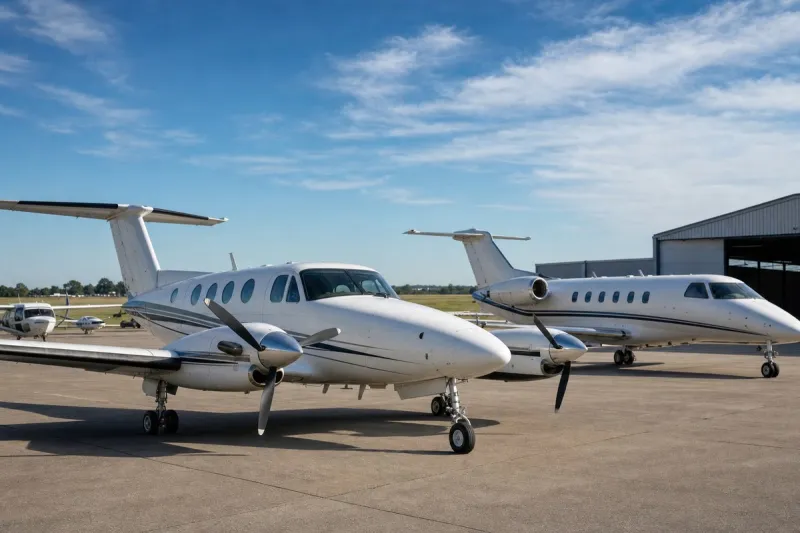
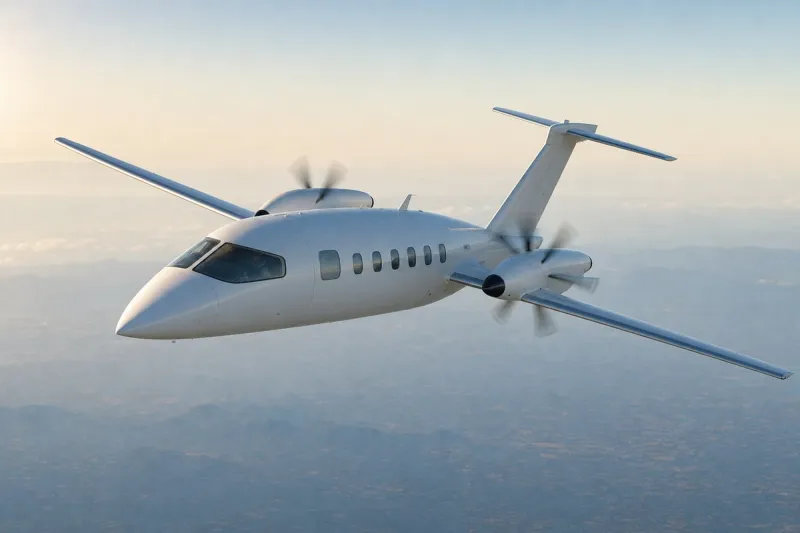
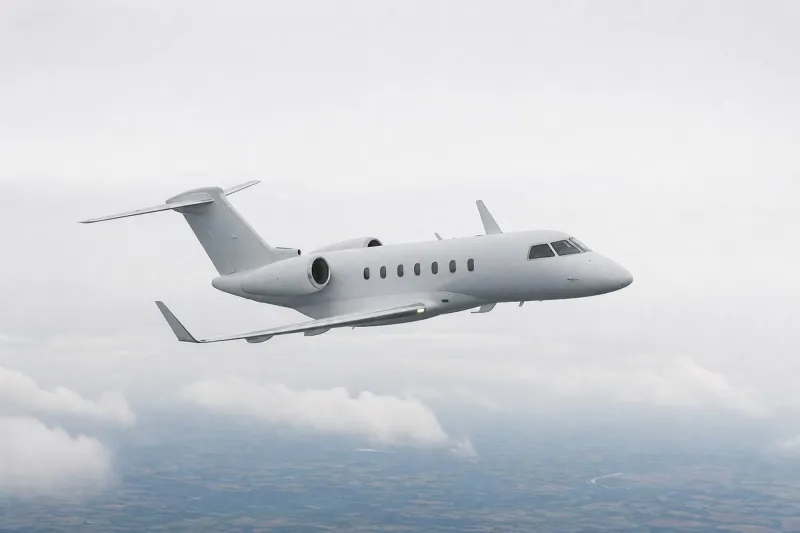
New business jet acquisition prices for 2026 range from roughly $3 million to $7 million for very light jets up to $65 million to $80 million for ultra long range jets, with light jets at $8 million to $16 million, midsize jets at $16 million to $25 million, super-midsize jets at $26 million to $38 million, and large-cabin jets at $40 million to $62 million. Pre-owned aircraft trade lower — pre-owned midsize jets range from approximately $6 million to $18 million depending on age and equipment, while pre-owned light jets start from roughly $1.5 million.
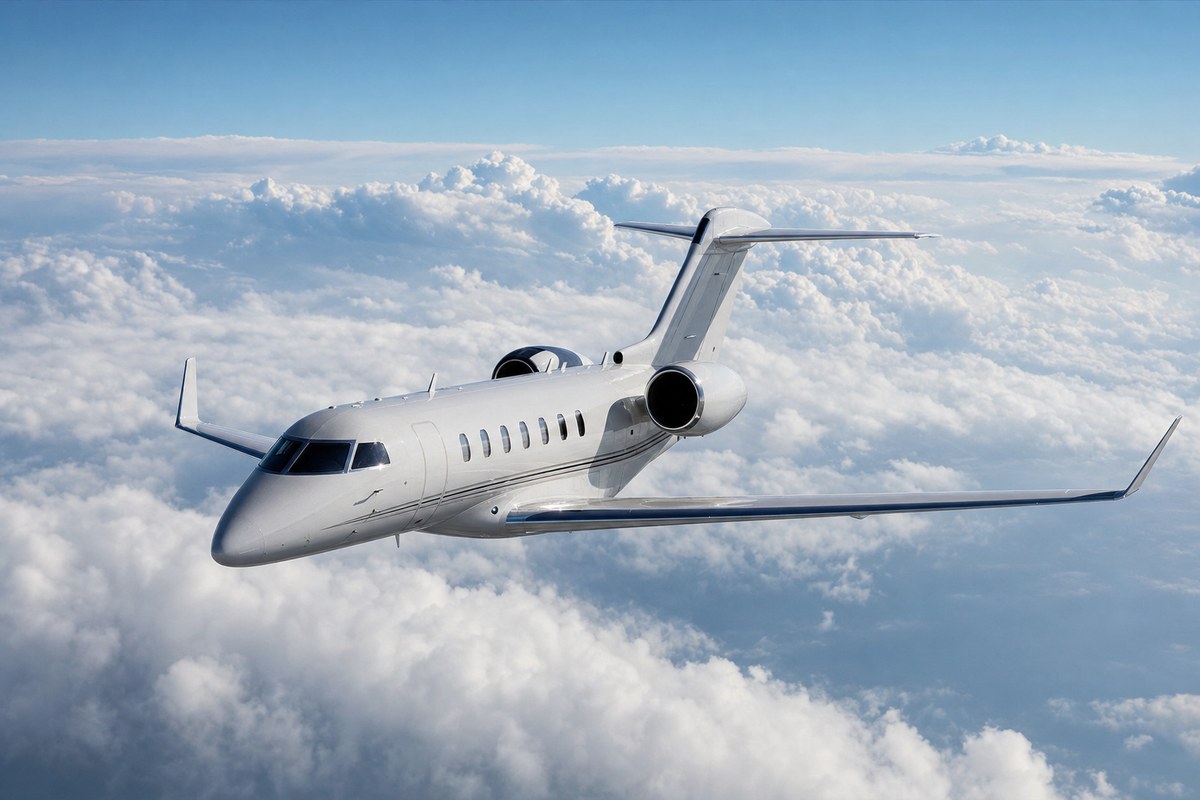
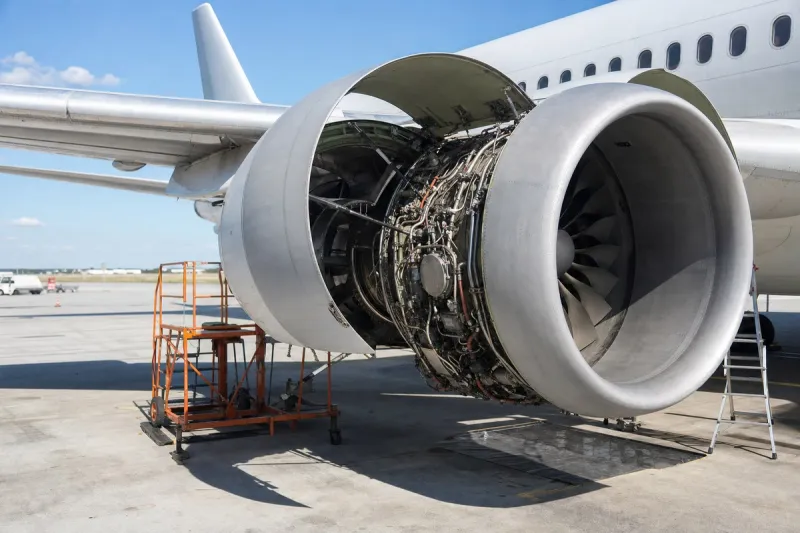
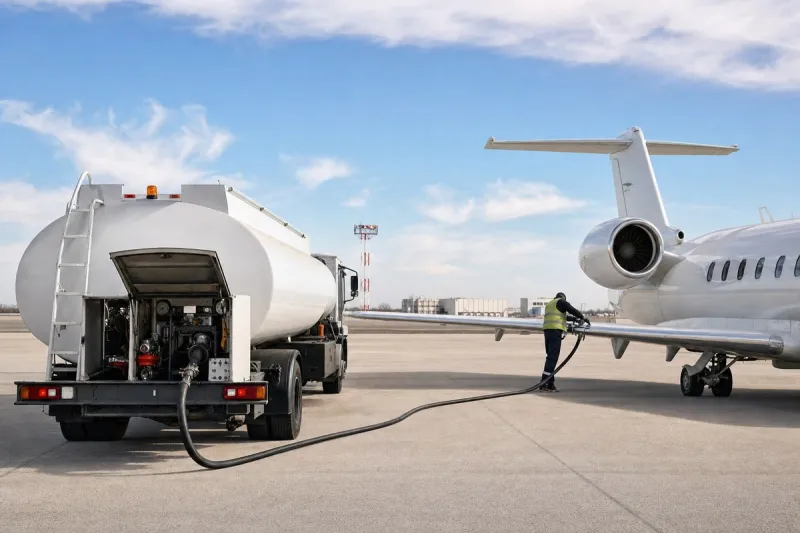
Estimated 2026 hourly operating costs are approximately $1,800 to $2,500 for very light jets, $2,800 to $4,200 for light jets, and $3,800 to $5,500 for midsize jets, with fuel typically accounting for one-quarter to one-third of hourly operating costs. Engine program fees, covering enrollment in programs such as Rolls-Royce CorporateCare, Pratt & Whitney ESP or JSSI, range from a few hundred dollars per hour on very light jets to over $1,500 per hour on large-cabin aircraft.
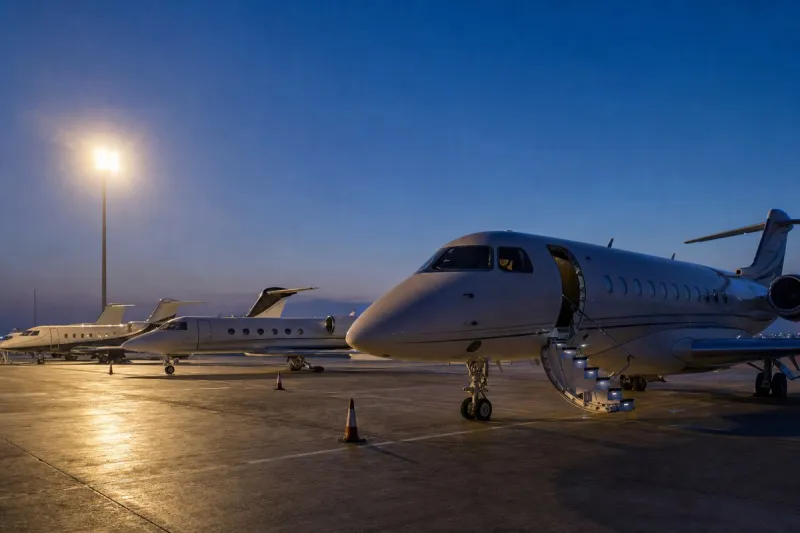
At moderate utilization of approximately 200 flight hours per year, typical total annual ownership budgets are estimated at roughly $500,000 to $900,000 for light and very light jets, $500,000 to $800,000 for midsize jets, $700,000 to $1.1 million for super-midsize jets, and generally $2 million to $6 million or more for large-cabin and ultra long range jets, reflecting higher crew requirements, larger hangar footprints and greater fuel burn.
Industry impact & what to watch
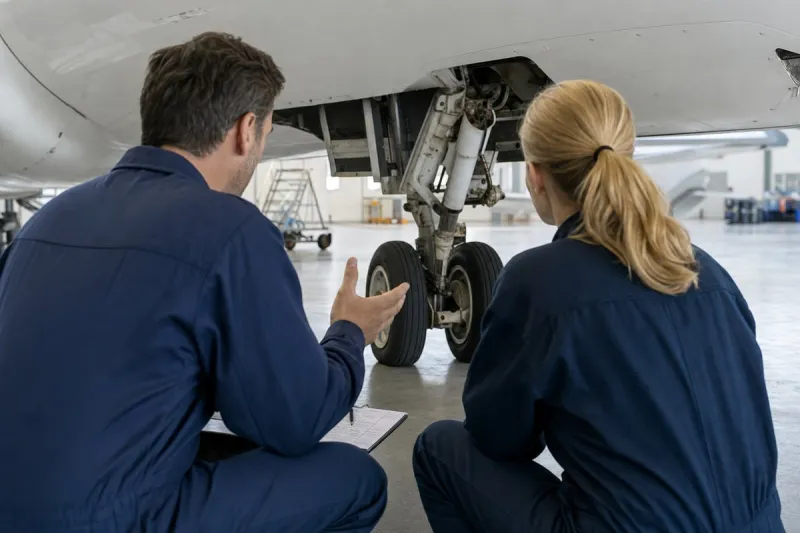
These figures illustrate a broader pattern in aircraft ownership economics: fixed costs — hangar rent, insurance, crew salaries, recurrent simulator training and management fees — accrue regardless of how much an aircraft flies, while variable hourly costs for fuel, engine programs and maintenance scale directly with usage. Industry analysis indicates that full ownership is generally most cost-effective above approximately 200 to 300 flight hours per year; below that threshold, fixed costs spread across too few hours, pushing per-hour ownership costs sharply higher relative to charter or fractional ownership alternatives.
This is why utilization, not just purchase price, determines whether ownership makes financial sense for a given flyer. An aircraft flown 400 hours annually carries a materially higher variable-cost total than the same aircraft flown 150 hours, even though its fixed costs remain nearly unchanged — meaning mission fit and expected annual hours matter as much as category choice. Engine program enrollment converts unpredictable overhaul expenses into a predictable hourly rate and supports stronger resale value, while chartering an aircraft out during personal non-use periods can offset fixed costs, though at the expense of scheduling flexibility and added management complexity.
What remains to be seen is how individual buyers weigh correct aircraft sizing against these fixed-versus-variable dynamics when actual annual hours fall near the 200-to-300-hour threshold that separates efficient ownership from a costlier alternative.