New York to Miami Private Jet Charter Costs Range From $12,000 to Over $60,000 in 2026
Why It MattersThe route shows how charter pricing on high-traffic corridors is shaped less by distance than by aircraft category, seasonal demand swings, and repositioning flows that create empty-leg discounting opportunities.
What happened
Chartering a private jet between New York and Miami in 2026 carries one-way fares ranging from approximately $12,000 to well above $60,000, depending on aircraft category, season, and operational variables. The route covers roughly 1,090 miles (1,754 km) and takes 2.5 to 3 hours by air, connecting New York's financial and corporate base with Miami's role as a hub for wealth migration, technology investment, and international trade.

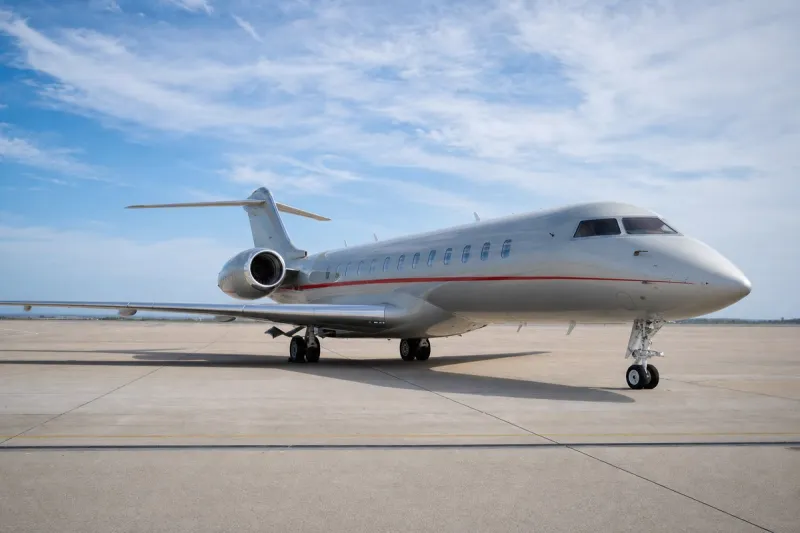
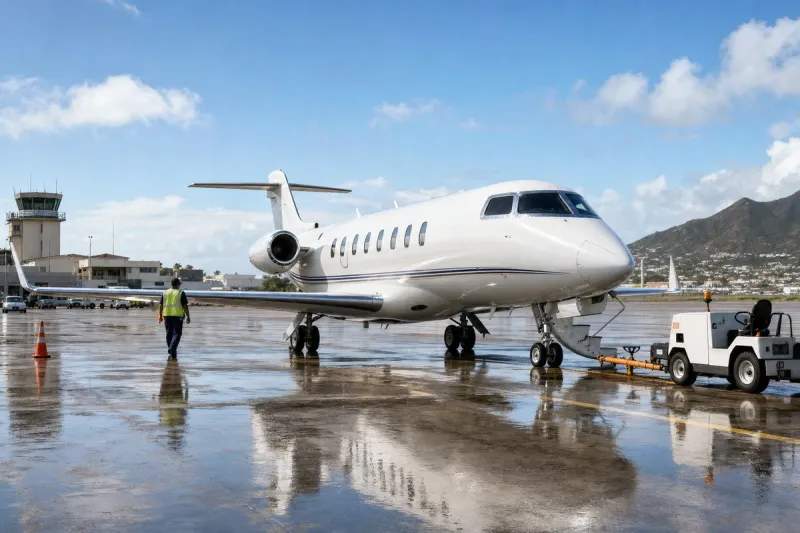
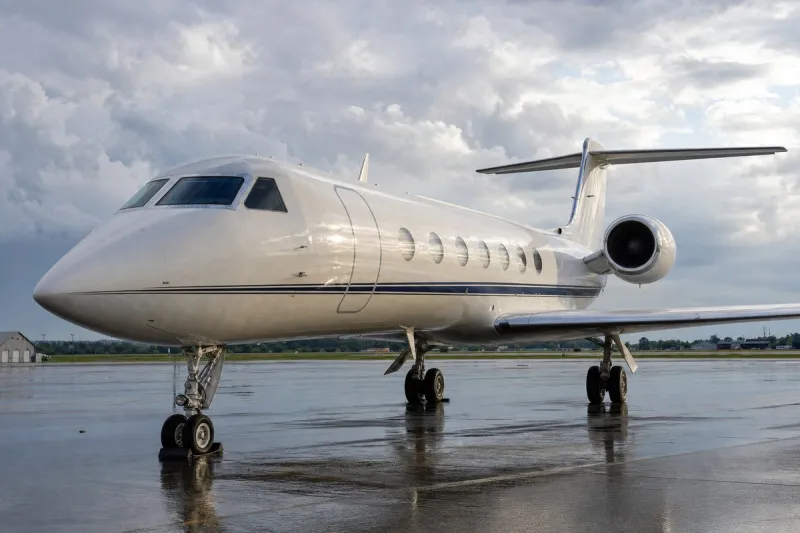
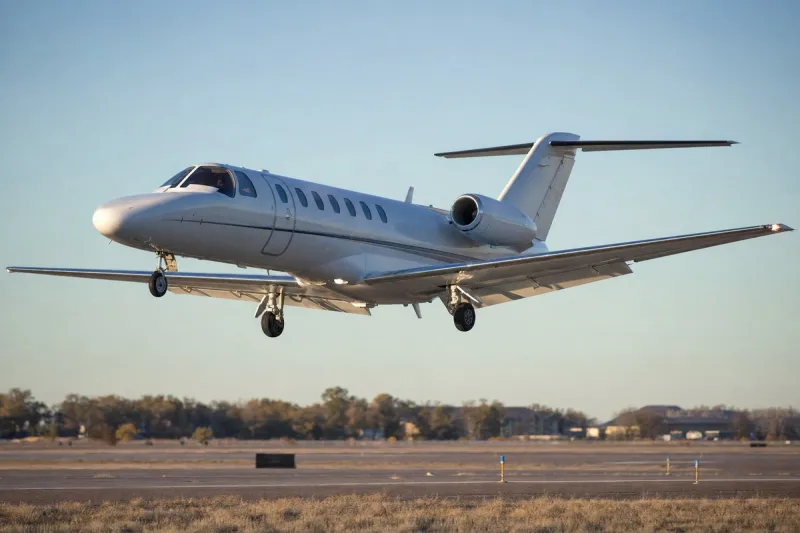
Light jets — including types in the Citation CJ series or Embraer Phenom 300 class — are the most common choice, typically priced between $12,000 and $24,000 one-way, cruising at around 430 to 460 knots and completing the trip in under three hours with lower fuel burn and reduced landing and handling costs. At the top of the market, super-midsize and heavy jets such as aircraft in the Bombardier Challenger series or Gulfstream G450 class generally command $35,000 to $60,000 or more per one-way leg, offering stand-up cabins, higher pressurization comfort, greater baggage capacity, and often a dedicated flight attendant and catering. Base hourly rates sit near $6,000, but final invoices typically rise due to landing fees, ramp handling charges, winter de-icing, crew overnight accommodation, and airport congestion surcharges.
Most private flights from New York depart from Teterboro Airport (TEB) in New Jersey rather than JFK or LaGuardia, which face slot restrictions and commercial traffic congestion. On the Miami end, operators similarly favor general aviation facilities to avoid Miami International Airport (MIA) and provide faster access to Miami Beach, Palm Beach, and surrounding destinations. Between December and March, southbound demand surges as high-net-worth individuals, executives, and seasonal residents relocate temporarily to South Florida, with peak-week rates rising by approximately 20 to 40 percent compared with off-peak periods. Events including Art Basel Miami Beach, the Miami Grand Prix, and the Miami Open create additional short-duration demand spikes, with last-minute bookings commanding the steepest premiums.
Empty legs and ownership alternatives
Empty-leg flights offer the most significant discounts on this corridor. Because the New York–Miami route generates a constant north–south flow of repositioning aircraft, empty-leg availability is relatively frequent, with discounts ranging from 25 to 75 percent off standard charter rates and some one-way empty-leg flights falling below $10,000. These opportunities are released with little notice and typically require passengers to commit within hours to fixed departure windows.
For travelers who fly frequently but prefer to avoid full ownership, charter, jet card programs, and fractional ownership through providers such as NetJets, Flexjet, and VistaJet are widely used alternatives. Outright ownership of a midsize business jet carries upfront costs ranging from roughly $3 million to $8 million for older models and $10 million to $20 million or more for newer aircraft, plus annual fixed operating expenses that commonly exceed $1 million regardless of usage.
Industry impact & what to watch
This corridor illustrates how charter pricing on a dense, short-haul business route is driven as much by aircraft class and timing as by distance. A 2.5-to-3-hour flight can cost five times as much depending on whether a buyer books a light jet in the off-season or a heavy jet during a peak event week, which keeps the segment's pricing opaque to infrequent flyers.
The pattern also shows why repositioning flows matter to charter economics: a route with constant north-south traffic generates empty-leg inventory that can undercut standard rates by wide margins, but only for buyers able to commit on short notice to fixed windows. That trade-off between price and flexibility is a structural feature of charter markets built around high-volume corridors rather than a quirk of this particular route.
Seasonal and event-driven demand spikes around fixtures like Art Basel, the Miami Grand Prix, and the Miami Open give a sense of when rate pressure will next build, offering a signal for operators and buyers alike about timing bookings around the December-to-March relocation season versus shoulder periods.