Trump Threatens Bombardier Sales Ban, Putting Hundreds of Connecticut Jobs at Risk
Why It MattersA single company-specific trade restriction can ripple through a wide network of subcontractors, showing how tightly aerospace supply chains bind local economies to decisions made far from the factory floor.
What happened
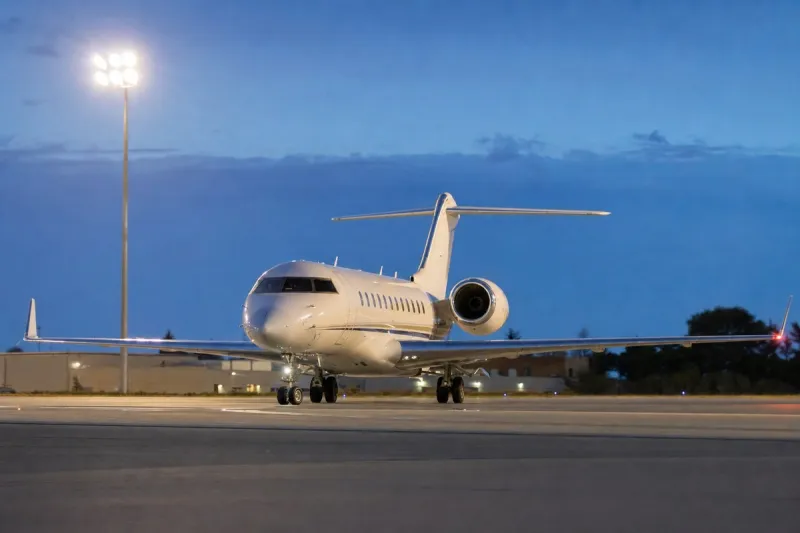
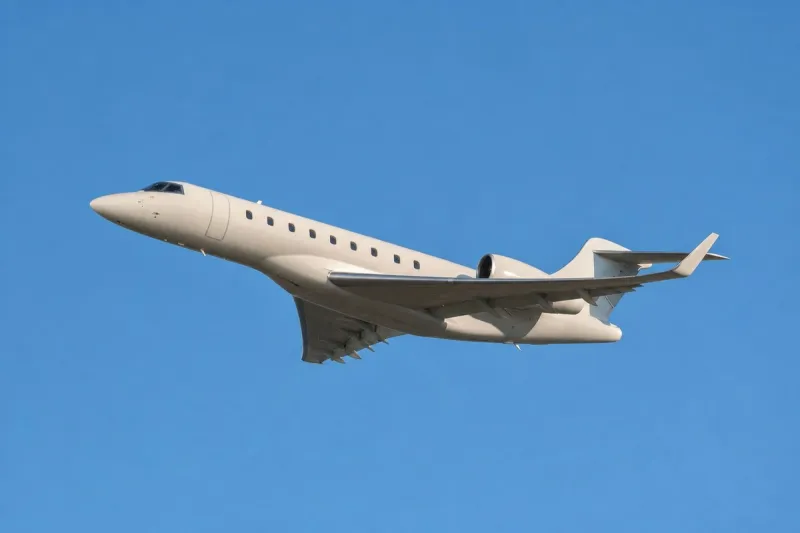
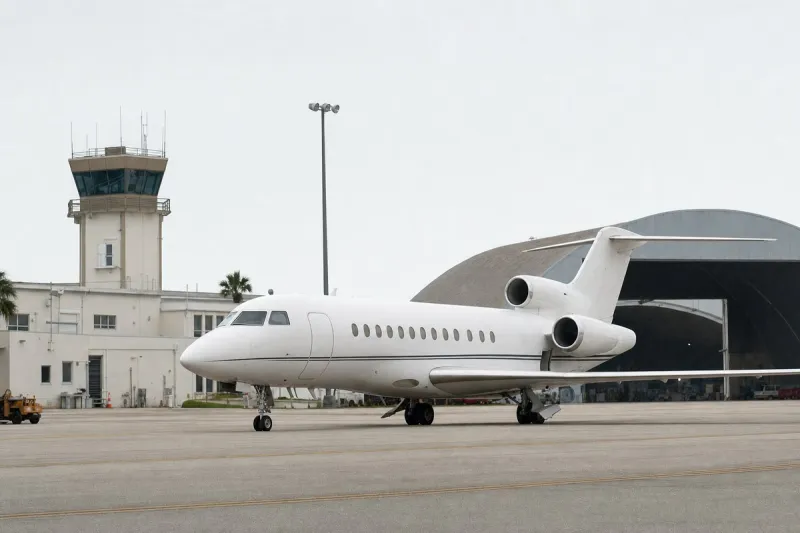
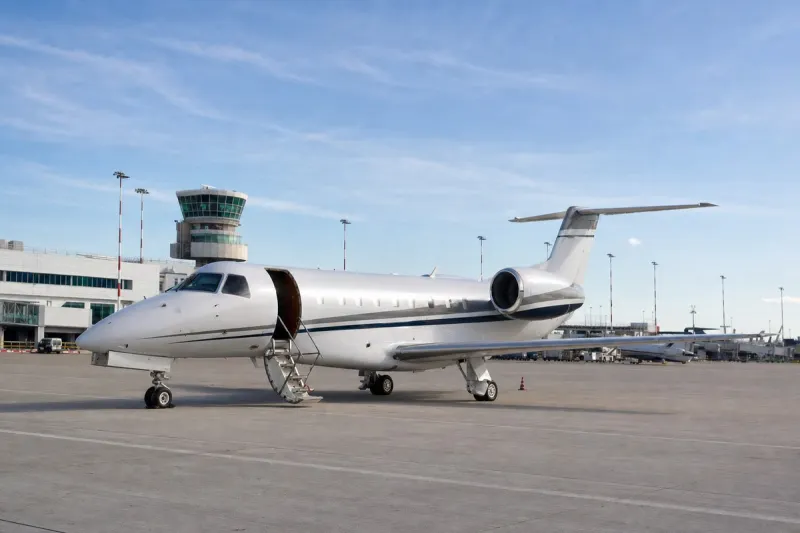
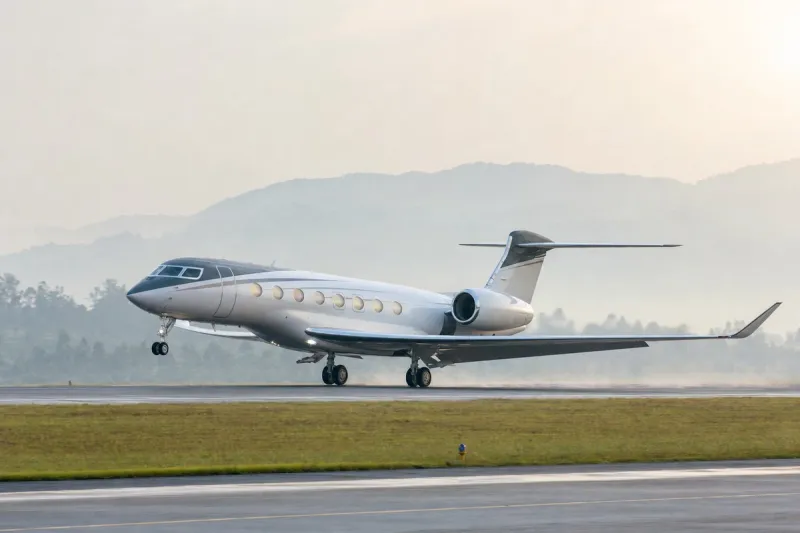
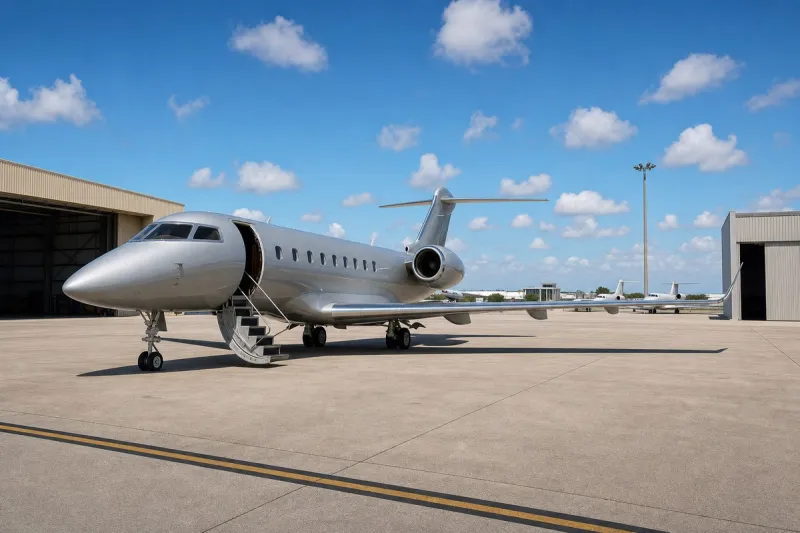
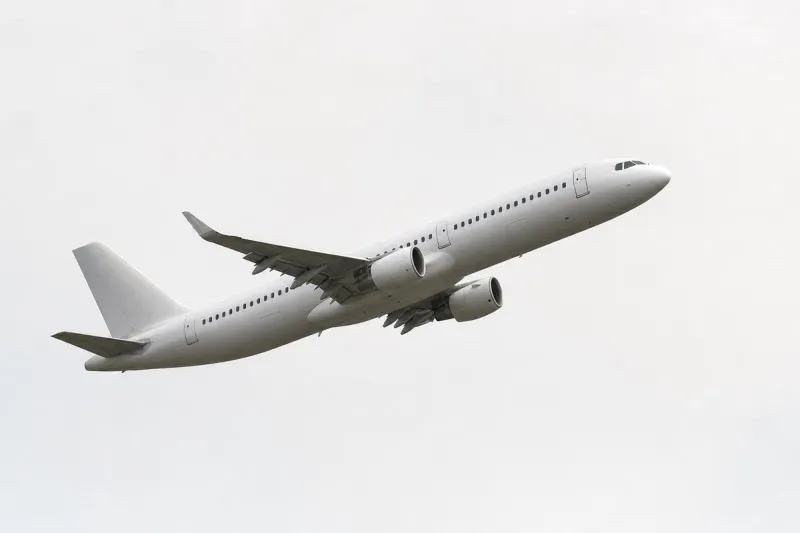
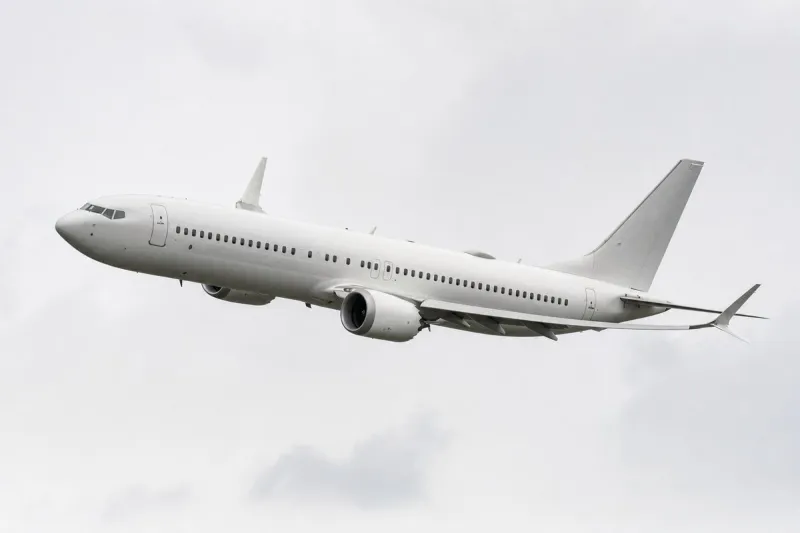
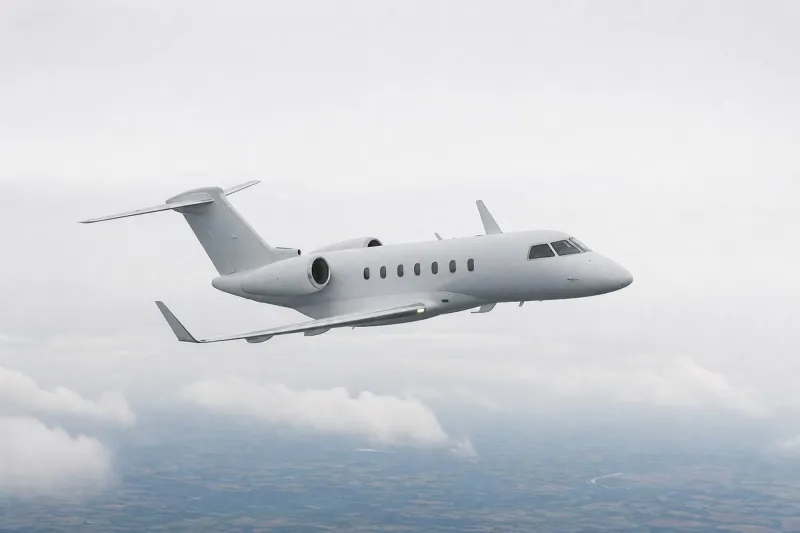
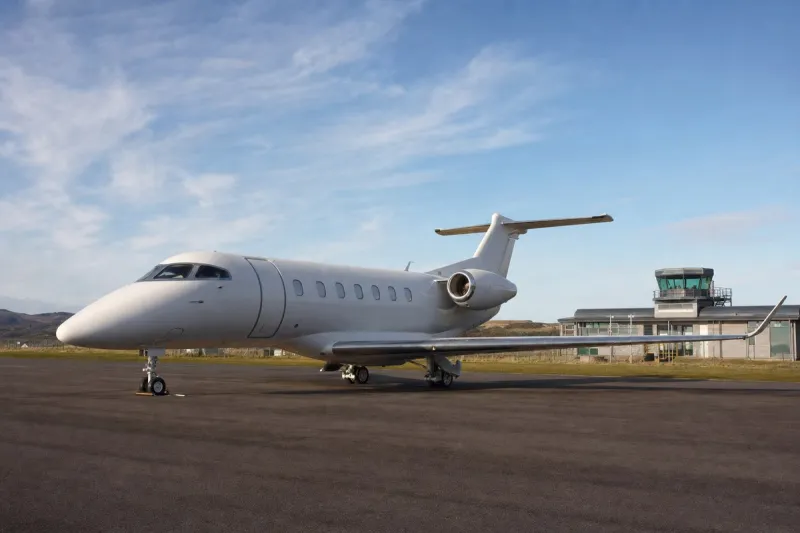
President Donald Trump called for a ban on U.S. sales by Montreal-based Bombardier on Labor Day, shortly before new Canadian retaliatory tariffs were set to take effect. In a post on Truth Social, Trump argued that Bombardier should not be permitted to sell jets in the United States unless it moves its manufacturing operations to American soil.

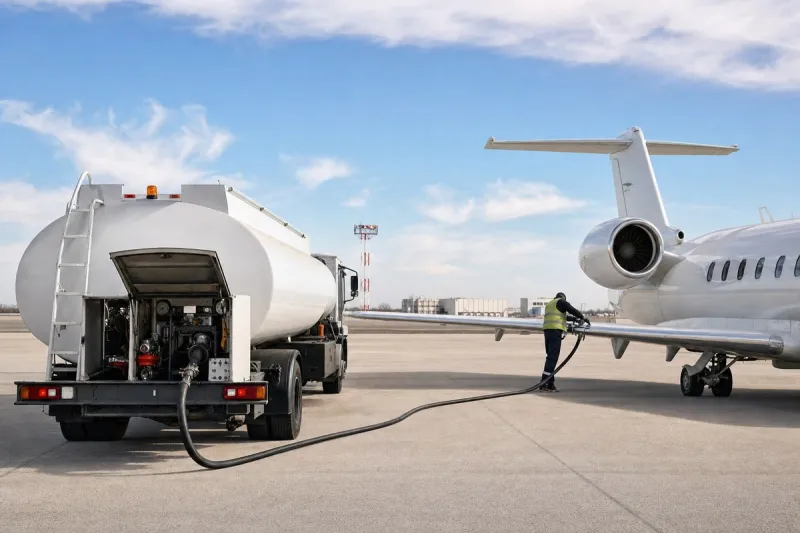
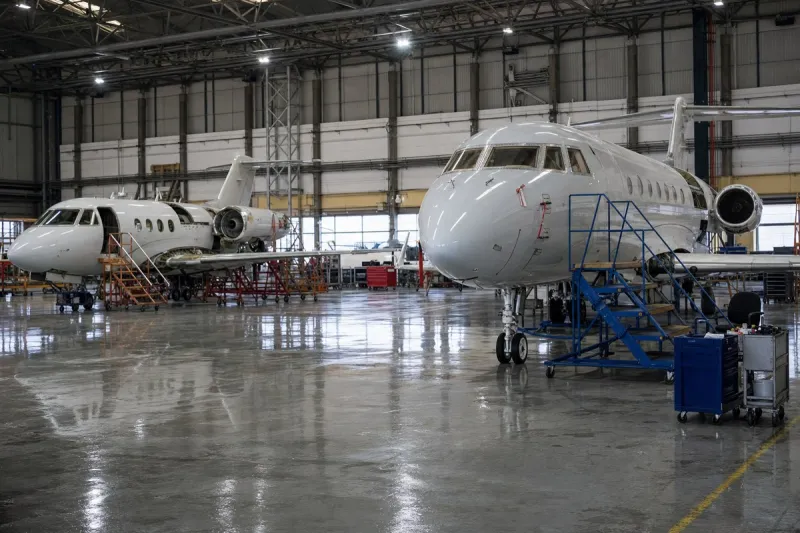
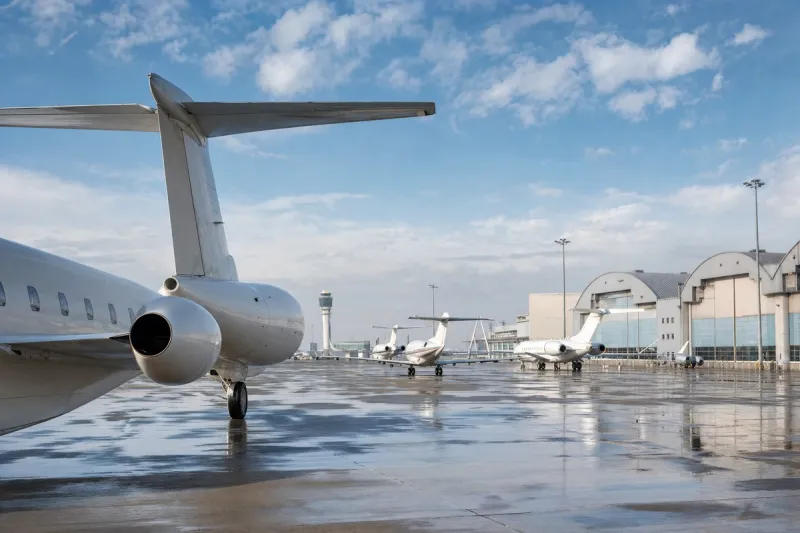
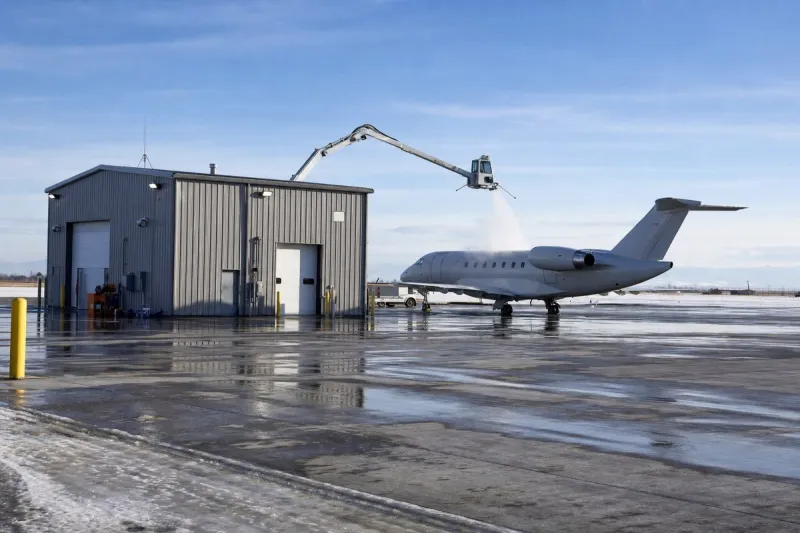
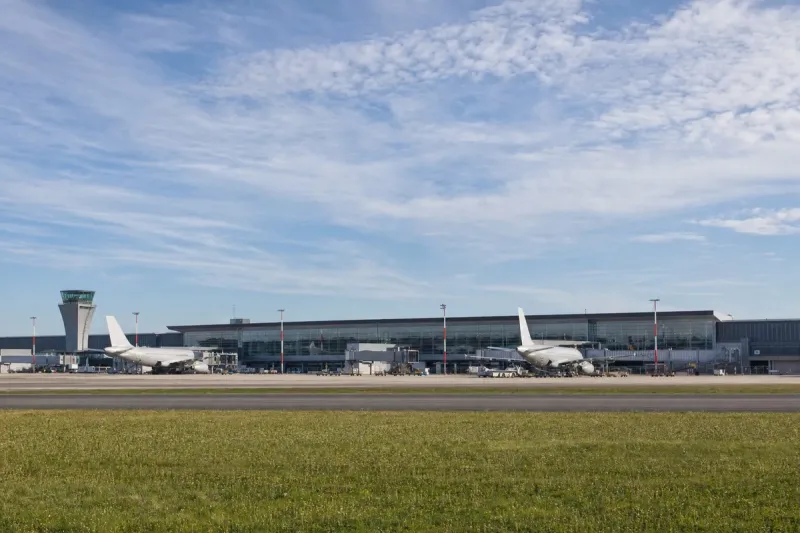
Bombardier pushed back, stating that it already supports tens of thousands of U.S. jobs through its American operations and a supply chain spanning approximately 2,800 U.S. companies across 47 states. In Connecticut specifically, the company supports close to 300 jobs, many of them at its Bradley International Airport service center — a 140,000-square-foot facility offering aircraft inspections, repairs, and technical support for Bombardier jets operating on the East Coast.
Connecticut business groups described Bombardier as a valued partner. Tommy Hyde, chief of staff for AdvanceCT, said the organization is glad to support the company. Dustin Nord, director of the Connecticut Business and Industry Association's Foundation for Economic Growth and Opportunity, warned that a company-specific restriction on Bombardier could have a broader impact on subcontractors who work across multiple companies.
Bombardier has deepened its Connecticut presence in recent months. In May, it launched its FastTrack technician training program in Hartford in collaboration with AdvanceCT and CT Aero Tech, part of the Connecticut Technical Education and Career System (CTECS), which provides facility space for the program.
A history of federal scrutiny
During Trump's first term in 2017, Boeing filed a trade complaint alleging Bombardier was selling commercial aircraft below market prices, prompting the administration to propose a roughly 300% tariff on Bombardier jets. At the time, Connecticut-based Pratt & Whitney was building engines for Bombardier's CSeries aircraft under an agreement announced in 2007, and Connecticut's congressional delegation — including Rep. John Larson, Sen. Richard Blumenthal, and Sen. Chris Murphy — sent a letter urging the Commerce Department to act on the company's behalf.
Blumenthal again expressed concern, calling Trump's threat "one more example of his self-centered scattershot approach to trade relations with Canada" and noting Bombardier's importance to Connecticut's aviation and defense sector.
Industry impact & what to watch
This case sits inside a familiar pattern of trade friction between Washington and foreign aircraft manufacturers, where a single presidential statement can put a state's supply chain in question before any formal policy process begins. Aerospace manufacturing supply chains are structured so that one company's contracts and facilities touch hundreds of smaller subcontractors, which is why Nord's warning about subcontractors working across multiple companies matters more than the headline jobs figure at Bombardier itself.
Connecticut's exposure is not incidental: the state has ranked first nationally in concentration of aerospace and defense manufacturing jobs, and aerospace products and parts accounted for 33% of the state's exports in the early 2020s, which is why a threat aimed at one manufacturer draws in the state's congressional delegation and business associations rather than staying a company-level dispute.
Whether this follows the 2017 precedent — a proposed tariff that was ultimately not enacted after international arbitration — or produces an actual sales restriction will depend on whether Trump's Truth Social post is followed by a formal trade action through the Commerce Department or U.S. Trade Representative. The Connecticut delegation's response, and whether Bombardier's supply-chain figures become part of any formal review, are the next signals worth watching.