DOT Rule Expands List of Flight Disruptions Not Considered Airlines' Fault, Reducing Compensation Obligations
Why It MattersShifting more disruption categories into the uncontrollable-events bucket narrows the scope of consumer compensation across the industry while regulatory deregulation trends continue to redraw where airline liability begins and ends.
What happened
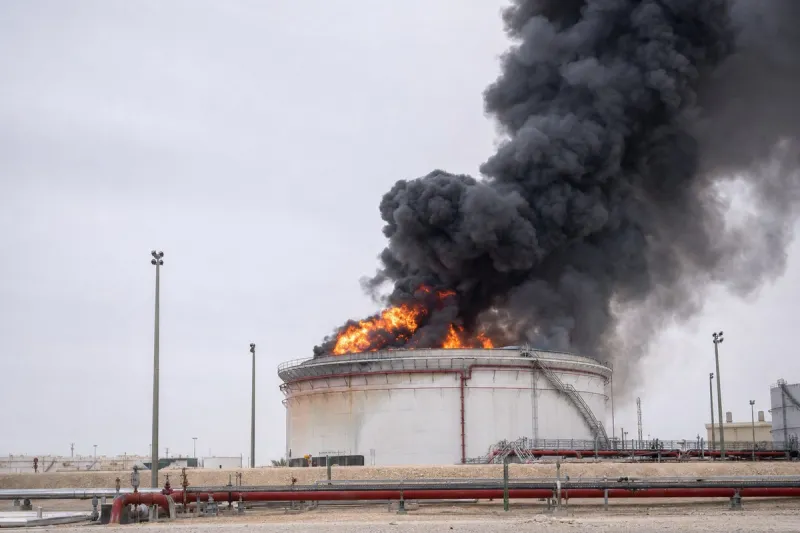
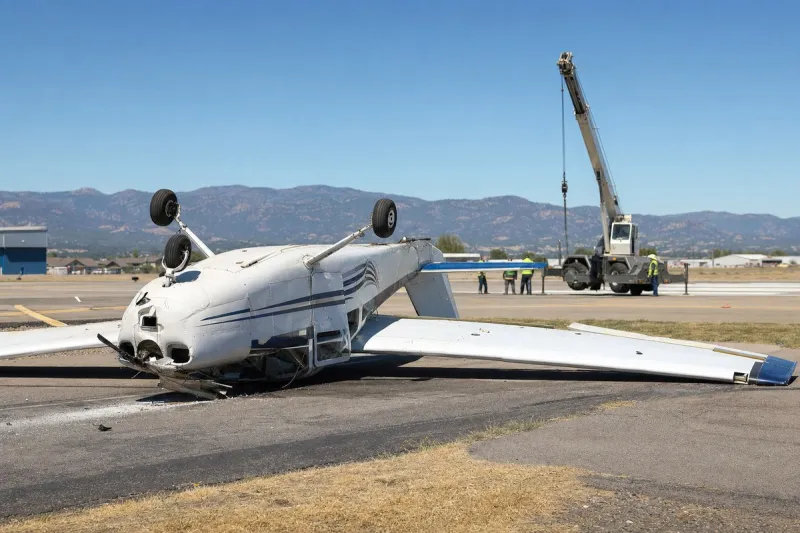
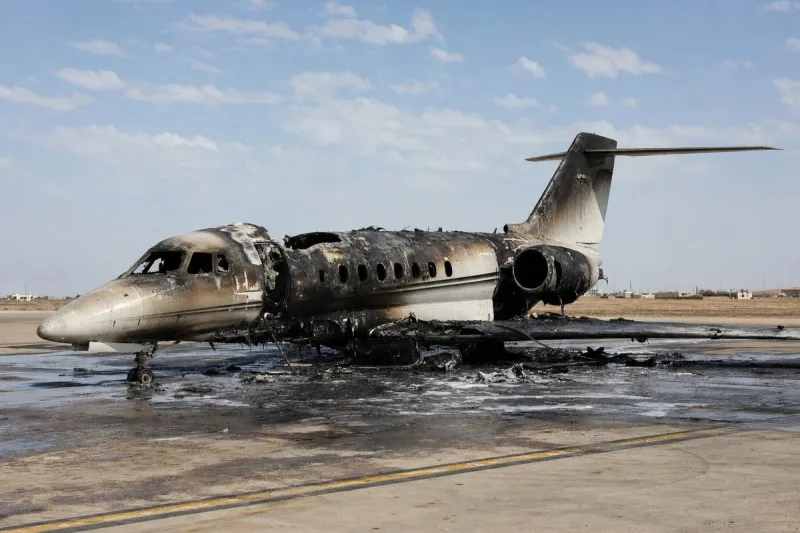
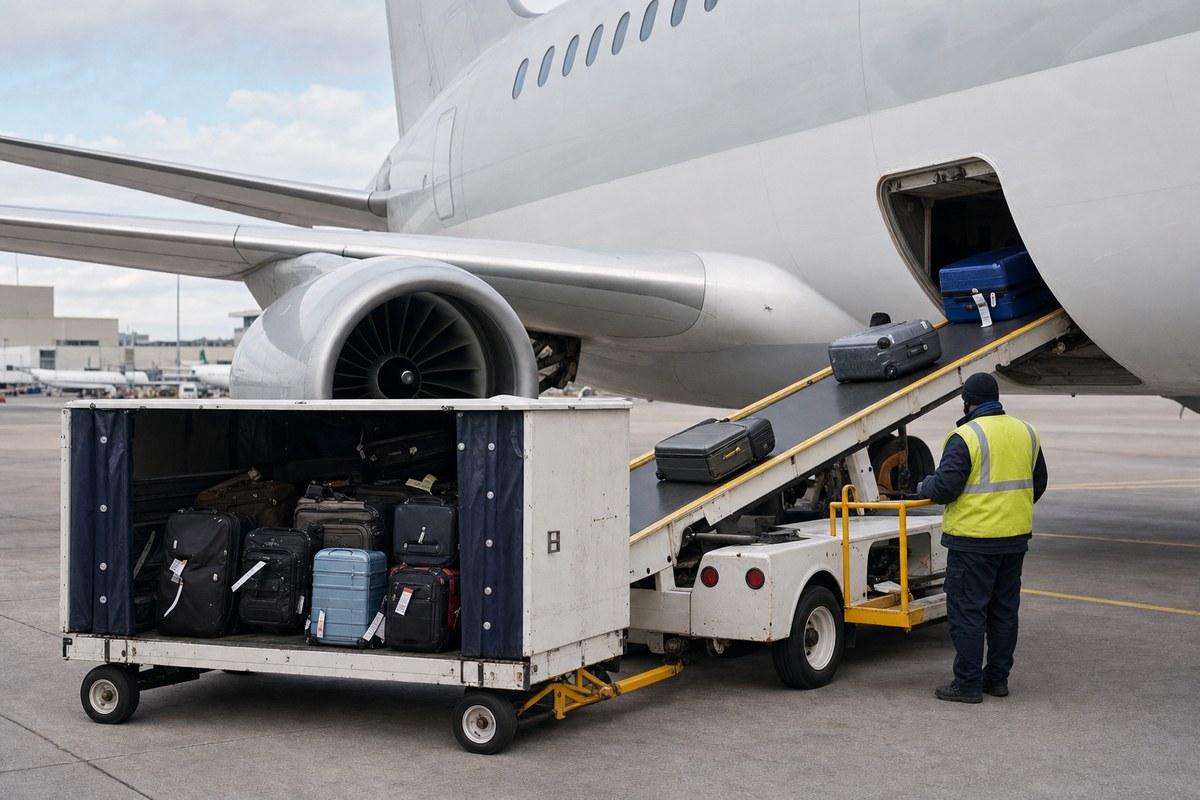
The U.S. Department of Transportation has issued a new rule expanding the category of flight delays and cancellations that are not considered an airline's fault, reducing carriers' obligations to compensate affected passengers. The rule enumerates 10 events now deemed outside an airline's control, including aircraft cleaning necessitated by the death of a passenger, aircraft damage from extreme weather, foreign object debris or sabotage, baggage or cargo loading delays caused by outages of bag systems not controlled by a carrier, cybersecurity attacks where the carrier complies with applicable cybersecurity regulations, shutdowns or system failures of government systems that directly and unexpectedly affect safe flight operations, and overheated brakes due to a safety-related condition.
The DOT acknowledged the rule change is expected to reduce the total value of amenities and compensation airlines currently provide to consumers, though it could not estimate the amount. The agency characterized the reduction as "a transfer of value from consumers back to air carriers, rather than a cost to consumers or a benefit to air carriers." Aviation analyst Gary Leff of View From the Wing noted that these exclusions were mandated by an act of Congress passed during the Biden administration, even as the change aligns with the current administration's deregulatory stance.
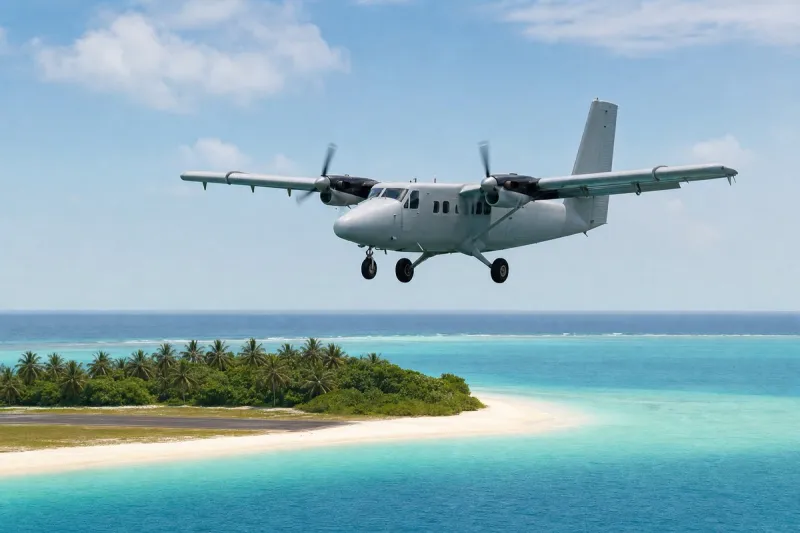
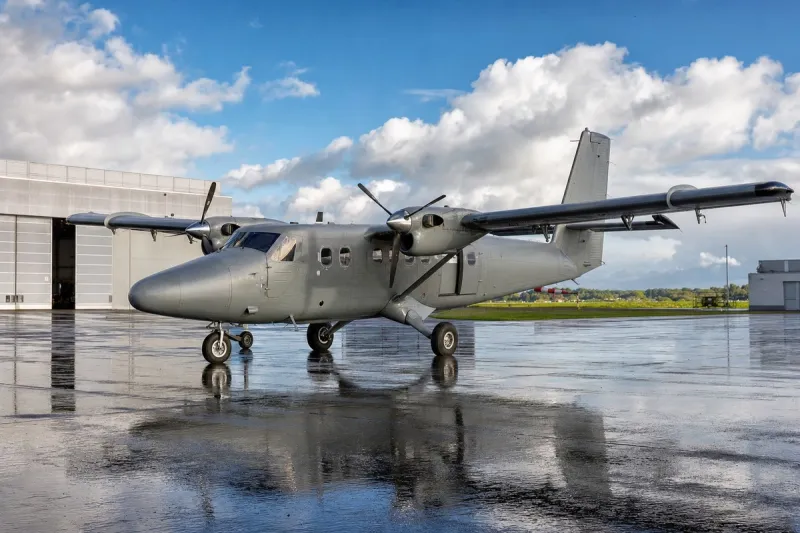
Separately, public charter operator JSX announced plans to launch ATR 42-600 turboprop service to the Bay Area from Santa Monica, with three daily round trips (two on Saturdays) and one-way fares starting at $149, including Starlink Wi-Fi, two checked bags, and onboard cocktails; the 30-passenger aircraft features a 1x2 seating configuration with business-class legroom. The TSA launched Gateside by TSA PreCheck, letting PreCheck members and Known Traveler Number holders access secure terminal areas without a boarding pass by applying online one to three days in advance. World of Hyatt is ending its AAdvantage partnership with American Airlines and starting an exclusive collaboration with Delta SkyMiles, introducing a "Dual Earn" benefit for elite members of both programs; AAdvantage members who link their account with World of Hyatt by November 15 may continue earning Hyatt awards through Loyalty Point Rewards until February 28, 2027. Google Flights expanded its AI Mode features to include airfare price tracking and searching for flight and hotel costs using loyalty points or miles, announced in a company blog post on August 27.
Industry impact & what to watch
Redefining what counts as within an airline's control is one of the main levers regulators and carriers use to set the actual size of compensation obligations, since the dollar exposure tied to any given disruption category depends entirely on which bucket it falls into. Passenger-protection rules generally work by drawing a line between controllable and uncontrollable events, and every event added to the uncontrollable side reduces the amounts airlines must pay out for delays and cancellations that land there.
The DOT's own framing, that this is a transfer of value between consumers and carriers rather than a net cost or benefit, signals that the dollar effect is real even if unquantified, and it will show up in how airlines handle claims for the newly listed categories such as cyberattacks and government system failures. Because Congress mandated these exclusions before the current administration took its deregulatory posture, the rule's durability may depend less on political change and more on whether the statutory basis holds up to scrutiny.
What remains to be seen is how airlines apply the cybersecurity-compliance condition in practice, since compensation relief there depends on carriers demonstrating they met applicable regulations at the time of an attack, a standard that has not yet been tested against a real incident.