Warburg Pincus and Berkshire Partners agree $11.75bn sale of CPP to GE Aerospace
Why It MattersAerospace supply-chain consolidation is pushing OEMs to buy critical castings capacity outright, betting that integration into standardized manufacturing systems can offset near-term multiple expansion in a tight components market.
What happened
Warburg Pincus and Berkshire Partners have agreed to sell Consolidated Precision Products (CPP), an aerospace components manufacturer, to GE Aerospace for $11.75 billion. CPP, headquartered in Cleveland, Ohio, manufactures highly engineered castings and sub-assemblies for the commercial aerospace and defence sectors, and has supplied GE Aerospace for more than 15 years.
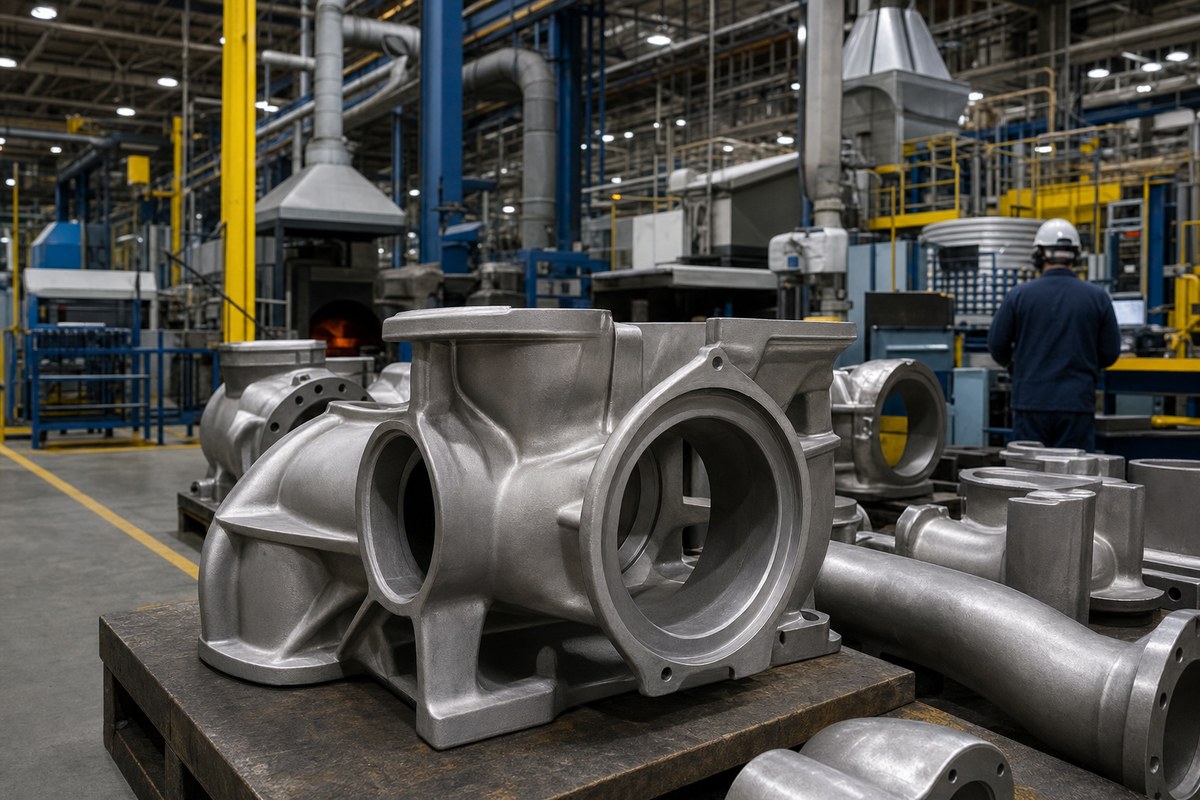
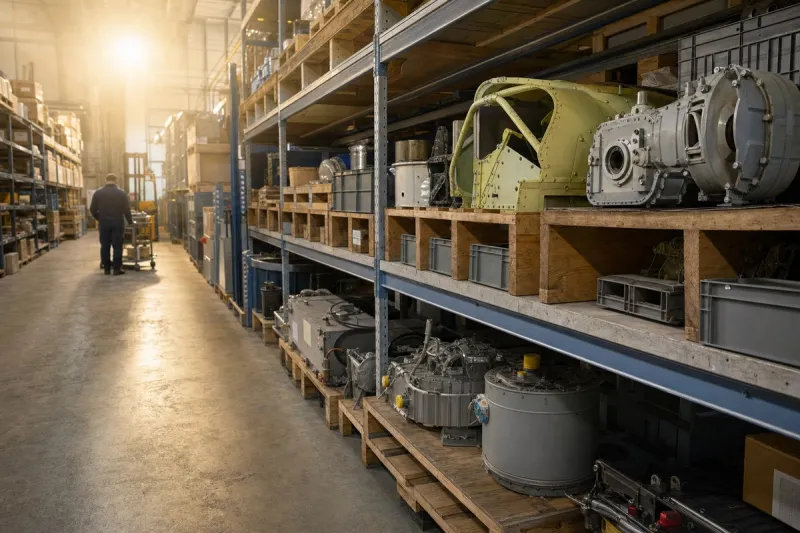
CPP employs around 6,600 people across more than 20 facilities. Founded in 1991, the company produces castings from super alloys, titanium, aluminium, magnesium and steel for applications including commercial and military aircraft, weapon systems, business jets, helicopters and industrial gas turbines.
The transaction values CPP at approximately 18 times expected 2027 EBITDA when anticipated synergies are included, rising to around 26 times EBITDA on a standalone basis. GE Aerospace will fund the acquisition with $7 billion in cash, with the remainder financed through new debt. The aerospace group expects the deal to contribute positively to adjusted earnings per share and free cash flow in its first year of ownership. Closing is expected in the second half of 2027.
Warburg Pincus managing director Dan Zamlong said the sponsors had transformed CPP into a leading precision casting business through investments made alongside management. Berkshire Partners managing director Blake Gottesman said the firms had strengthened CPP's position in the castings market during their ownership. Berkshire Partners is investing from its $7.8 billion eleventh private equity fund.
Terms of the deal
The valuation gap between the synergy-adjusted 18 times EBITDA and the standalone 26 times figure signals how much of the price GE Aerospace is attributing to integration benefits rather than CPP's existing earnings power. Financing splits roughly $7 billion cash against new debt, a structure GE frames as accretive to adjusted earnings per share and free cash flow from year one.
GE Aerospace plans to integrate CPP using its Flight Deck operating system, aiming to raise manufacturing capacity and speed development and production of new engine technologies.
Industry impact & what to watch
This sale sits at the intersection of two forces reshaping aerospace supply chains: private equity firms harvesting returns from long-held industrial platforms, and OEMs moving to own critical casting capacity rather than simply sourcing from it. A supplier relationship spanning more than 15 years evidently gave GE Aerospace enough visibility into CPP's operations to justify a double-digit EBITDA multiple even before synergies are counted.
Castings and forgings have been a persistent bottleneck across commercial engine and airframe production, so vertical integration of a multi-site, multi-alloy supplier like CPP is a direct bet on capacity as the constraint, not demand. How GE Aerospace's Flight Deck system performs against CPP's existing operations across more than 20 facilities will determine whether the projected capacity gains materialize on the timeline implied by the deal's earnings assumptions.
The next milestone is closing, expected in the second half of 2027, which will show whether financing terms and integration planning hold as the deal moves through regulatory review over an unusually long runway for a transaction of this size.