UK CAA Selects Three Projects for New Hydrogen Aviation Challenge Round
Why It MattersThe selections signal regulators are moving to build safety and infrastructure frameworks for hydrogen propulsion before aircraft reach commercial service, shaping how airports and manufacturers prepare.
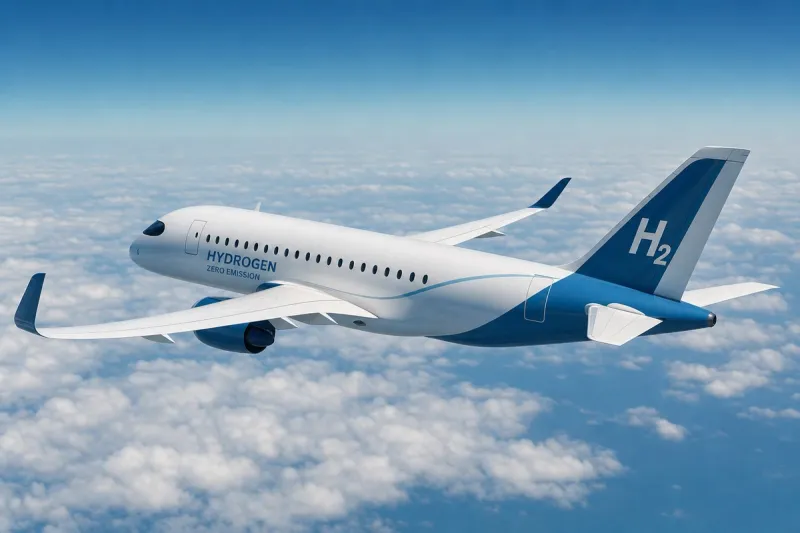
The UK Civil Aviation Authority (CAA) has chosen three projects for the newest round of its Hydrogen Aviation Challenge: one led by Beyond Aero, London City Airport and the University of East London; one from DreamerBoy Technologies; and one from Saxon Air. The CAA will work with each participant to examine safety risks, regulatory requirements and potential gaps in introducing hydrogen into aviation.
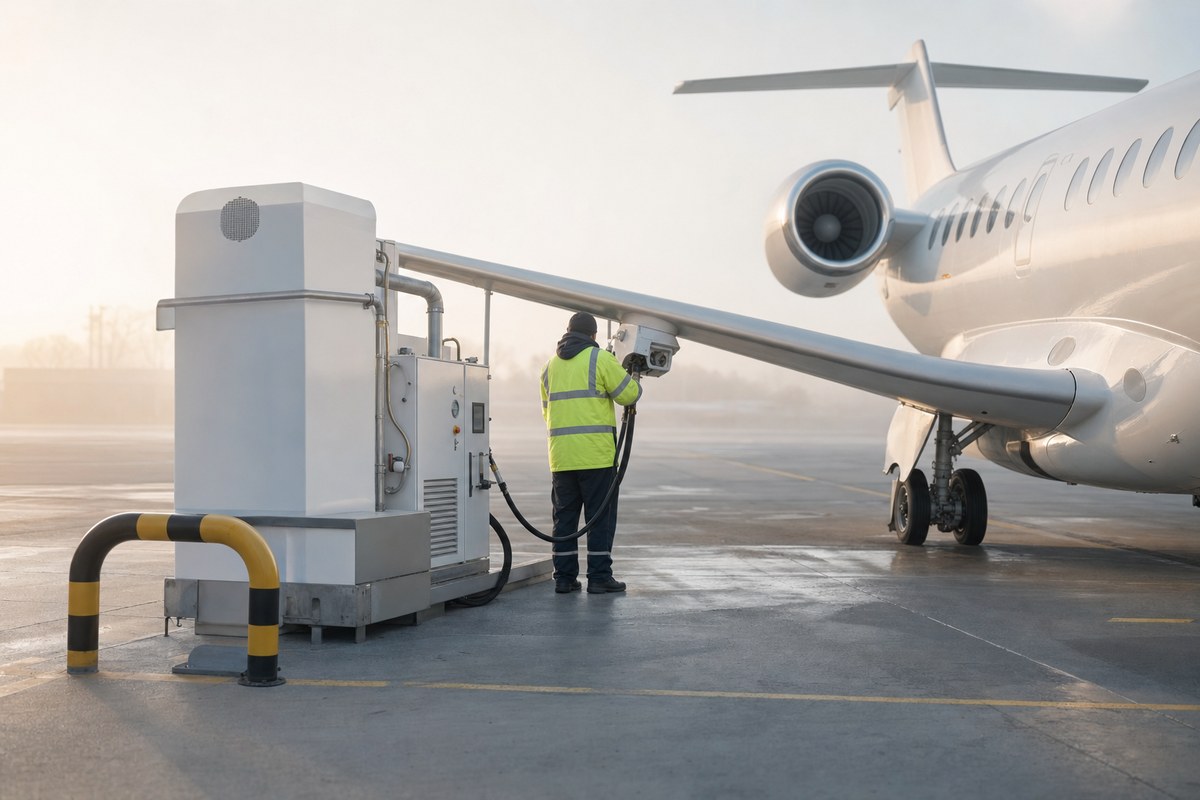
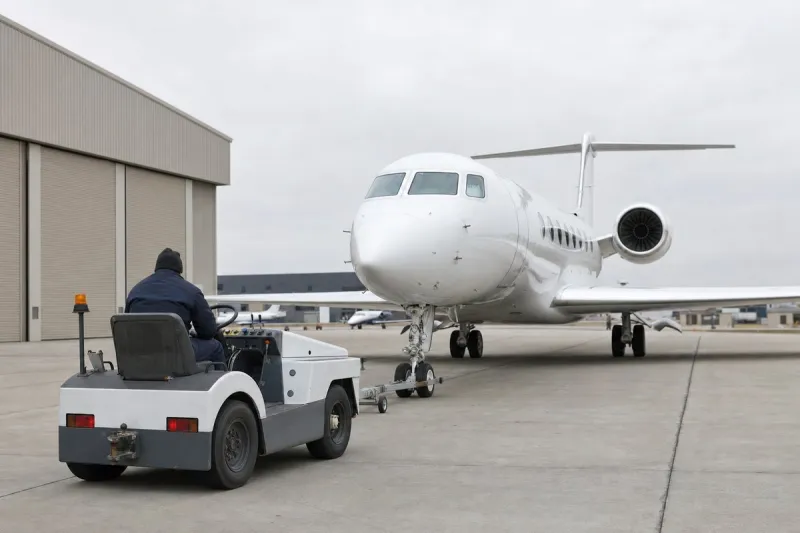
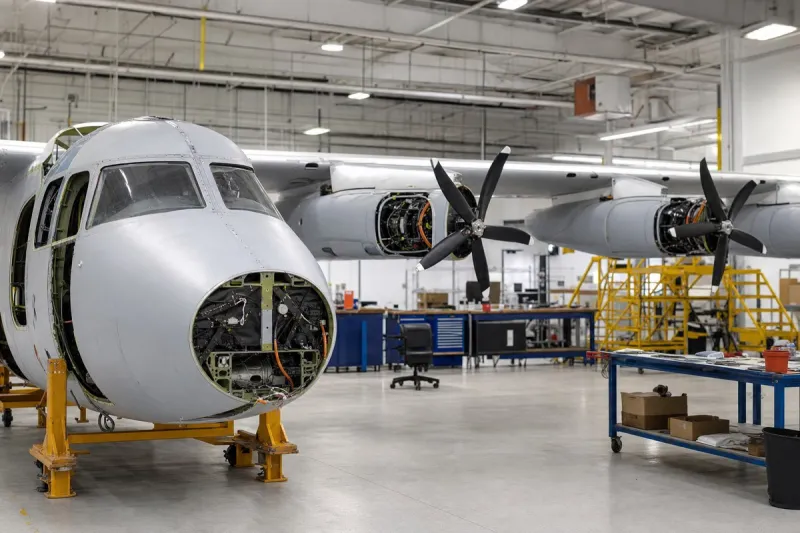
The Beyond Aero-led project will study how hydrogen-electric aircraft might affect turnaround operations at a busy airport, alongside the skills and educational needs the technology would demand. Beyond Aero is developing an aircraft architecture built around hydrogen-electric propulsion, including fuel-cell systems, gaseous hydrogen tanks and cooling technology. DreamerBoy Technologies will use the programme to develop and test NOVAE+, a cryogenic compressed hydrogen storage system designed to hold hydrogen at very low temperatures and high pressure while boosting volumetric capacity and limiting boil-off losses, generating safety and regulatory data through the process.
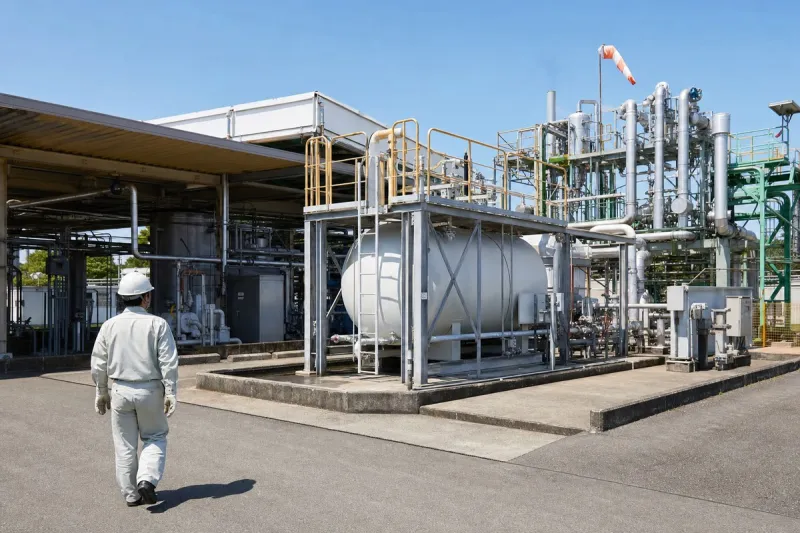
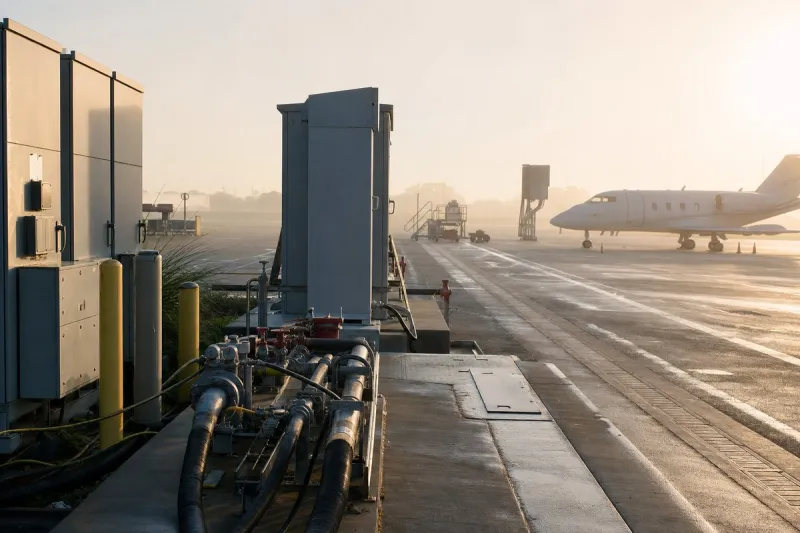
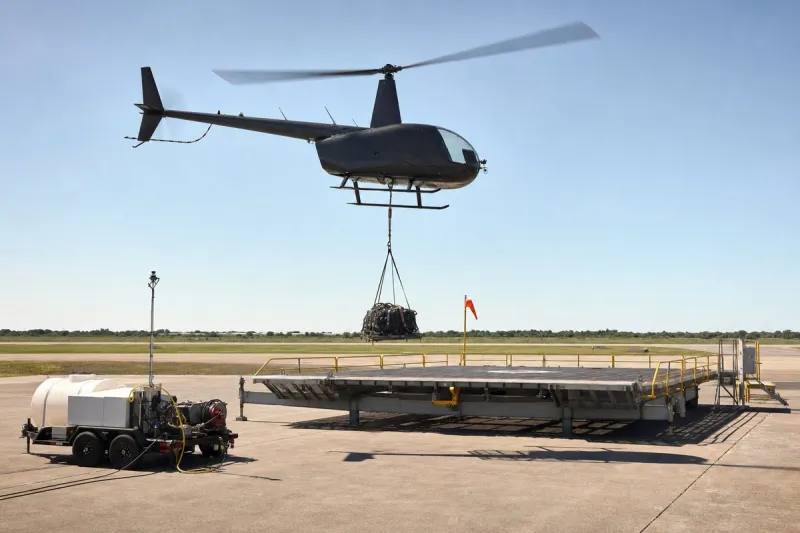
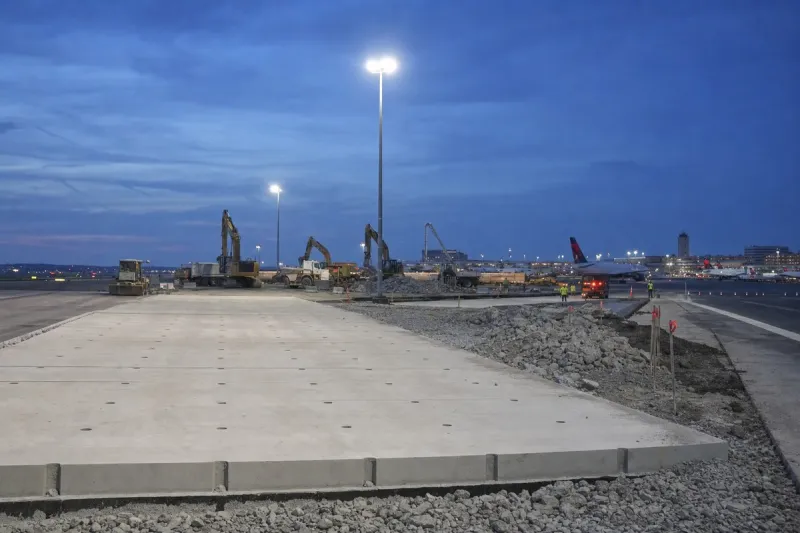
Saxon Air will examine the airside infrastructure needed to store and supply hydrogen, including its use for ground support equipment and unmanned aircraft systems, with results meant to feed future regulation and operational guidance. The CAA said the projects will help it understand the opportunities and challenges of hydrogen fuel and how existing aviation rules may need to evolve, building on earlier Hydrogen Challenge work that included a zero-carbon aircraft turnaround using hydrogen-powered ground vehicles at Exeter Airport and a Rolls-Royce and easyJet test of a modified Pearl 15 engine on hydrogen.