JFL Credit Provides $30M Financing to Powerhouse Engines to Acquire and Lease CFM56 Jet Engines
Why It MattersThe financing underscores tightening CFM56 aftermarket supply, as production has ended and airlines extend engine service lives amid narrowbody delivery delays.
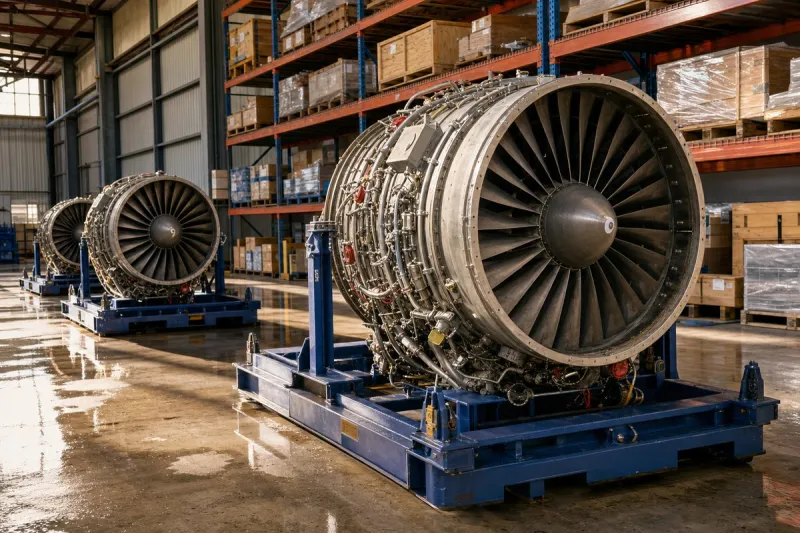
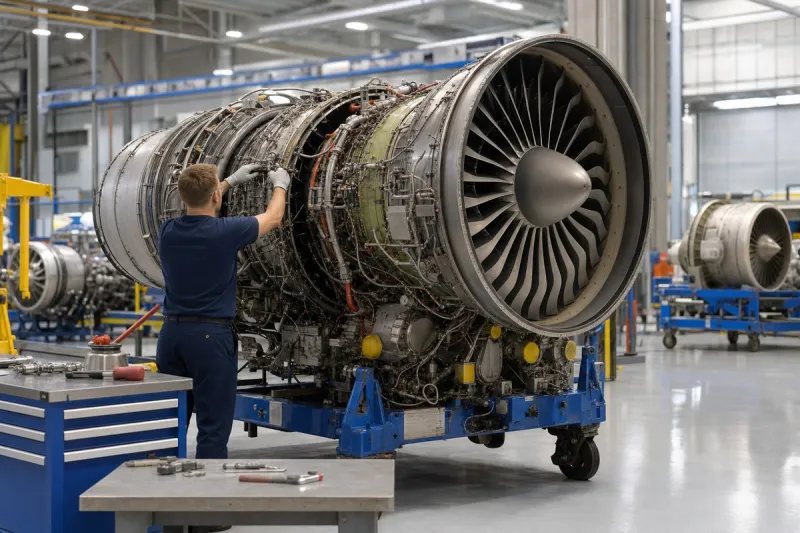
JFL Credit, the private credit arm of alternative asset manager J.F. Lehman & Company, announced on September 1 a $30 million financing facility for Powerhouse Engines, a Miami-based specialist in CFM56 aircraft engines. Powerhouse plans to deploy approximately $24 million of that capital within the first 30 days to acquire an initial five CFM56-7B engines, which it will lease, tear down for parts, and overhaul for resale.
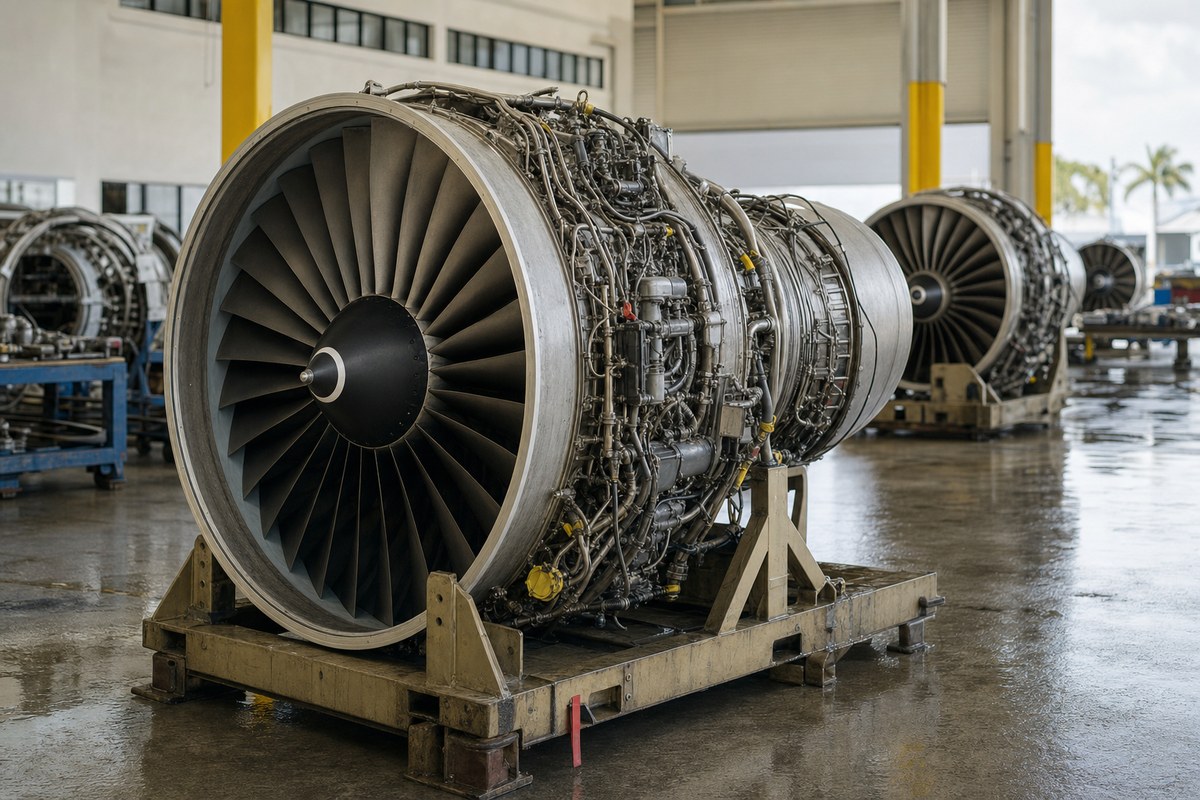
The CFM56 powers the Boeing 737NG and Airbus A320ceo families — roughly 7,500 and 6,200 aircraft respectively — with approximately 14,200 engines still in service worldwide. CFM International ceased production of new CFM56s years ago, and ongoing delivery delays for next-generation narrowbodies have pushed airlines to extend CFM56 service lives, tightening the aftermarket supply.
Monthly lease rates for a CFM56-7B currently range from $42,000 to $48,000, roughly 34% above 2019 levels and up 15–20% in recent months. On a $3 million engine, a $45,000 monthly lease generates an unlevered yield of approximately 18% on asset value. Teardown economics offer additional upside: an exhausted engine purchased for $800,000–$1.2 million can yield $1.6–$2.2 million in Used Serviceable Material, producing a per-engine net margin of $400,000–$800,000. The global USM market has grown past $4 billion annually, and the CFM56 aftermarket overall is valued at $24–$27 billion.
Publicly traded companies pursuing similar strategies include FTAI Aviation, which owns and leases CFM56 and V2500 engines and recently launched a venture converting CFM56s into power turbines for data centers, and AAR Corp, the largest MRO provider in North America and a major participant in the USM market. The principal risk to the model is a projected 15–20% increase in teardown supply by 2029–2030, as the next-generation LEAP-powered fleet matures and airlines retire older narrowbodies in larger numbers, which could compress teardown margins and push lease rates back toward pre-pandemic levels.