Airbus Corporate Jets Survey: 96% of Family Office Executives Increased Private Jet Use in Past Two Years
Why It MattersThe findings suggest family offices' cross-border expansion is turning business aviation from a convenience into a recurring operational input, pushing demand toward larger cabins and routes commercial carriers skip.
What happened
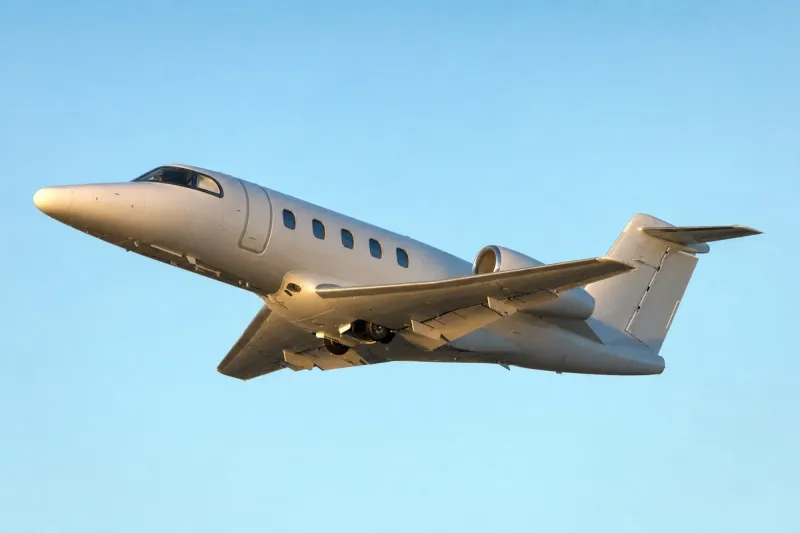
A survey commissioned by Airbus Corporate Jets (ACJ), a division of Airbus, found that 96% of family office executives increased their use of private jets over the past two years, with every respondent expecting that usage to keep rising. The research was conducted among senior executives from family offices collectively managing $303 billion in assets, and 85% of those reporting increased use anticipate a 50 to 100 per cent rise in usage over the next two years.
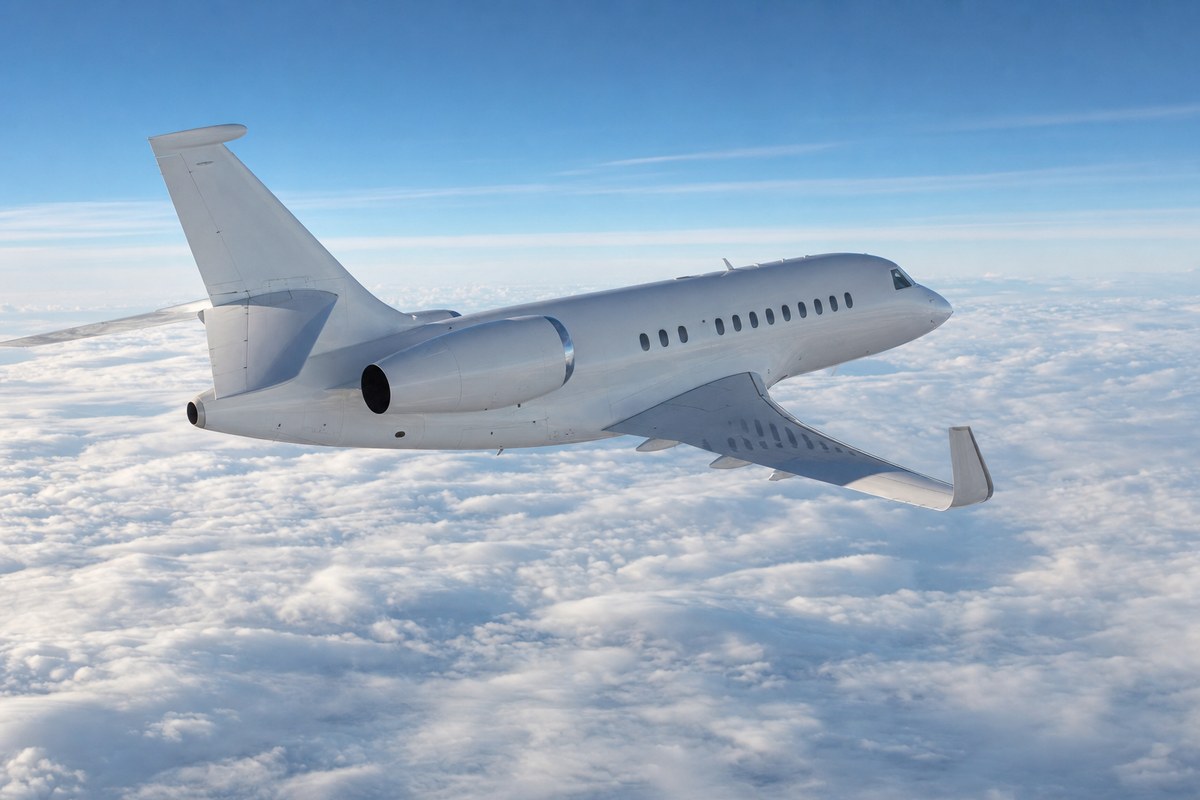
The survey found nearly 70 per cent of family offices have opened offices in new jurisdictions over the past five years, citing a desire to spread geopolitical risk and capture new opportunities, and almost all executives expect more family members to live in different countries over the next three years. Private aviation already accounts for 70 per cent of family offices' business aviation travel, ahead of commercial routes. Respondents ranked flexibility to work during flights, particularly on confidential matters, as the top benefit, followed by control over scheduling, privacy and faster travel times.
On productivity, 89 per cent of executives said they save between two and three hours per trip using business aviation rather than commercial airlines, and 92 per cent said they are at least 25 per cent more productive on private aircraft. Sixty-seven per cent said 25 to 50 per cent of their private aviation trips go to destinations not directly served by commercial airlines, and 43 per cent expect a 50 to 75 per cent increase in large-jet use. "As family offices become more international, business aviation is increasingly becoming a strategic necessity," said Chadi Saade, president of Airbus Corporate Jets.
Industry impact & what to watch
The pattern described here links two structural shifts among family offices — geographic dispersion of family members and assets, and a growing dependence on private aviation to connect them. When nearly 70 per cent of family offices have opened jurisdictions abroad and almost all expect further dispersion, travel between locations stops being occasional and becomes a recurring operational need, which is what pushes private aviation's share of travel above commercial routes.
That need also shapes what gets bought: the emphasis on confidential in-flight work, scheduling control and access to destinations commercial carriers do not serve points toward sustained demand for on-demand and fractional access rather than one-off charter, and the expectation of larger-jet growth signals a shift toward cabins that support longer transcontinental legs and more onboard workspace.
What remains to be seen is how this demand signal translates into fleet decisions — whether family offices lean toward charter, fractional ownership or outright purchase to meet the anticipated 50 to 100 per cent usage growth, and whether aircraft manufacturers and operators adjust large-jet availability to match the 43 per cent of respondents expecting heavier large-cabin use.