BARS Audit, Not IOSA, Is the Key Safety Standard for Mining and Energy Crew Rotation Flights
Why It MattersResource-sector aviation procurement runs on its own safety credential and vendor-approval cycle, so operators that build airline-style compliance without a current BARS audit can still be excluded from mining contracts.
What happened
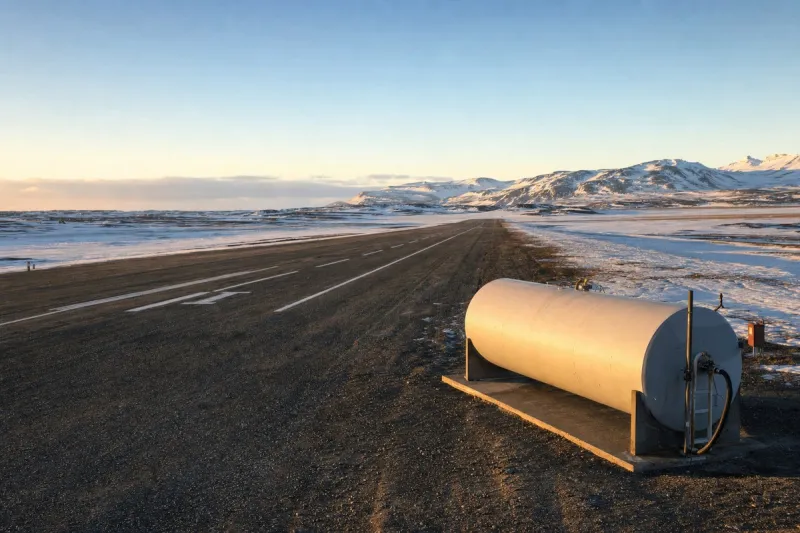
Fly-in, fly-out (FIFO) operations rotate workers on fixed schedules between a city hub and a remote airstrip serving mines, oil and gas fields, or major construction projects, typically hundreds of kilometres apart, using aircraft contracted under long-term ACMI or dedicated charter arrangements. The relevant safety standard for this sourcing is BARS, the Basic Aviation Risk Standard, managed by the BARS Program of the Flight Safety Foundation and built around the risks of resource-sector flying: remote airstrips, limited navigation aids, variable weather, and passengers who are workers rather than the general public. This differs from IOSA, the IATA Operational Safety Audit, which is designed for scheduled passenger airlines and is a condition of IATA membership.

An operator holding IOSA registration but no BARS audit will frequently fail to clear a mining company's aviation procurement process, while an operator with a current BARS audit, regardless of size, is already recognised by many major resource companies. For mining and energy companies, contractors, and camp services providers, clearing a client's aviation assurance requirements typically means confirming the operator holds a current BARS audit or can obtain one within the contract start timeline, that the aircraft type and configuration match the approved aviation risk assessment, that crew experience meets client minimums often set above regulatory requirements, and that the operator can produce its safety management system and flight data monitoring records.
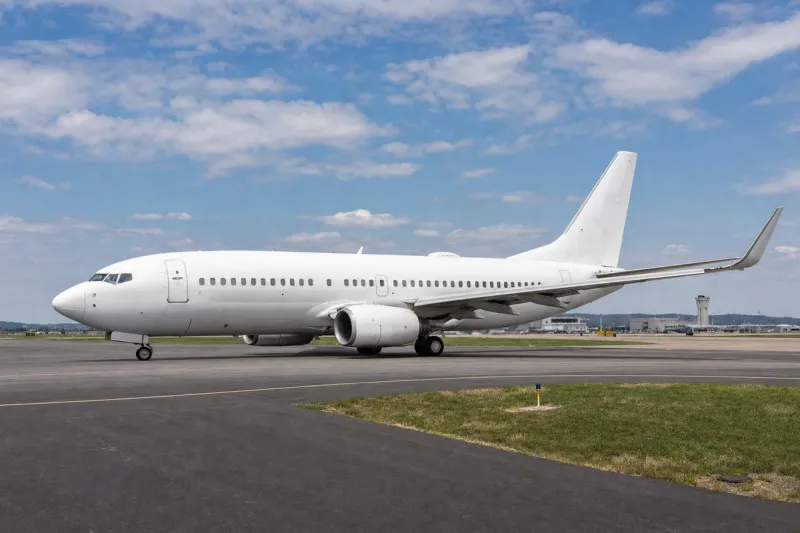
Typical aircraft used in crew rotation include turboprops such as the Dash 8 and ATR series, seating 37 to 78 passengers and capable of operating from short, rough, or gravel strips, regional jets for faster travel over longer distances on paved runways, narrowbody jets for large rotations into sites with full-length runways, and smaller turboprops such as the King Air and Pilatus PC-12 for management travel, technical specialists, and medical evacuation standby. Most crew rotation contracts run one to three years, with a dedicated aircraft based near the site or hub, priced as an ACMI or dedicated charter carrying a monthly minimum of hours; fuel and airport costs are typically paid directly by the client or passed through, while the operator supplies aircraft, crew, maintenance, and insurance.
Contract terms that matter
Key contractual points in these arrangements include standby and medevac availability outside the scheduled rotation, how weather-related or airstrip-closure cancellations are counted against the monthly minimum, replacement aircraft timelines and their compliance with BARS and client requirements, and local content obligations that in some countries require a share of services from local suppliers. Resource company procurement operates on annual plans and approved vendor lists, often requiring pre-registration before a tender opens, and aviation services can appear in those plans months before a contract actually starts.
Industry impact & what to watch
This is a procurement-gating case: the standard a buyer recognises, not the standard an operator has earned, decides who reaches the shortlist. A carrier built around IOSA can be fully compliant on paper and still be filtered out before pricing is even discussed, because mining and energy buyers screen against BARS and their own risk assessment for aircraft type, configuration, and crew experience.
The segment runs on long lead times rather than spot pricing: contracts of one to three years are awarded off annual vendor plans and pre-registration lists, so an operator without a current BARS audit at the time a tender opens is competing on price against operators who already cleared assurance months earlier. Fleet fit compounds this — turboprops for rough or gravel strips, regional jets or narrowbodies for hub-to-site volume, and light turboprops for medevac standby each match a different airstrip and mission profile within the client's approved risk assessment.
What remains to be settled in any given tender is whether the incumbent's BARS audit, aircraft configuration, and crew minimums line up with the specific site's approved risk assessment, and whether replacement-aircraft timelines can hold to that same standard if the primary airframe goes unserviceable.