SkyDine Founder Discusses Private Jet Catering Challenges, Health Trends and a 130-Passenger Presidential Flight Pulled Off in Under 24 Hours
Why It MattersPrivate jet catering runs on last-minute, highly customized orders shaped by aircraft-specific galley and heating constraints, a complexity that keeps the segment dependent on human judgment rather than automation.
What happened
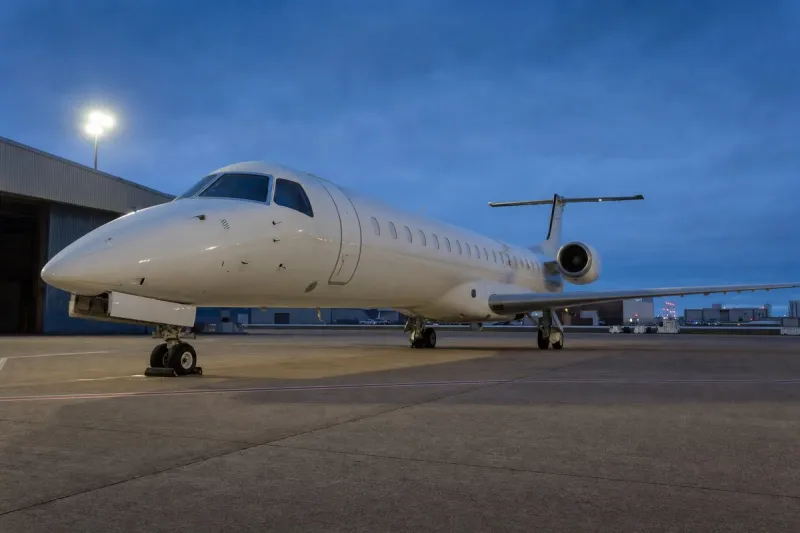
Brody Speno, founder of Miami-based private jet catering firm SkyDine, described what he called the largest and most challenging order the company has fulfilled: feeding more than 130 passengers on a presidential flight with less than 24 hours' notice after the original caterer withdrew. SkyDine had to unload all existing catering equipment, wash the trays, and prepare more than 130 meals from scratch, replating everything within the 24-hour window. Speno said the scale and VIP pressure, not the food items themselves, which were relatively standard, made the order the defining test for the company.
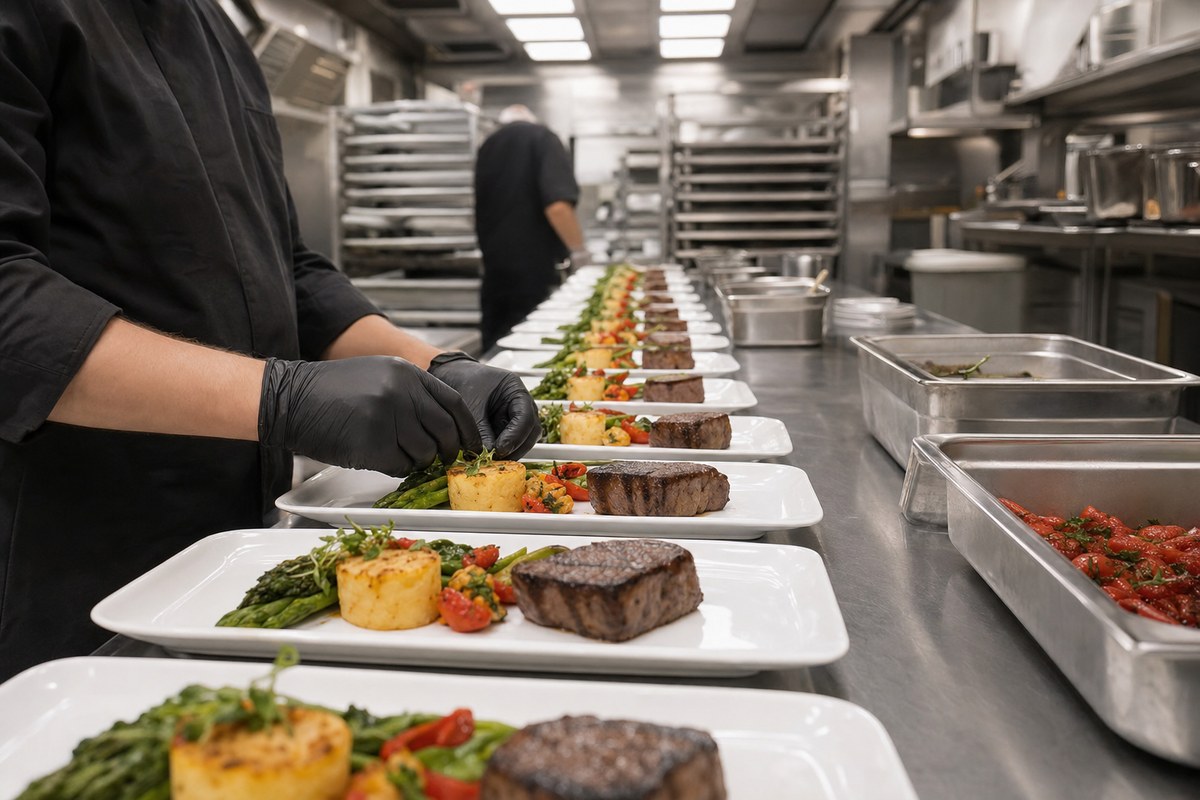
Speno also detailed everyday operations at SkyDine, saying most orders arrive with only 24 hours' notice and sometimes as little as three hours before departure. Clients rarely order from a set menu, which prevents advance preparation, and the average order goes through 10 to 12 revisions covering food items, serving sizes, airports and departure times.
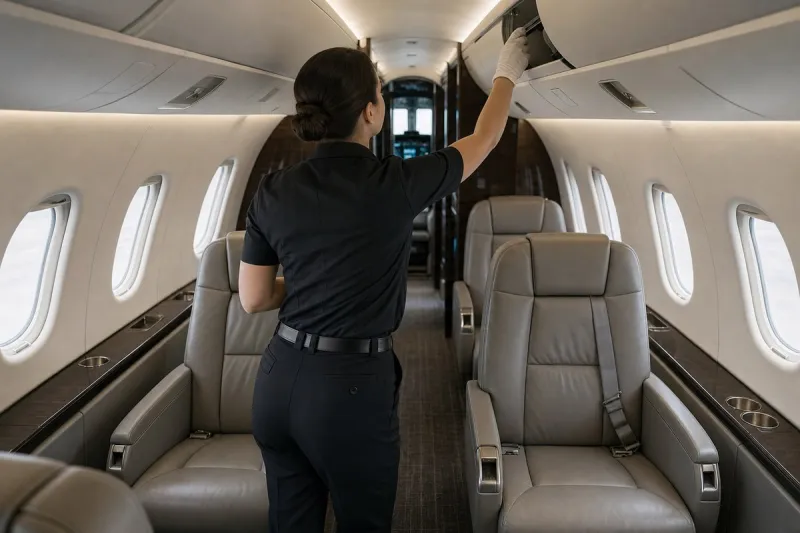
On dietary trends, Speno said passengers have become noticeably more health-conscious in recent years, with more requests for specific dietary restrictions and healthier ingredients, prompting SkyDine to expand its menu and prioritise sourcing fresh produce. On packaging, he explained that SkyDine produces custom packaging for each aircraft because heating capabilities vary between microwave-only, oven-equipped and no-heating configurations, and galley dimensions differ by aircraft type. Keeping packaging minimal is a priority because all waste travels with the aircraft, and while no clients have specifically requested recyclable packaging, Speno said the company would fulfil such a request. He noted food safety standards vary by state and local health department, citing ServSafe, state food-handling certification and HACCP certification as applicable frameworks, and said flight attendants, many with culinary backgrounds or inflight catering training, are typically highly specific about requirements that SkyDine generally follows closely.
Why technology hasn't taken over
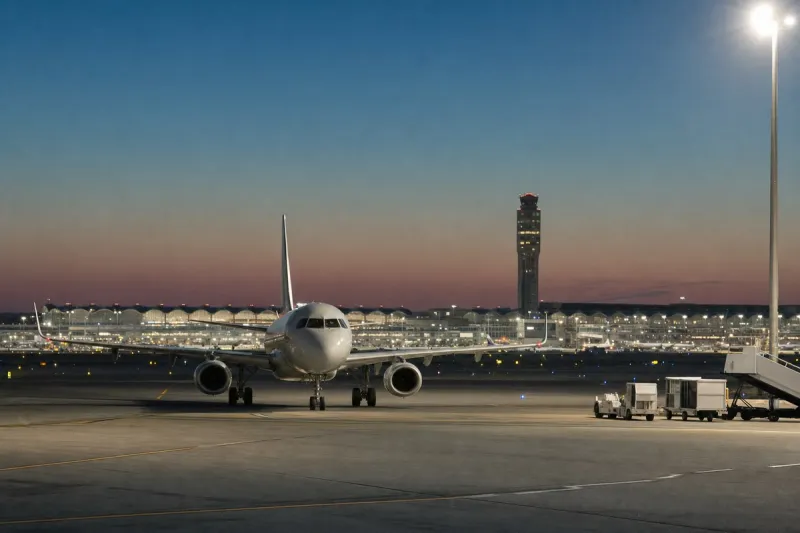
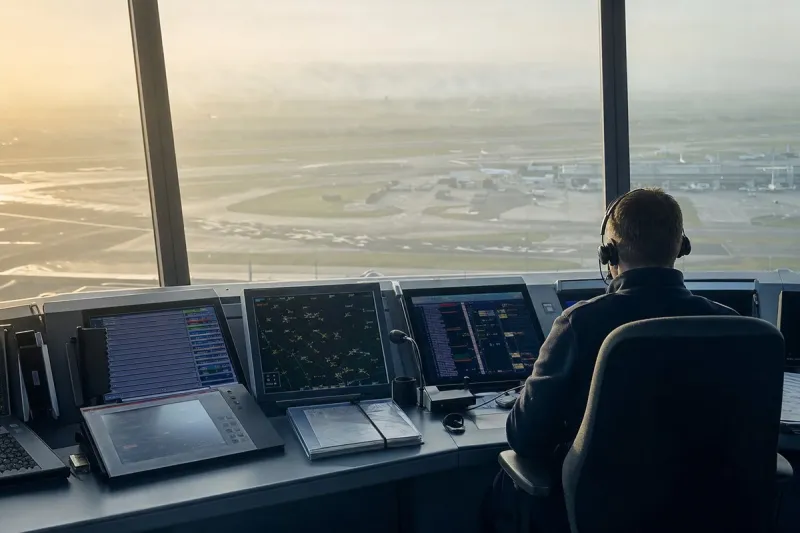
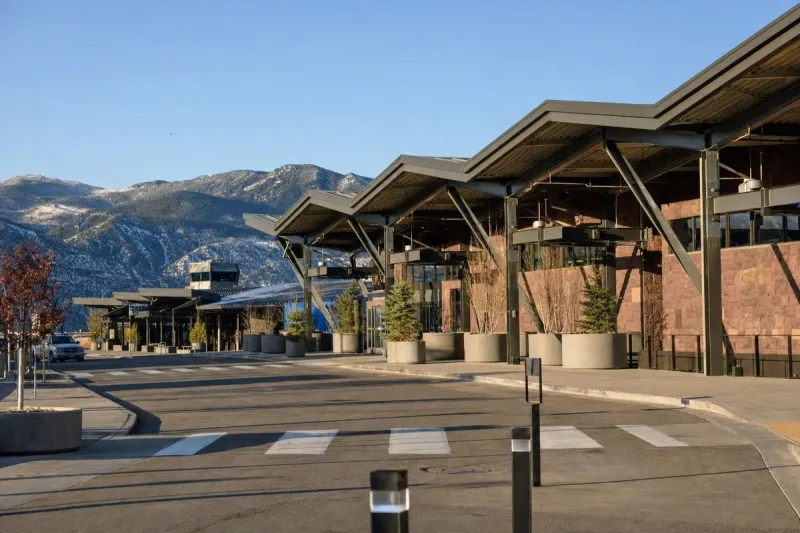
Speno addressed the role of technology in inflight catering, saying no significant breakthrough has yet meaningfully changed how the operation runs. He argued that artificial intelligence cannot handle the business's real-world complexity, citing examples such as sourcing additional caviar at 2:00 a.m. or pivoting an order from Aspen to Rifle due to a flight diversion while simultaneously switching packaging from microwave-safe containers to oven tins following an aircraft change. He said a human will always need to oversee these operations for the foreseeable future.
Industry impact & what to watch
The presidential-flight order illustrates a broader pattern in private jet catering: capacity to absorb sudden, high-volume demand under compressed timelines is treated as a core competitive credential, not an exception handled once a year. Speno's account of 24-hour and even three-hour turnaround windows, combined with 10 to 12 revisions per order, shows that the segment's operating model is built around constant last-minute change rather than standardized menus or advance planning.
That same variability explains why packaging and logistics are aircraft-specific rather than standardized across a fleet: heating capability and galley dimensions dictate what a caterer can deliver, so custom packaging per aircraft type becomes a fixed cost of doing business rather than a customization option. The shift toward health-conscious and dietary-specific requests adds another layer of variability on top of already tight timelines, pushing caterers to expand ingredient sourcing and menu flexibility simultaneously.
Speno's skepticism about artificial intelligence in this segment points to a structural limit on automation: the value in inflight catering lies in real-time judgment calls, such as re-sourcing an ingredient overnight or rerouting an order after a diversion, that current technology cannot execute. Whether that view holds will depend on whether any catering or logistics platform demonstrates it can handle the kind of last-minute aircraft and airport changes Speno described as routine.