True Blue Power Gen5 TB50 Lithium Battery Cuts Jet Start Time from 12 to 4 Seconds, Saves 45 Pounds
Why It MattersAs lithium-ion batteries mature into drop-in replacements for legacy lead-acid packs, weight, thermal wear and dispatch reliability become measurable differentiators across piston, turboprop and business-jet fleets alike.
What happened
Mid-Continent Instruments and Avionics chief test pilot Harrah demonstrated True Blue Power's Gen5 TB50 lithium-ion main-ship battery aboard an SIAI-Marchetti S.211 jet trainer — one of approximately a dozen of the type in U.S. civilian hands — at a recent airshow. The TB50 is a 50 amp-hour, lithium-ion drop-in replacement for conventional lead-acid batteries, and Harrah said the swap removed 45 pounds from the S.211 and repositioned the center of gravity back to mid-range within the aircraft's envelope.
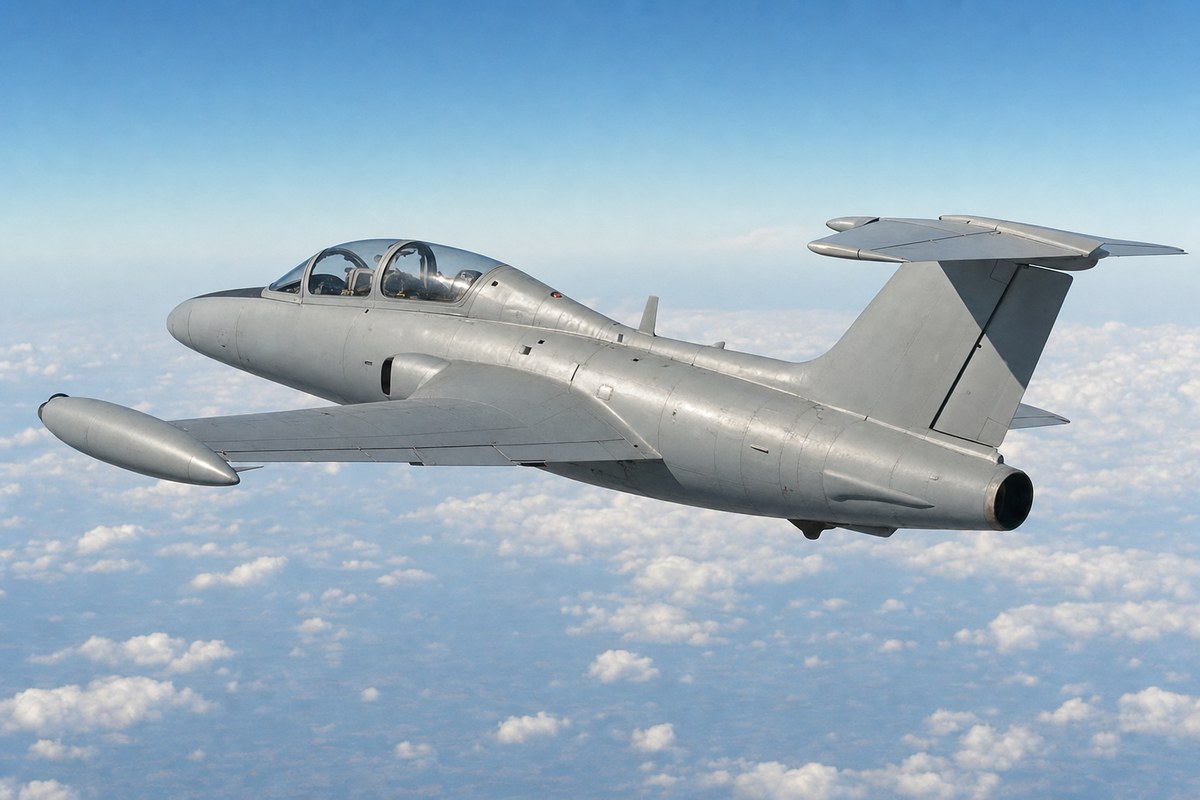
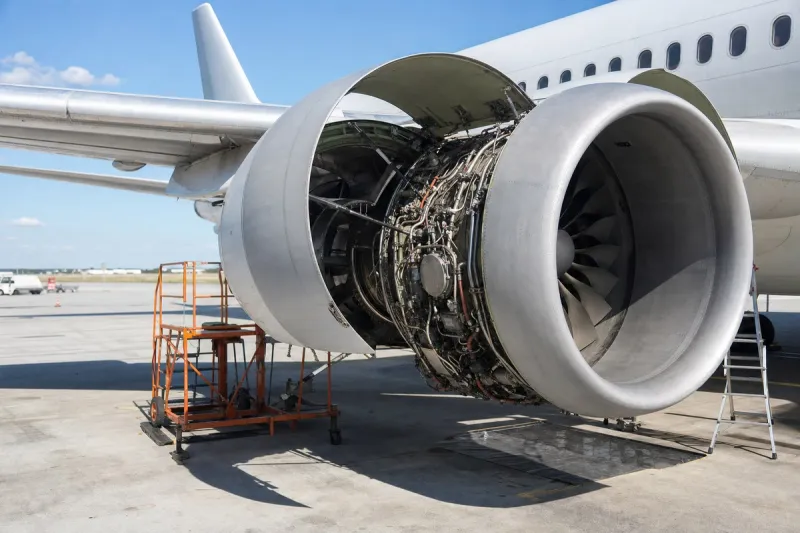
On start performance, Harrah said the battery cut the time to reach 10 percent high-speed compressor speed — the point at which fuel is introduced — from 12 seconds on lead-acid to approximately four seconds. He said the faster spool-up produced engine start temperatures 90 to 100 degrees Celsius cooler, reducing wear on both the starter-generator brushes and the engine's burner section.
The battery carries a digital data bus, accessible through a connector on its base, that gives the crew real-time state-of-charge and battery-health readings. Harrah said this prevents hot starts caused by attempting a start with insufficient charge, noting that lead-acid voltage typically drops to around 13 volts at start, whereas the TB50 maintains consistent output down to 30 percent state of charge. In his own testing, a battery at 70 percent state of charge recharged to above 90 percent within five minutes after engine start.
Harrah said the Gen5 TB50 installed in the S.211 is expected to remain in service for eight to ten more years, and that lead-acid batteries typically fall below 1,000 cycles. The battery includes built-in heaters that let it stay installed in cold climates, with a button that warms it before flight, and Harrah said it can sit unused for at least three months without a battery tender. The restored B-29 Superfortress Doc, based in Wichita, uses three True Blue Power TB40 batteries, and Harrah said the improvement in motoring large radial engines past hydraulic lock has been notable, with the same benefit applying across T-28s and engines fitted with Packard Merlin 1650 powerplants. True Blue Power's lineup ranges from a 28 amp-hour, 12-volt unit for the homebuilt and light general aviation market to 60 amp-hour packs, plus emergency standby batteries used across the business jet fleet. The S.211 panel also displays Mid-Continent's broader product range, including an MD23 Flex-family standby attitude indicator, altimeter, battery status indicator, a clock with USB charging ports, and an AC inverter being flight-tested in the aircraft's nose section to support Starlink connectivity retrofits. Jonathan Welsh, lead editor of The Aviation Consumer, attended the demonstration.
Industry impact & what to watch
This demonstration belongs to a broader shift already underway in general aviation and warbird operations: lithium-ion chemistry replacing lead-acid as a drop-in main-ship battery rather than requiring a full electrical-system redesign. The appeal is a combination of weight removed from the airframe, faster and cooler engine starts, and onboard health data that a legacy lead-acid battery simply cannot provide.
How this segment works is that operators of older piston and early-jet types have historically accepted lead-acid's voltage sag, hot-start risk, and cycle-life limits as the cost of simplicity. A battery that reports its own state of charge and holds voltage down to 30 percent of capacity changes the maintenance calculus, particularly for aircraft like the S.211 — with only about a dozen in U.S. civilian hands — or large radial-engine warbirds such as Doc, where hydraulic lock and hard starts carry real risk to expensive, hard-to-replace powerplants.
What remains to be seen is how the TB50's claimed eight-to-ten-year service life plays out against the stated sub-1,000-cycle lead-acid benchmark across a wider fleet, and whether the same weight and thermal benefits Harrah described in the S.211 and on Doc's radial engines translate consistently across the T-28s and Packard Merlin-1650-equipped aircraft he cited.