FAA Phase One ATC Modernization Estimated at $16 Billion, Exceeding $12.5 Billion Congressional Appropriation
Why It MattersLarge infrastructure programs funded through partial appropriations risk stranded investments and rising long-term costs until full funding, staffing plans and lifecycle cost estimates align.
What happened
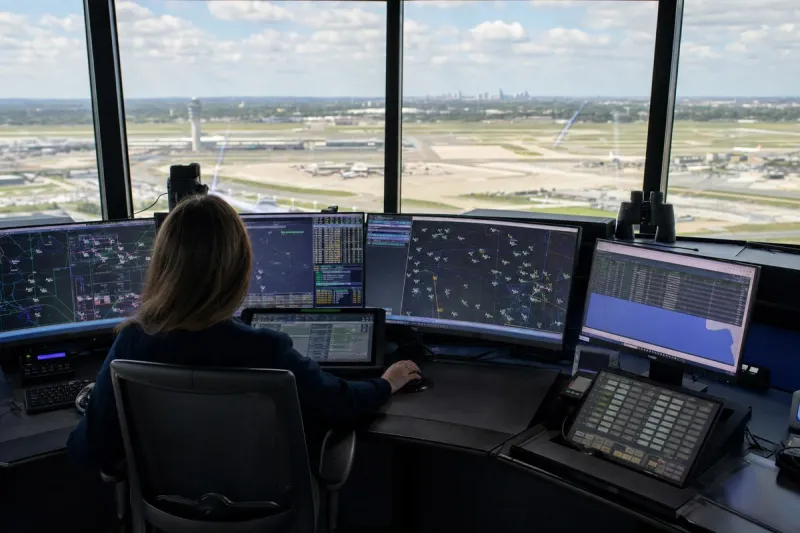
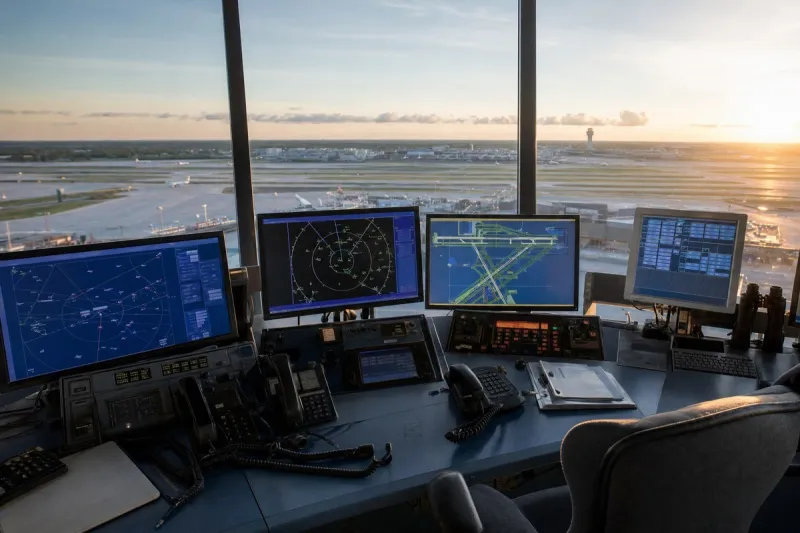
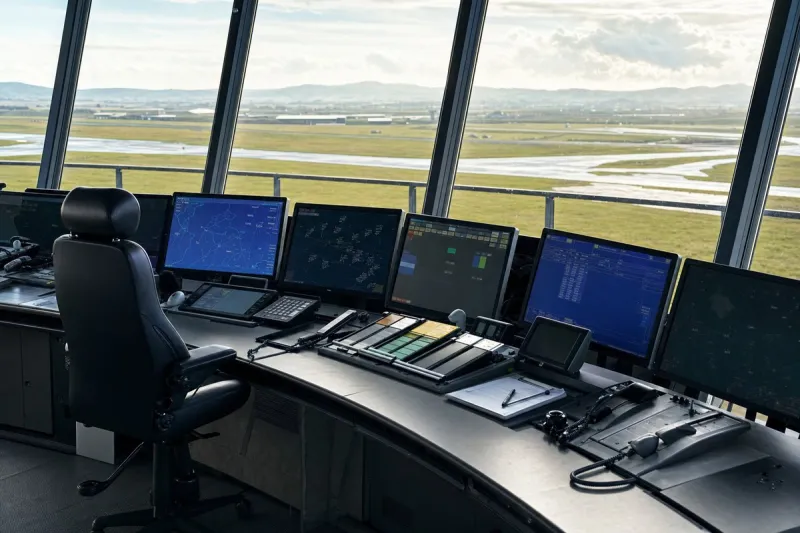
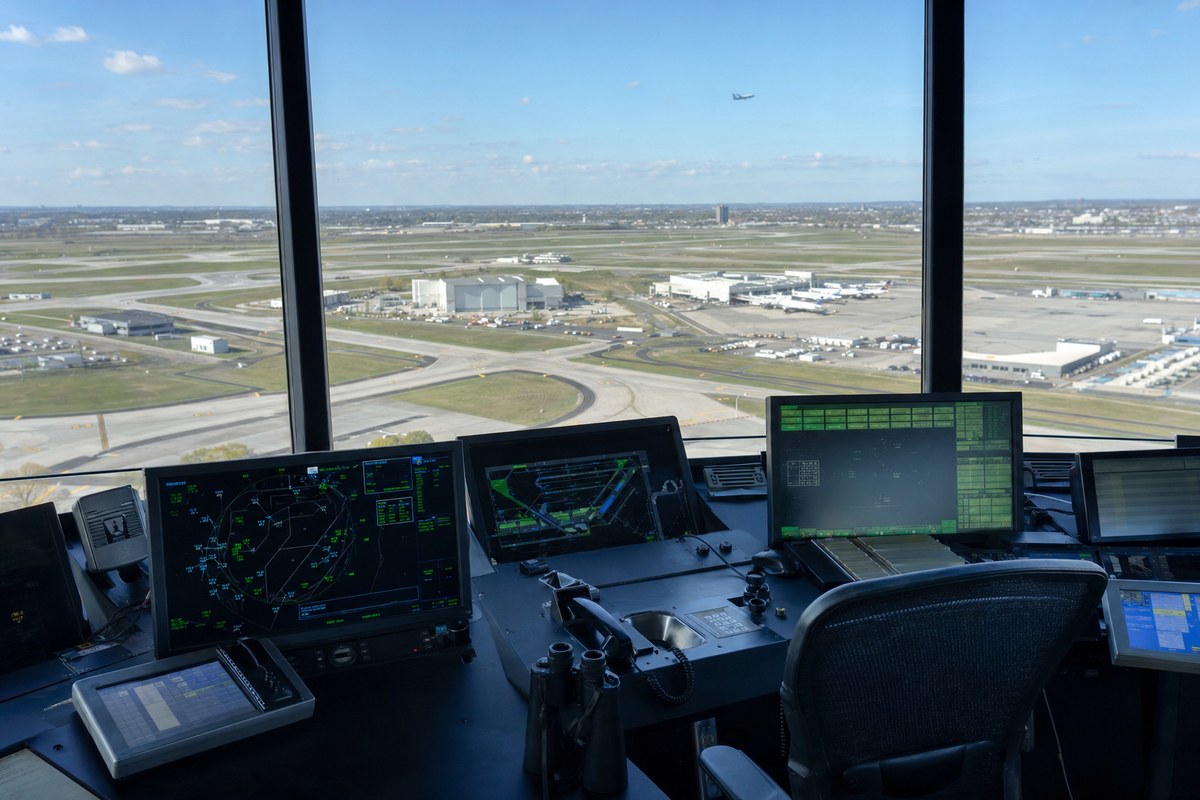
FAA Administrator Bryan Bedford told the House Appropriations Subcommittee on Transportation, Housing and Urban Development, and Related Agencies at a September 15 oversight hearing that Phase One of the air traffic control modernization effort, the Brand New Air Traffic Control System (BNATCS), is expected to cost $16 billion. Congress had provided $12.5 billion for the program through last year's budget reconciliation law, leaving a gap between that appropriation and the projected Phase One cost.
The Government Accountability Office reported just before the hearing that the FAA had identified a $574 million remaining balance for Phase One systems modernization after accounting for reconciliation funding and $1.011 billion from fiscal 2026 annual appropriations. A coalition of more than 50 aviation organizations, including the Aircraft Owners and Pilots Association, called in July for an additional $20 billion to close the funding gap, warning that partial funding could result in stranded investments and higher long-term costs. Transportation Secretary Sean Duffy has separately sought between $6 billion and $10 billion from Congress for broader integration of artificial intelligence into air traffic management, with earlier reporting indicating he had requested at least $7 billion more beyond the administration's existing budget topline.
The funding debate follows a January 2025 midair collision near Ronald Reagan Washington National Airport that killed 67 people. The National Transportation Safety Board concluded at a final board meeting in January that systemic failures in airspace design, safety oversight, and risk management by the FAA and the U.S. Army contributed to the collision, and that the FAA had failed to act adequately on years of data showing dangerous proximity between helicopters and commercial aircraft near the airport. Bedford, confirmed as FAA administrator in July 2025, and Duffy jointly announced the largest reorganization in FAA history, creating new offices focused on safety, air traffic modernization, and advanced technology. In June, the FAA awarded Air Space Intelligence a 12-year, $875 million contract to develop air traffic management software including the Strategic Management of Airspace, Routes, and Trajectories system, known as SMART, which the FAA began deploying in the Washington area in September.
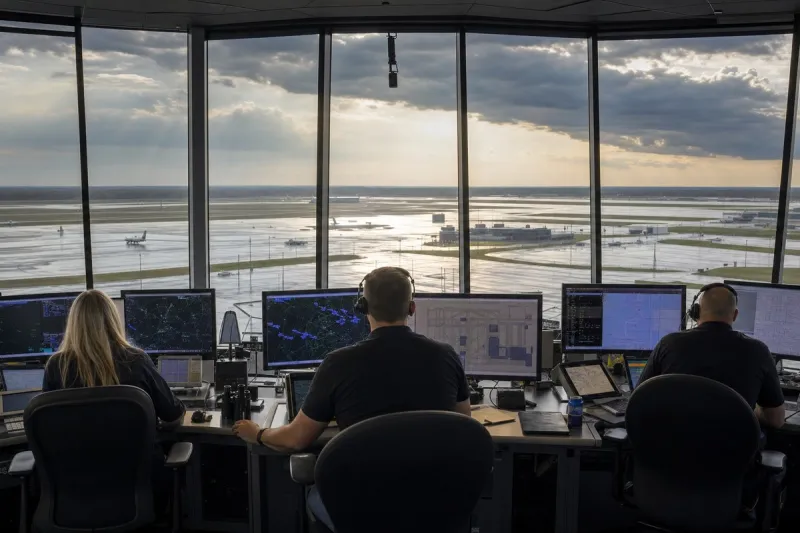
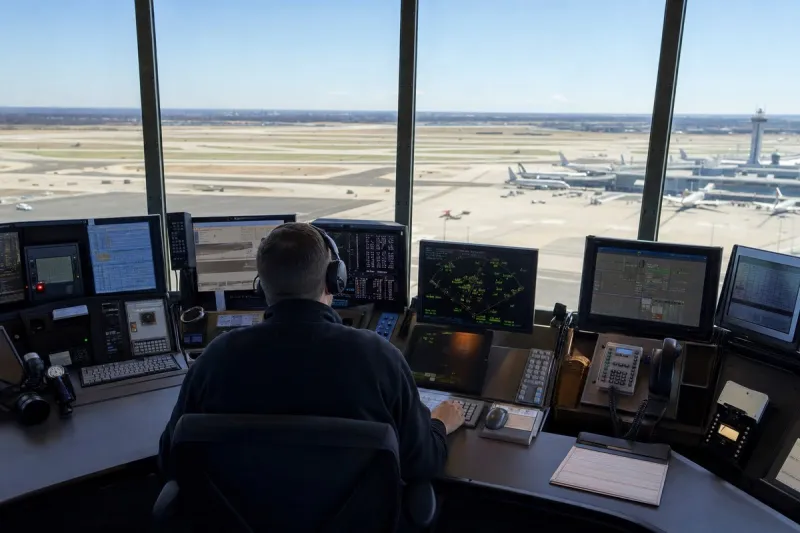
The hearing also addressed controller staffing. The FAA's 2026–2028 Air Traffic Controller Workforce Plan calls for hiring at least 2,200 new controllers in fiscal 2026, 2,300 in fiscal 2027, and 2,400 in fiscal 2028. The agency reduced its full-staffing target to 12,563 certified professional controllers, down from a previous target of 14,633, citing forecast demand and a Transportation Research Board review. The National Air Traffic Controllers Association said it was not involved in developing the new plan and was reviewing it. Congress authorized a 3.8% pay increase for controllers in legislation signed by President Trump in April, with $140 million appropriated; controllers have received the 1% governmentwide raise, while the remaining 2.8% has not been implemented. Bedford has linked its implementation to improvements in workforce utilization and operational efficiency, and Senators Tammy Duckworth and Dick Durbin wrote to Bedford in September criticizing the decision.
Terms of the funding gap
The House Appropriations Committee approved its fiscal 2027 Transportation appropriations bill in June by a vote of 34–27. The Government Accountability Office has warned that the FAA has not yet developed a lifecycle cost estimate or integrated master schedule for the broader modernization effort, a gap that bears directly on whether the $16 billion Phase One figure holds as the program proceeds.
Industry impact & what to watch
Large government-run infrastructure modernizations routinely reveal a gap between initial appropriations and the fuller cost estimate once program offices scope the work in detail, and this case follows that arc: a $12.5 billion reconciliation appropriation against a $16 billion Phase One estimate, with a coalition of more than 50 aviation organizations separately pressing for $20 billion to close what they call the broader BNATCS gap.
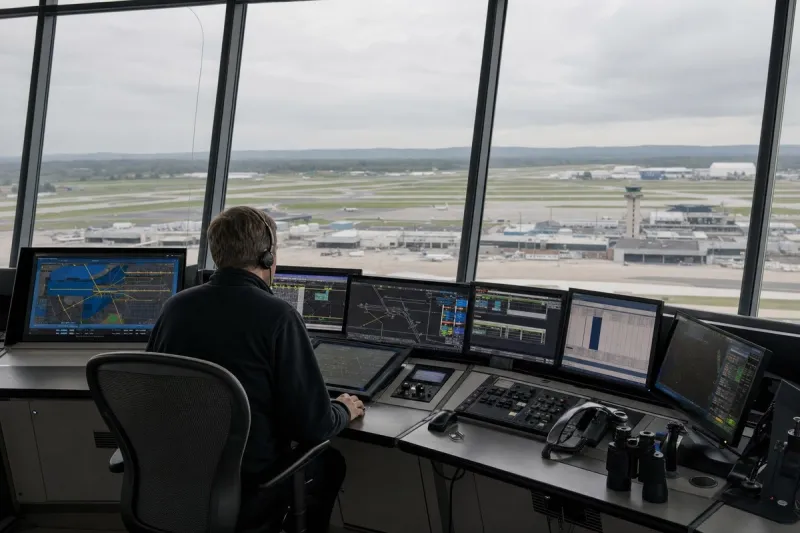
In air traffic control programs specifically, funding, staffing and technology deployment move on separate tracks that still have to converge. The controller workforce plan lowers the staffing target to 12,563 from 14,633 even as the agency plans to hire thousands of new controllers annually through fiscal 2028, while a new $875 million SMART software contract is already being deployed in the Washington area ahead of any resolution on the larger funding question or a lifecycle cost estimate the GAO says does not yet exist.
What happens next depends on how the fiscal 2027 appropriations process treats the gap between the $12.5 billion already provided and the $16 billion Phase One estimate, and on whether Duffy's separate $6-10 billion request for AI integration is funded on top of that. The unresolved 2.8% controller pay increase, and NATCA's stated distance from the new workforce plan, are also concrete markers of whether the workforce side of modernization is aligned with the technology side.