Merlin Labs Withdraws New Zealand Small-Aircraft STC to Target 7,000 US Large Commercial Transports
Why It MattersThe pivot shows autonomous-flight developers chasing scale in large commercial and military transports even though US and EU rules still mandate two pilots and bar extended minimum crew operations.
What happened
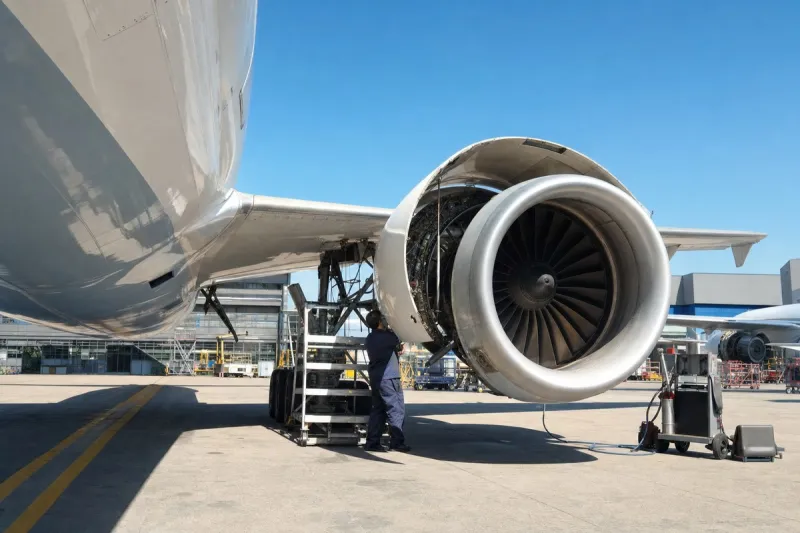
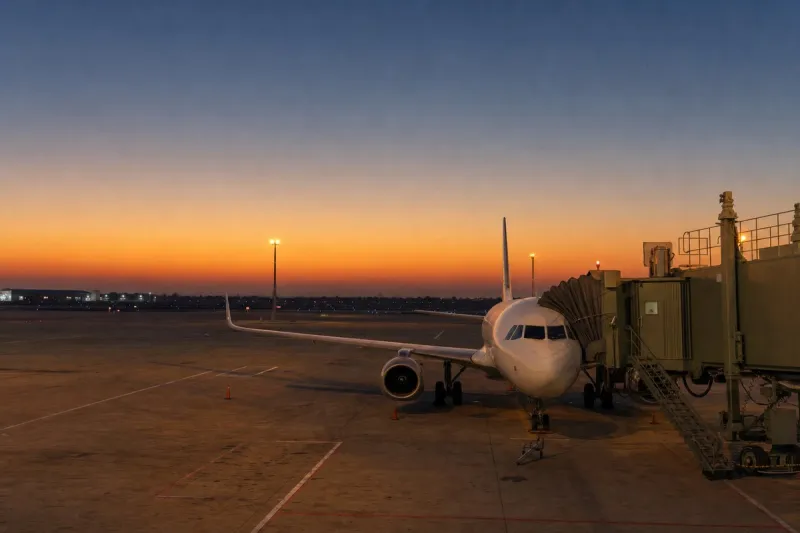
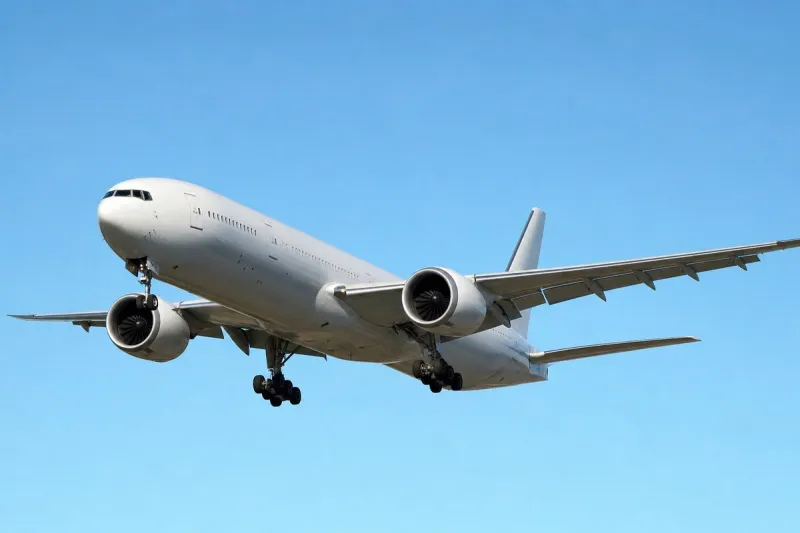
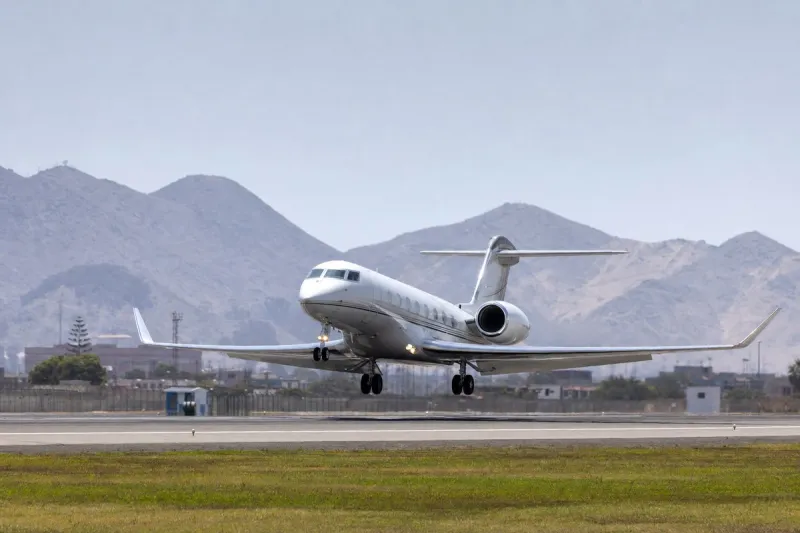
Merlin Labs, a US-based autonomous flight systems developer, announced on September 9, 2026 that it is withdrawing its small-aircraft Supplemental Type Certificate application with New Zealand's Civil Aviation Authority, shifting its strategy toward large aircraft in the US market. The company cited a US fleet of more than 7,000 large commercial transports and a projected shortfall of over 30,000 pilots by 2032 as the commercial rationale for the move. New Zealand will continue as a testing and demonstration base, and commercial operations there remain a stated long-term goal, but Merlin's primary target is now military transports, freighters, and airliners.
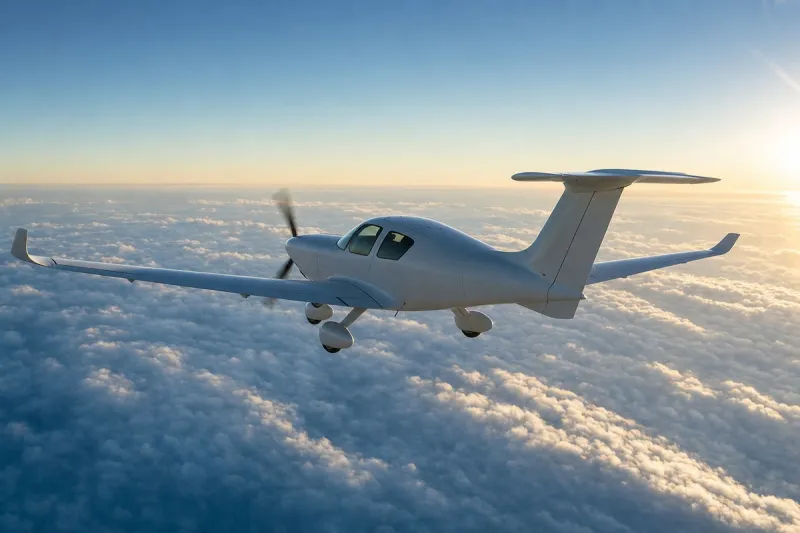
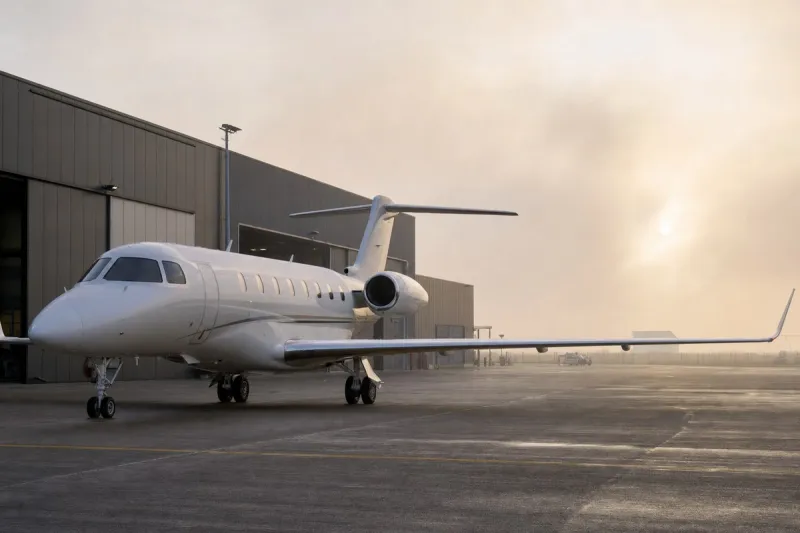
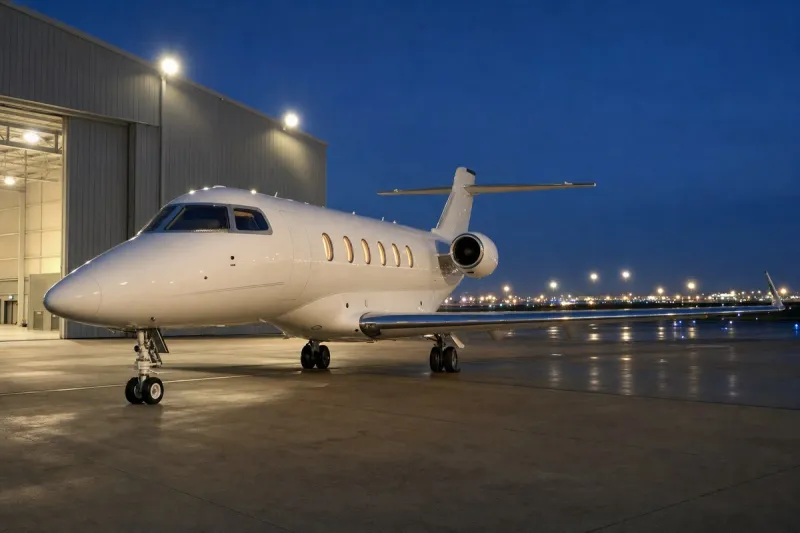
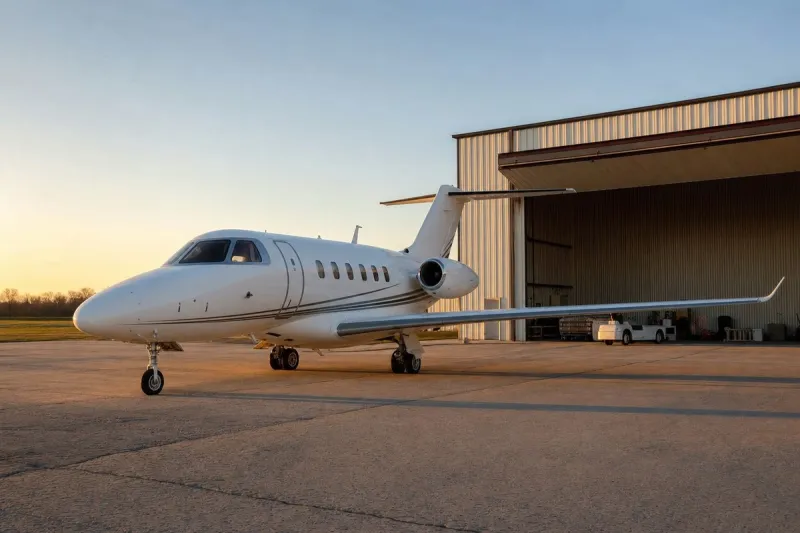
Merlin's flagship product, the Merlin Pilot, is an AI system designed to operate aircraft from takeoff to landing using onboard sensors and software without a remote ground link, and the hardware can be integrated across aircraft types without modification to the airframe. Merlin had previously tested Pilot in New Zealand in partnership with Textron, evaluating the system on Cessna Caravans and Beechcraft King Airs, logging hundreds of autonomous flights while targeting 2027 for full CAANZ certification. On the military side, Merlin Labs has secured a contract from the United States Special Operations Command worth up to $105 million to integrate Pilot into the Lockheed C-130J Super Hercules, plus a separate contract to test the system on the Boeing KC-135R Stratotanker, with flight testing on those platforms described as forthcoming. The company has also previously won a contract from the US Air Force for AI co-pilot systems developed with General Electric.
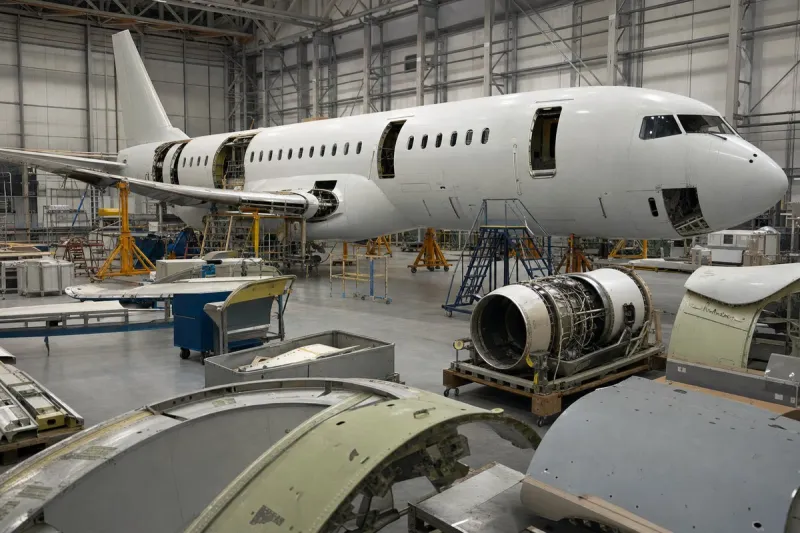
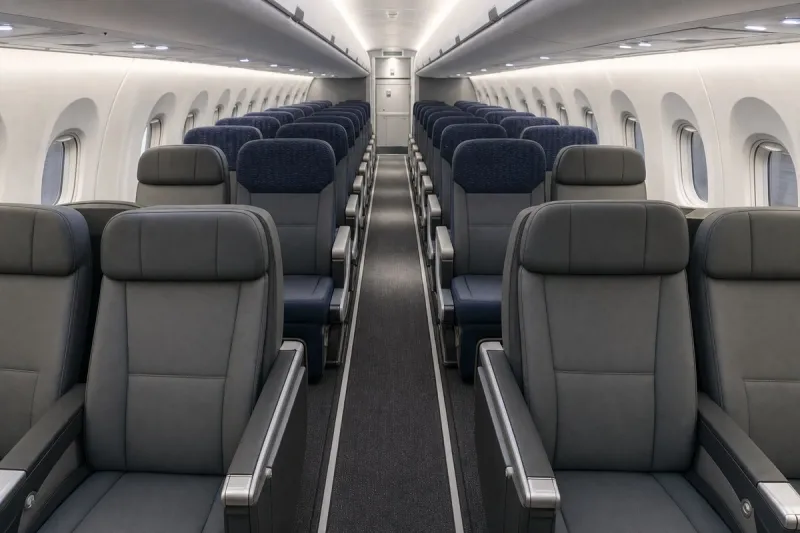
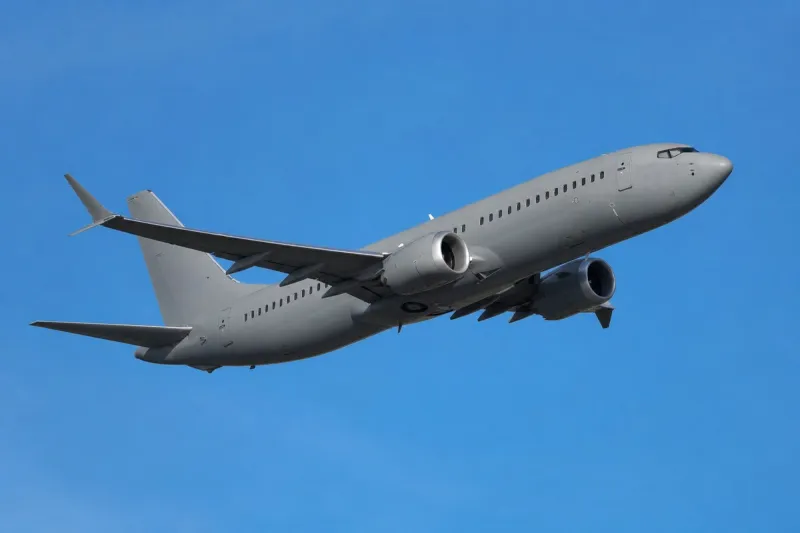
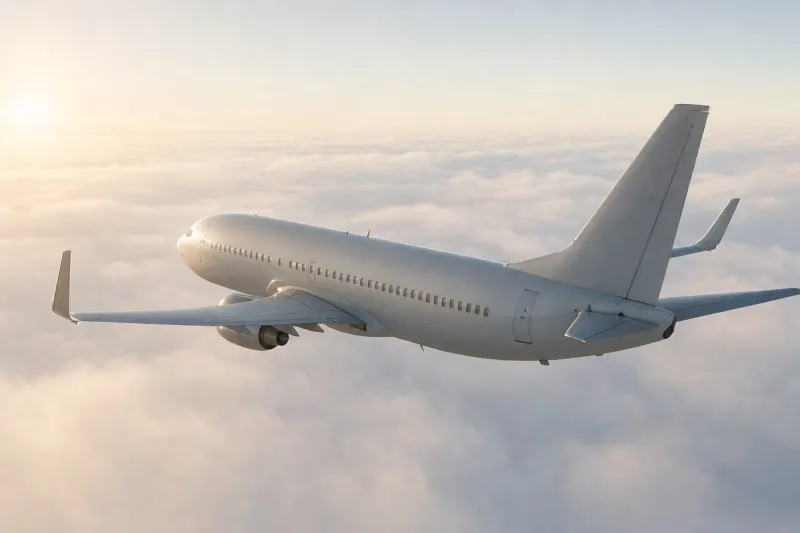
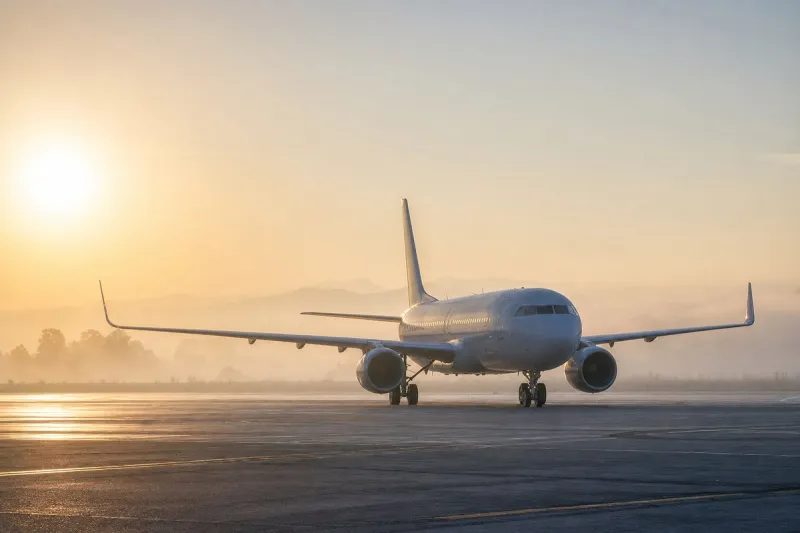
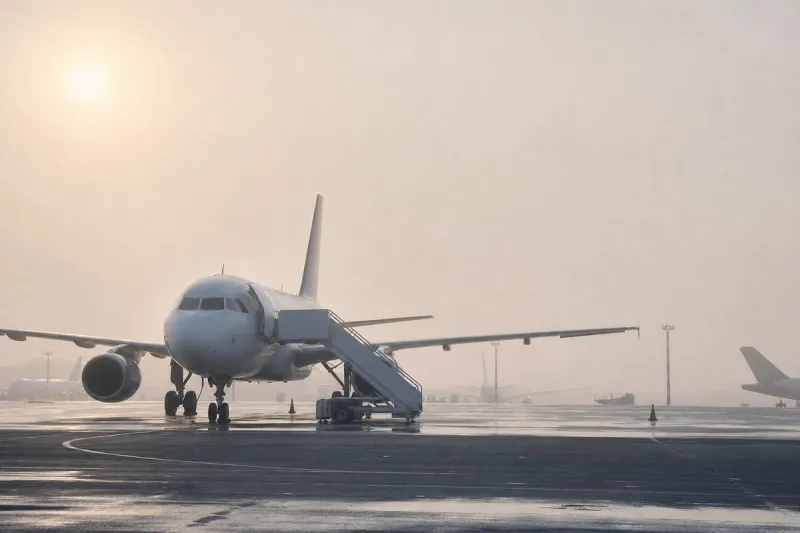
In May 2026, Merlin announced Condor, a version of Pilot adapted for commercial cargo operations. The company has signed a memorandum of understanding with World Star Aviation on commercial development frameworks and an agreement with Israel Aerospace Industries to advance autonomous technologies for FAA Part 25 aircraft. Merlin has identified Airbus A320, A321, and A330 family aircraft as well as Boeing 737, 767, and 777 types as pipeline commercial opportunities, with Condor initially operating alongside full flight crews.
The regulatory wall
US federal regulations require at least two pilots aboard large commercial aircraft and prohibit extended Minimum Crew Operations, a prohibition codified into US law. The European Union Aviation Safety Agency similarly prohibits single-pilot commercial airliner operations and recently concluded that extended Minimum Crew Operations would be unsafe with current cockpit technologies, closing the door on an Airbus push to enable it on the forthcoming A350F freighter, which is scheduled to enter service in the second half of 2027.
Additional hurdles include public acceptance, opposition from pilot unions, and insurance economics: operators of FAA Part 135 aircraft certified for single-pilot flight often staff two pilots regardless, because insurance rates for single-pilot operations are materially higher.
Industry impact & what to watch
Merlin's shift illustrates how autonomy developers are increasingly aiming past light general-aviation aircraft toward the much larger addressable market represented by transport-category jets, where a single military contract can be worth more than an entire fleet of small-aircraft retrofits. The projected pilot shortfall gives that pivot a labor-economics justification distinct from the technology argument alone.
But the segment's real constraint is not engineering, it is certification: both the FAA and EASA have drawn a firm line against reduced or extended minimum crew operations, and EASA's recent finding on the A350F shows regulators are not moving even for narrowly scoped freighter cases. Insurance pricing for single-pilot Part 135 operations shows that market mechanisms are already pricing in the risk regulators formally reject, independent of any union opposition.
What happens on the C-130J and KC-135R flight-test programs, and whether either agency signals any openings on eMCO, will matter more to Merlin's large-aircraft ambitions than progress in New Zealand ever could.