FAA Invests $284 Million to Upgrade Air Traffic Control Infrastructure at Pennsylvania Airports by 2028
Why It MattersThe upgrade shows air traffic modernization increasingly pairing physical equipment replacement with centralized data platforms meant to shift airspace management from reactive to predictive.
What happened
The Federal Aviation Administration is putting $284 million into air traffic control towers and related infrastructure across Pennsylvania under its Brand New Air Traffic Control System project, with completion expected by 2028.

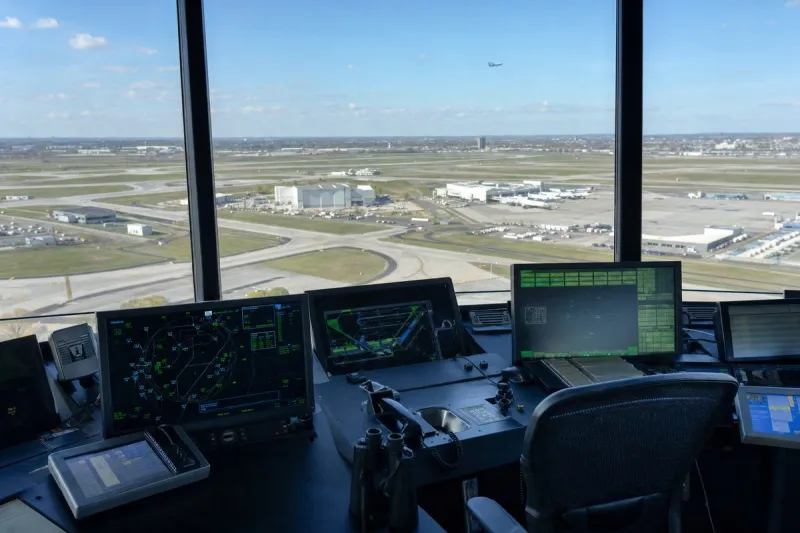
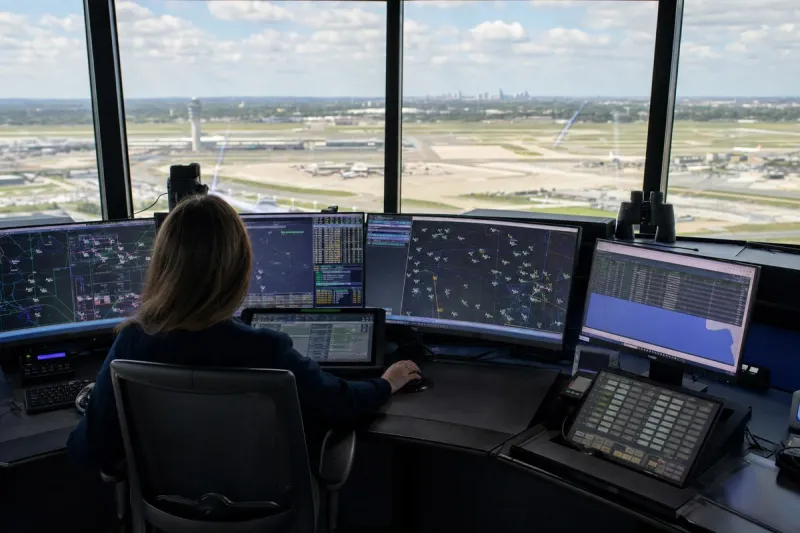
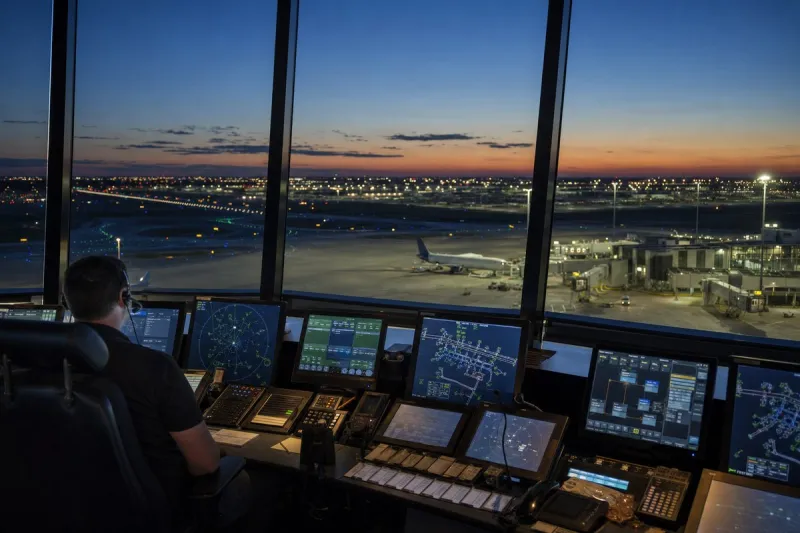
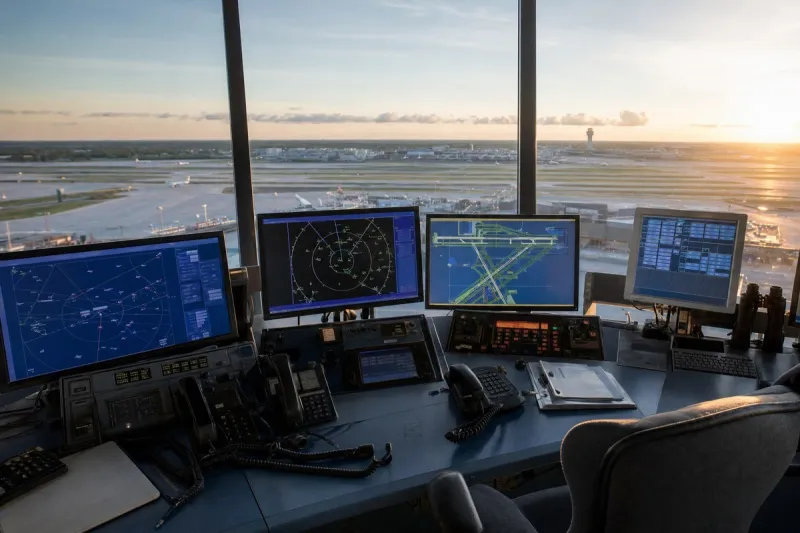
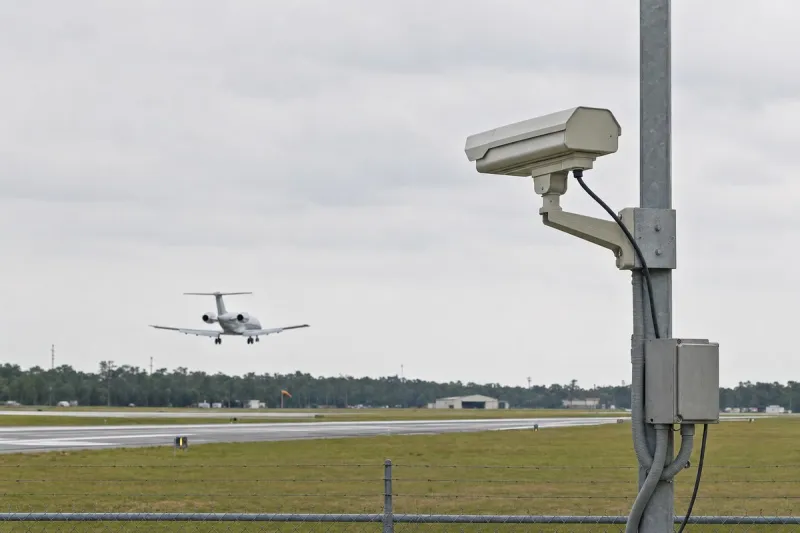
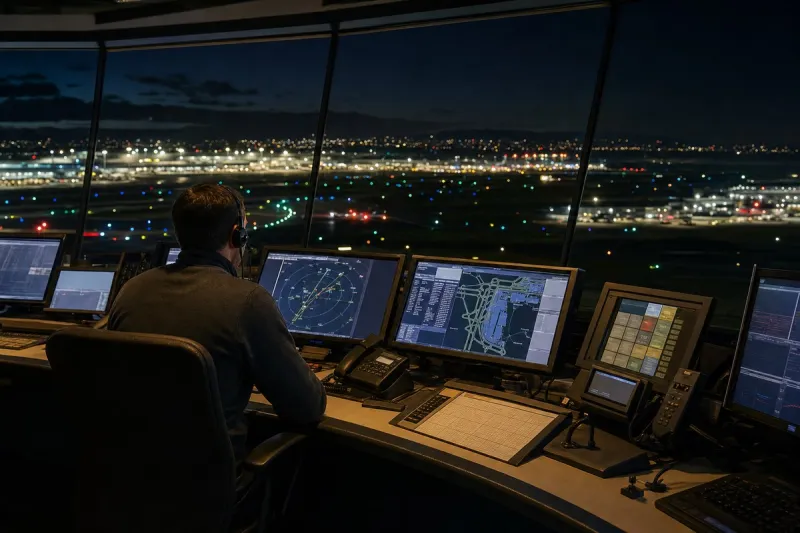
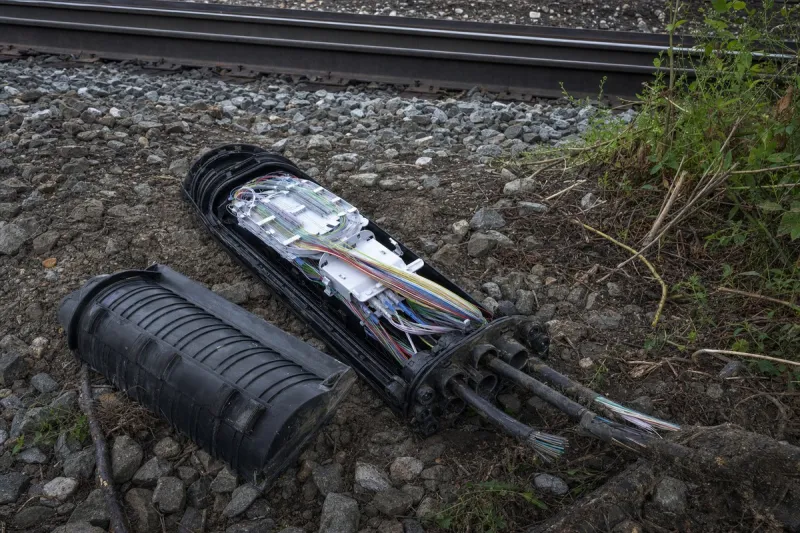
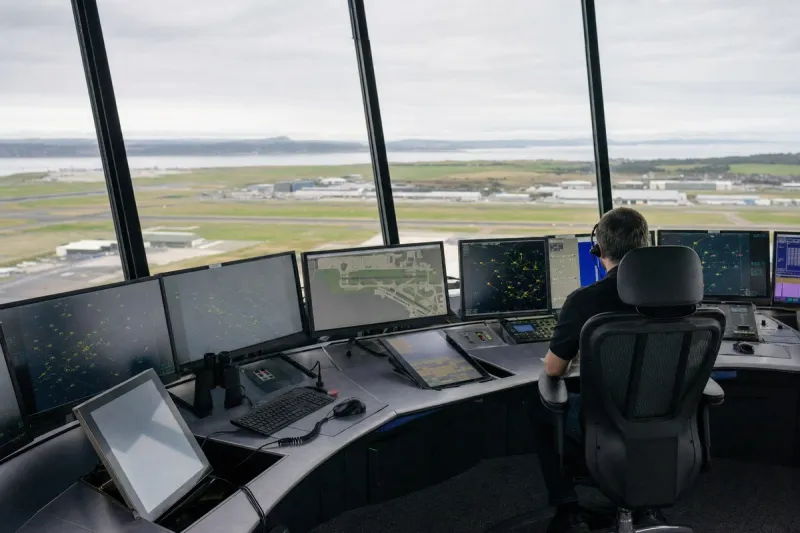
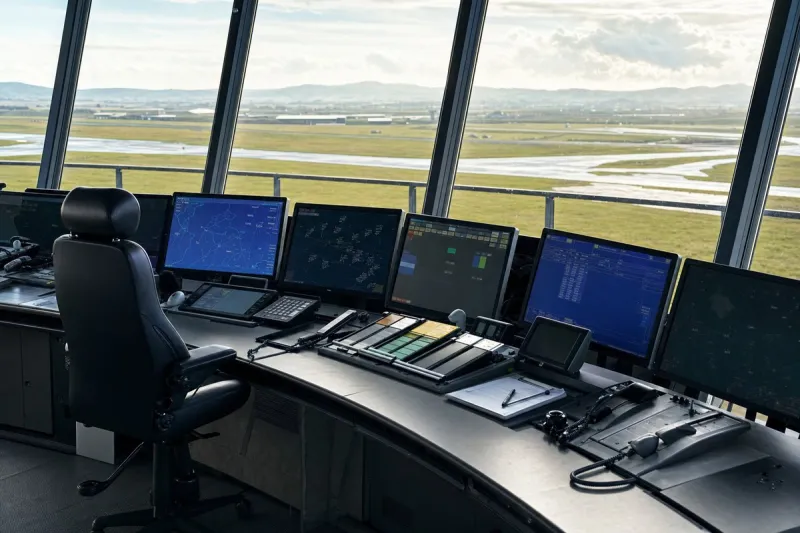
The investment covers 1,059 new radios at 101 sites; high-speed fiber connections at Philadelphia International Airport (PHL), Pittsburgh International Airport (PIT), and Harrisburg International Airport (MDT); new internet protocol voice switches at 12 locations including Williamsport (IPT) and Erie (ERI); new controller information display systems at 9 airports; electronic flight strips at PHL and PIT; 19 new radars at 11 locations; surface movement radars at PHL and PIT; and installation of Surface Awareness Initiative (SAI) capabilities to improve runway safety at 6 airports.
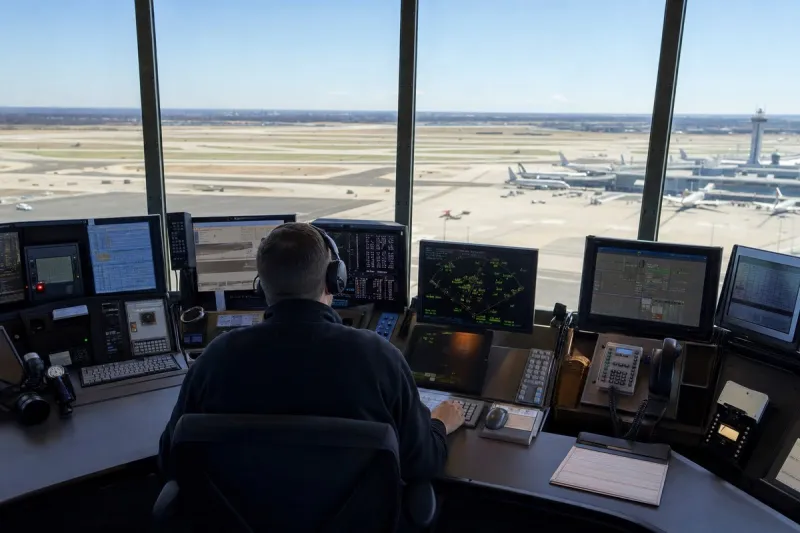
The upgrades accompany the Department of Transportation's Strategic Management of Airspace, Routes and Trajectories (SMART) initiative, which centralizes 200 data streams — including weather patterns, flight paths, traffic flow, and controller staffing metrics — into a single platform for real-time visualization of airspace conditions and congestion risks. U.S. Senators John Fetterman and Dave McCormick announced their support for the investments. Fetterman said he toured the SMART Lab alongside Transportation Secretary Duffy and FAA Administrator Bedford, describing it as transforming commercial flying "from reactive to predictive." McCormick said the SMART initiative and the $284 million investment would give controllers better technology and make air travel safer and more reliable.
Industry impact & what to watch
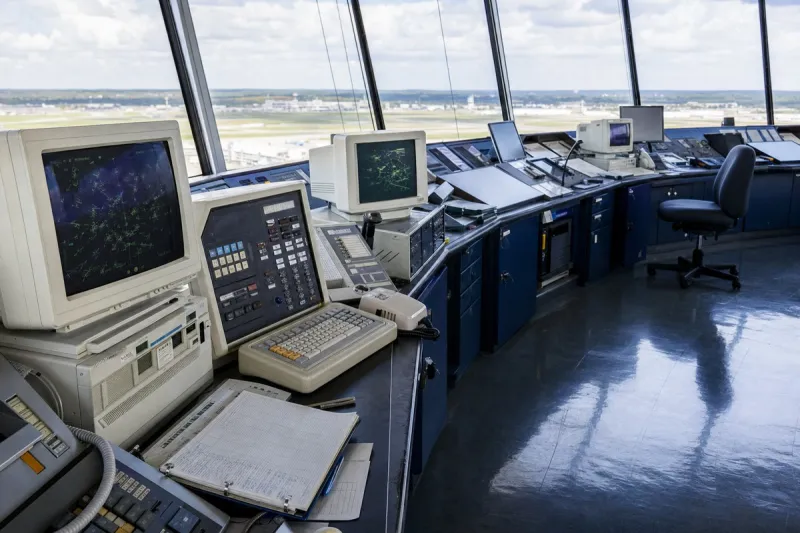
Infrastructure programs like this one belong to a broader push to replace aging radar, radio, and display equipment at towers across the country while simultaneously building data platforms that pull weather, traffic flow, and staffing information into one view for controllers. Pairing hardware replacement with a system like SMART reflects how air traffic modernization increasingly treats equipment upgrades and data visibility as a single project rather than sequential ones.
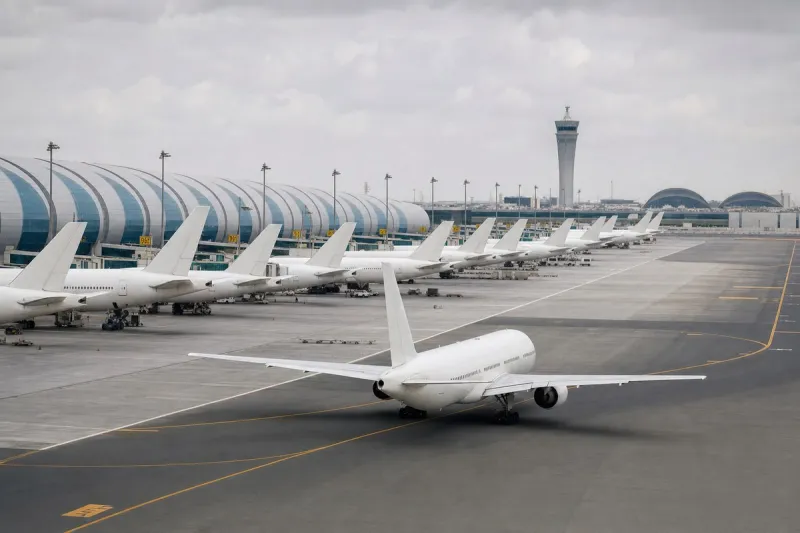
For the airports named — PHL, PIT, MDT, IPT, and ERI — the scope of work varies by site, with fiber connections, surface radars, and electronic flight strips concentrated at the larger hubs while smaller fields receive radios, voice switches, or display systems. That distribution shows how these programs allocate the most capital-intensive tools to the busiest facilities first.
What remains to be seen is how the 2028 completion timeline holds up across 101 sites and multiple technology types, and whether the SMART platform's real-time congestion visualization measurably changes how controllers manage traffic once it is deployed alongside the new hardware.