Thales Secures APAC Contracts for 5G-Immune Radio Altimeter Retrofits Amid Aging Fleet and Regulatory Pressures
Why It MattersAvionics upgrade cycles increasingly hinge on exchange-unit logistics and supply-chain resilience rather than aircraft downtime, as MRO providers balance certification demands against component and spares availability.
What happened
Thales disclosed at MRO Asia Pacific that it has secured contracts to retrofit its 5G-immune Long-Range Radio Altimeter (LRRA) on a significant number of aircraft across the Asia-Pacific region, spanning both in-service aircraft and newly delivered ones.
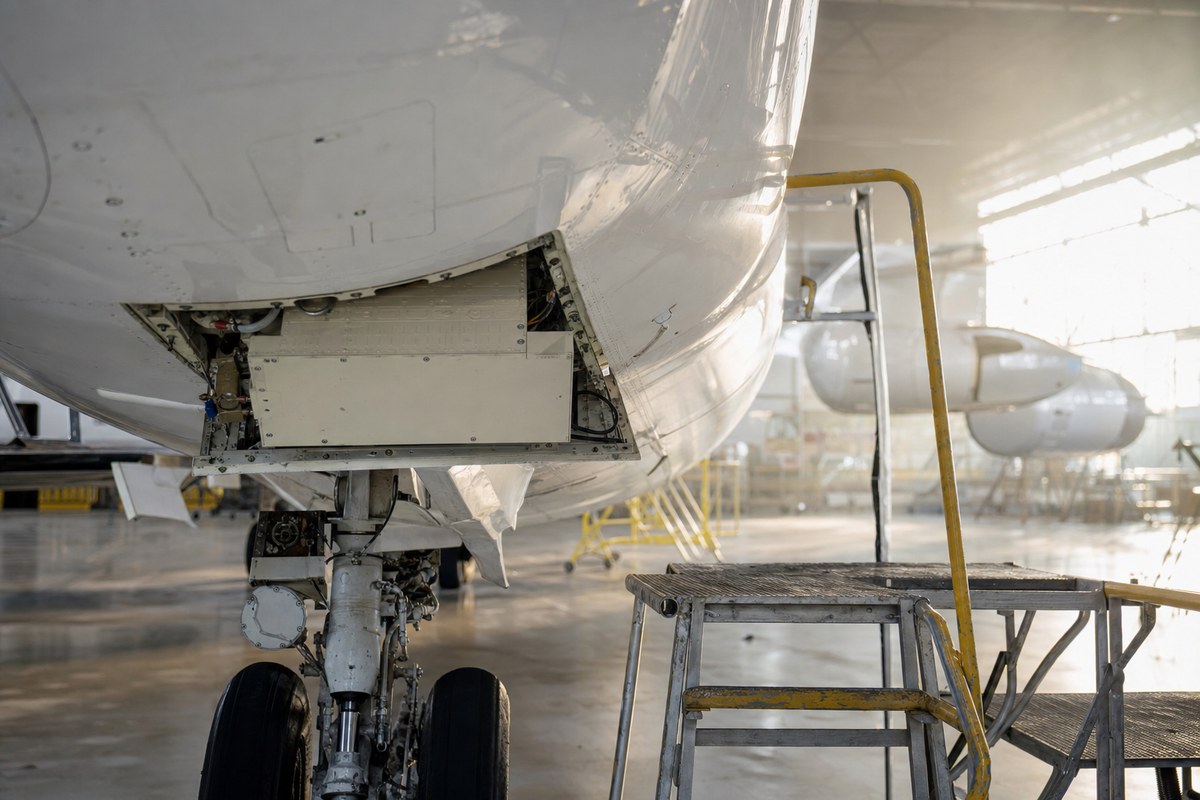
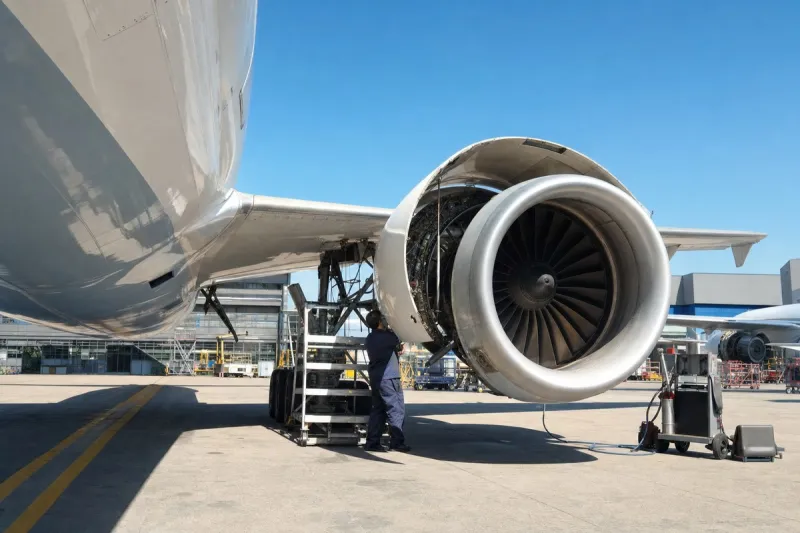
Thomas Mouveaux, Thales general manager APAC for Aviation Global Services, said aircraft can remain in service for decades while the surrounding communications environment changes far faster, and noted that airlines in the region operate diverse aircraft configurations across varying regulatory and spectrum environments, which creates differing requirements for avionics upgrades. To limit operational disruption, Thales is supplying LRRA exchange units that let airlines swap and upgrade radio altimeters without extended grounding periods; removed units are then upgraded and tested at Thales facilities, including its facility in Singapore.
Mouveaux said airlines are also seeking newer avionics beyond interference-tolerant radio altimetry, including flight management systems and newer variants of the Traffic Alert and Collision Avoidance System (TCAS), to improve flight operations, safety and maintenance. He identified access to components and spares as a key challenge for avionics MRO providers, who must meet safety, reliability and certification requirements while maintaining repair capacity and specialised technical expertise. "The response has been to build more resilience into the supply chain, securing manufacturing capacity, ensuring a global talent network and maintaining strategic inventory where appropriate," he said.
Industry impact & what to watch
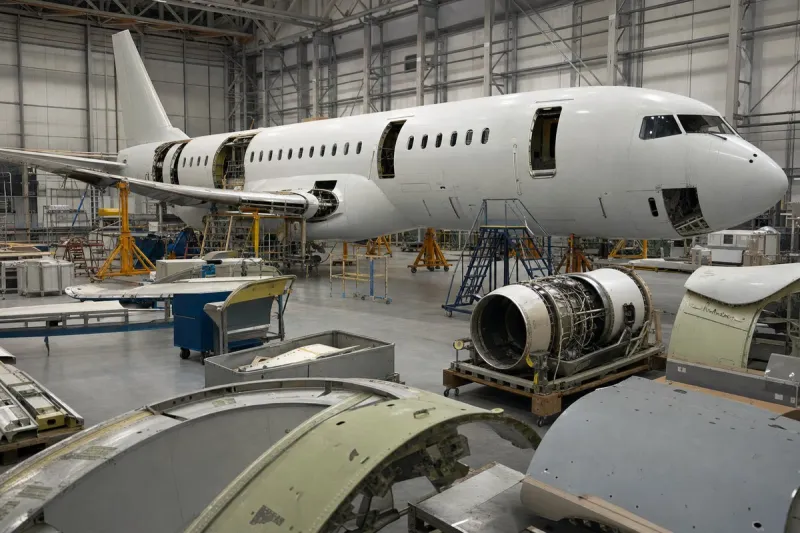
The retrofit push reflects a broader pattern in avionics MRO: regulatory and spectrum changes can outpace the physical airframe, forcing upgrades on aircraft that otherwise have years of service life left. The 5G-immune LRRA retrofit is one such case, driven by a spectrum environment that shifted after the aircraft and original equipment were certified.
Exchange-unit models like the one Thales is running are how this segment manages the tension between fleet-wide compliance and minimal downtime — swap the box, keep the aircraft flying, and route the removed unit through a centralized facility for upgrade and test. That model depends on having enough spare units, repair capacity and certified technicians in place, which is why Mouveaux frames supply-chain resilience, manufacturing capacity and talent as the binding constraints rather than the retrofit technology itself.
What happens next in this segment will show up less in headline contract counts and more in whether providers can keep exchange-unit turnaround times short as demand for parallel upgrades — TCAS variants, flight management systems — competes for the same components and technical staff.