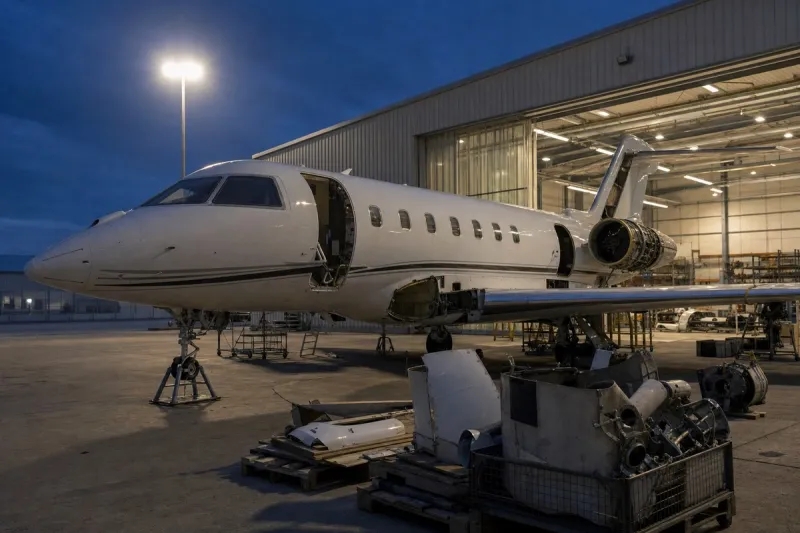
Vertical Aerospace opens Valo Assembly Centre at Cotswold Airport, targeting 1,000 aircraft a year
Why It MattersVertical's staged path from a 25-37-unit initial line to a stated 1,000-aircraft ambition and separate battery gigafactory shows eVTOL manufacturers scaling production capacity well ahead of confirmed certification and demand.
What happened
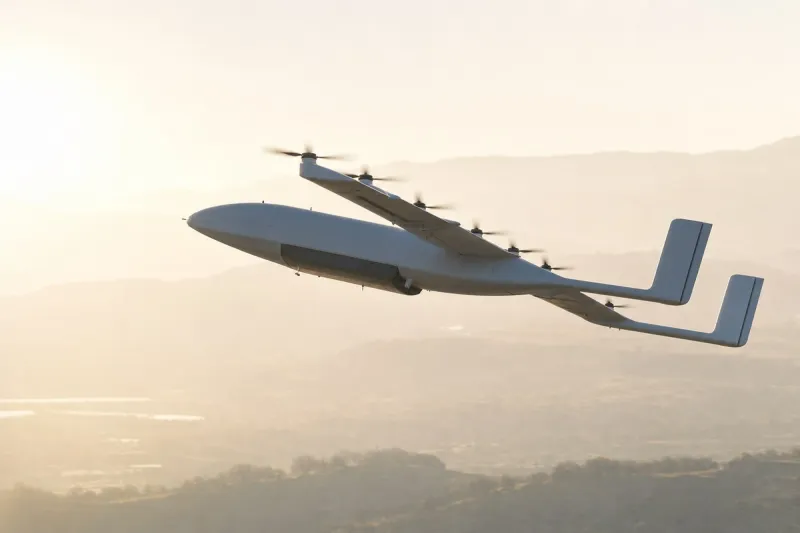
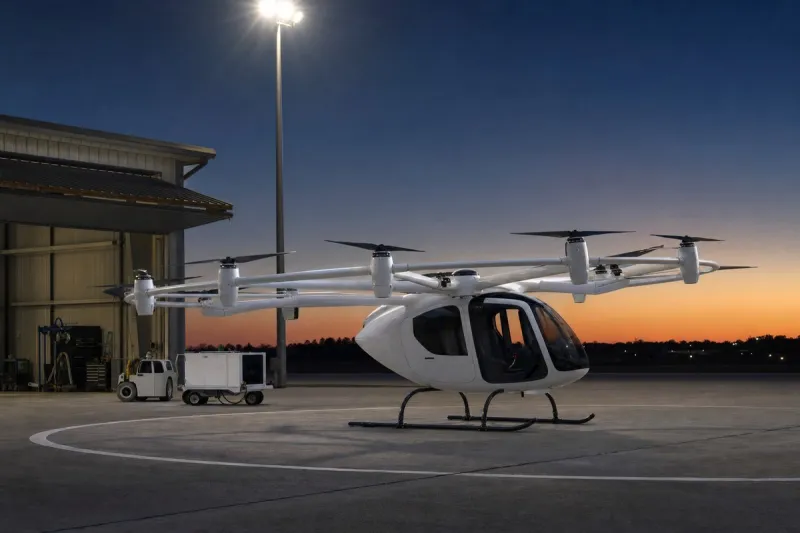
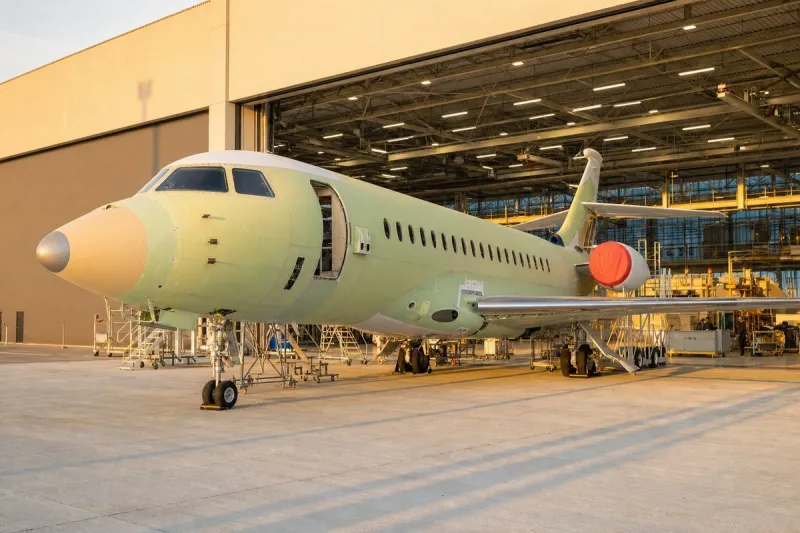
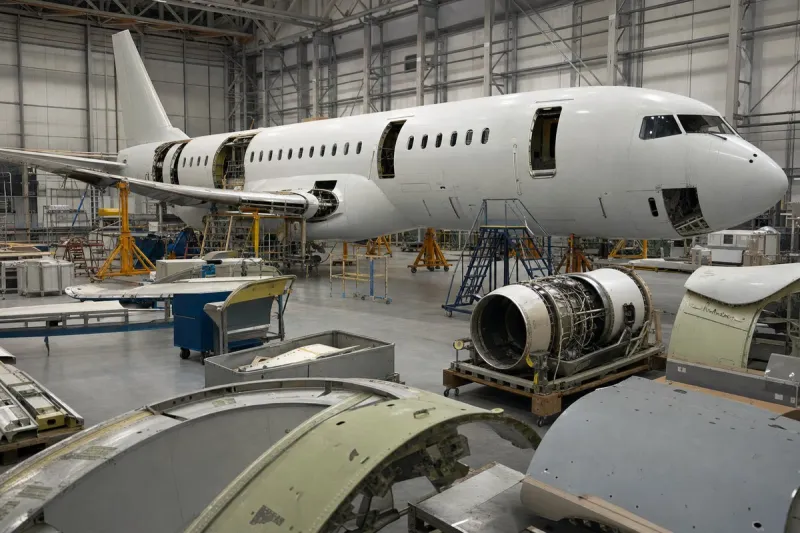
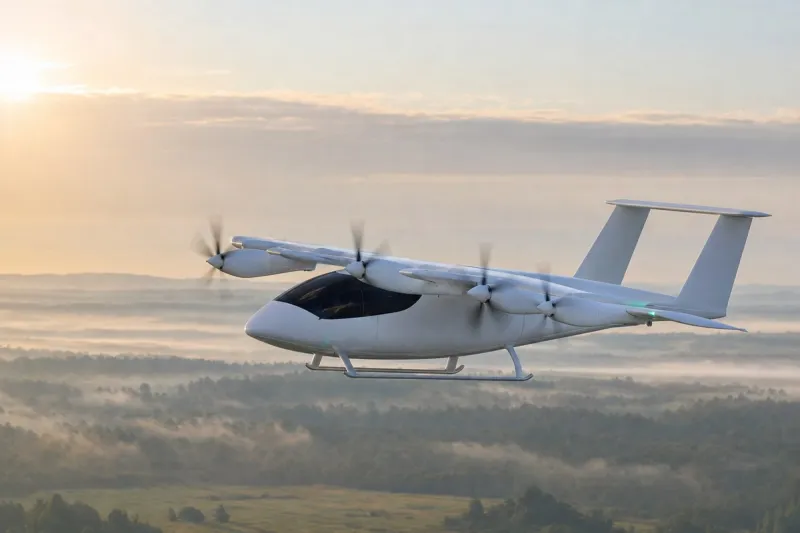
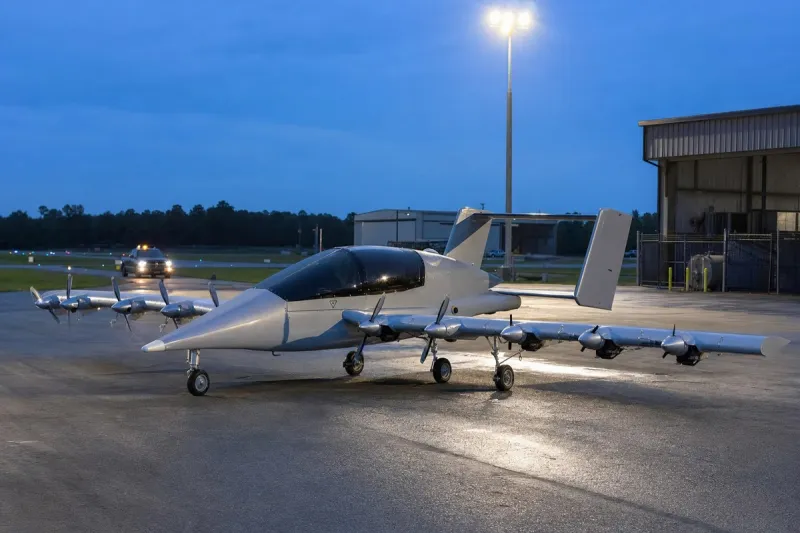
Vertical Aerospace opened its Aircraft Assembly Centre at Cotswold Airport on 24 September, giving the Bristol-based company a dedicated facility to begin manufacturing its production eVTOL aircraft, the Valo. The opening event featured a full-scale mock-up of the Valo and a live flight demonstration of the prototype VX4, which performed a vertical takeoff, extended wingborne flight, a 180-degree mid-air rotation and a vertical landing. CEO Stuart Simpson described the manoeuvre: "We're going to fly like an aircraft, and then we're going to stop. We're going to literally stop a four-tonne aircraft in mid-air, and land it like a helicopter."
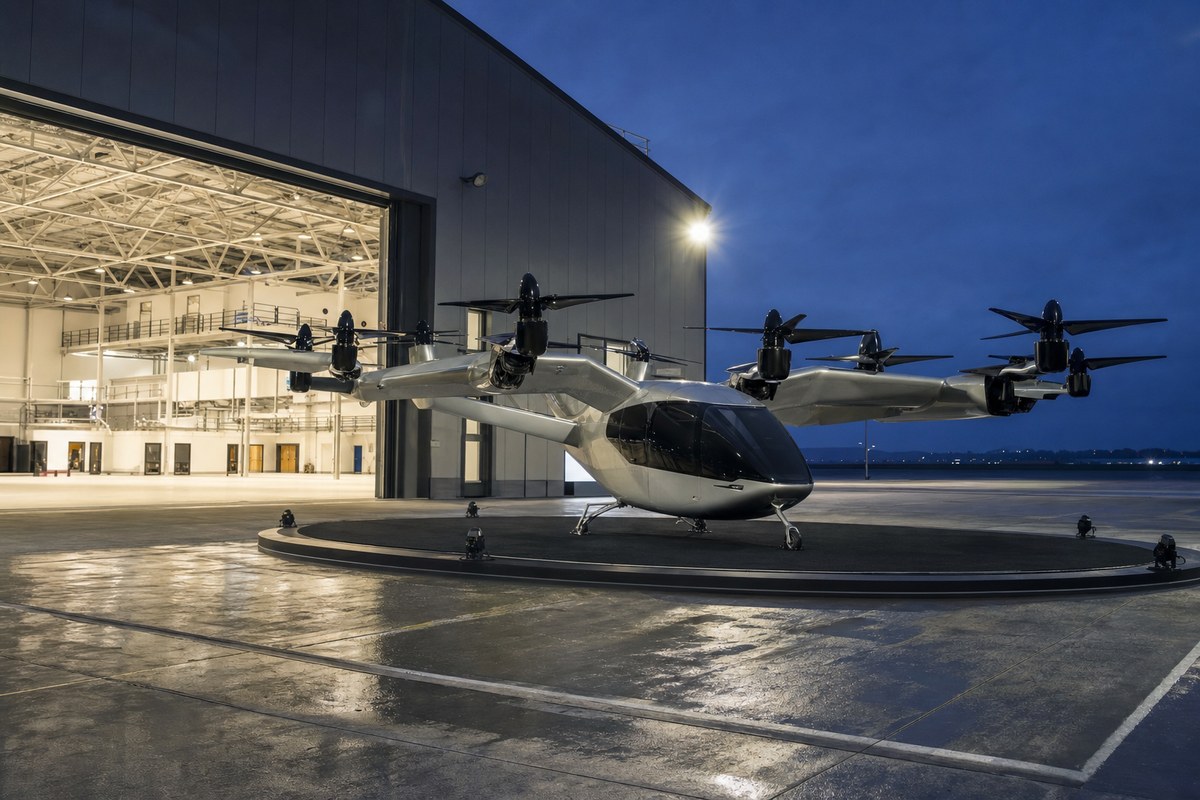
Vertical Aerospace is one of only two eVTOL developers, from an initial pool of approximately 200, to have achieved a full flight profile with complete transition to date. Across three prototypes, the company has completed nearly 120 flights, including five consecutive flying days at Farnborough Airshow in July. The new centre is housed in a World War II-era hangar formerly used by the RAF Red Arrows, refurbished at an estimated cost of £1.5 million, and adds 60,000 sq ft to Vertical's operations at Cotswold Airport, bringing its total footprint to approximately 130,000 sq ft.
Assembly of the first certification-conforming Valo is scheduled to begin in the fourth quarter of 2027, with its first flight planned for 2028. Five aircraft will fly during the certification programme, while two additional airframes will undergo ground-based structural testing. Chief test pilot Simon Davies said the production Valo's wing size and propeller arrangement remain almost identical to the prototype's, allowing aerodynamic knowledge from testing to carry forward. The Valo will integrate Sonaca airframe structures, Evolito electric propulsion units, Vertical's own batteries, and Honeywell flight-control and aircraft-management systems, and Simpson described the full-scale model shown at the opening as 99% representative of the final aircraft.
Following certification, the Cotswold Airport centre is expected to assemble more than 25 aircraft annually for early customer deliveries, with a potential third shift raising that figure to around 37. Simpson said there would eventually be "a factory to build up to 1,000 aircraft a year, and a gigafactory for the battery in two separate locations," with full-scale production plans expected to be announced later this year. On 24 September, Vertical also appointed Jefferies to explore potential financial and strategic partnerships, following approximately $100 million in financing announced in August; the company stated its certification programme would continue throughout the review. An expanded Vertical Energy Centre, also due to open this year, is intended to triple battery-production capacity over time.
Industry impact & what to watch
Vertical's announcement belongs to a phase eVTOL programmes reach once flight testing has demonstrated a full transition profile: physical manufacturing infrastructure gets built well before type certification is granted, because assembly lines, supplier integration and workforce training take years to stand up and cannot be compressed into the certification endgame. Standing up a dedicated centre now, with assembly of the first conforming aircraft not starting until the fourth quarter of 2027, reflects how capital-intensive advanced air mobility programmes must commit to fixed facilities and supplier relationships (Sonaca, Evolito, Honeywell) long before revenue flights are possible.
The production ramp Simpson described, from an initial run of 25-37 aircraft a year up to a stated ambition of 1,000, illustrates how these programmes plan around step-changes in capacity tied to shift patterns and, eventually, entirely separate battery gigafactories rather than incremental scaling of a single line. That gap between near-term output and long-term ambition is where execution risk concentrates, since each step depends on certification milestones that have not yet been reached.
The Jefferies mandate to explore financial and strategic partnerships, coming alongside roughly $100 million in fresh financing from August, points to how eVTOL developers are increasingly pairing manufacturing announcements with capital-raising activity to fund the gap between facility buildout and certified revenue. Whether Vertical's full-scale production plans, expected later this year, align with the pace of its certification programme and the outcome of the Jefferies review will determine whether the 1,000-aircraft figure remains an ambition or becomes a funded plan.