FAA Deploys AI Traffic System, Faces Philadelphia Outage, and Seeks Billions More for ATC Modernization
Why It MattersThe episode shows that air traffic modernization and legacy-infrastructure fragility are advancing in parallel, so funding requests keep climbing even as new tools go live.
What happened
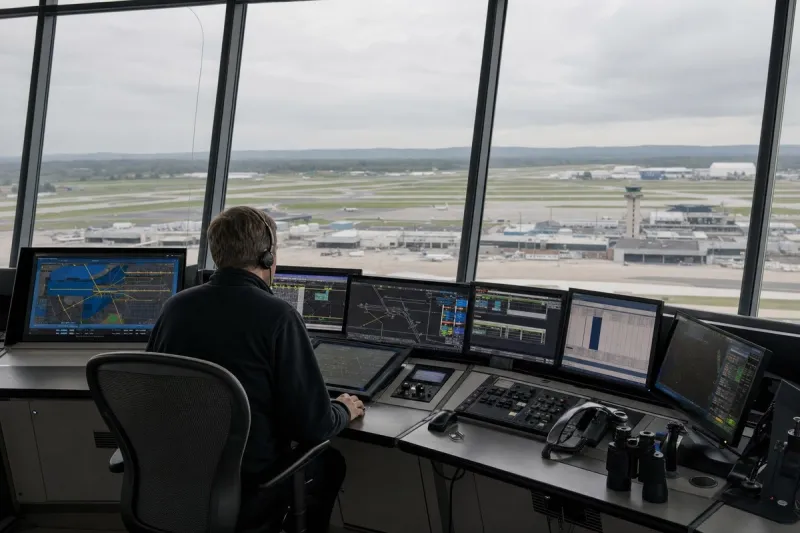
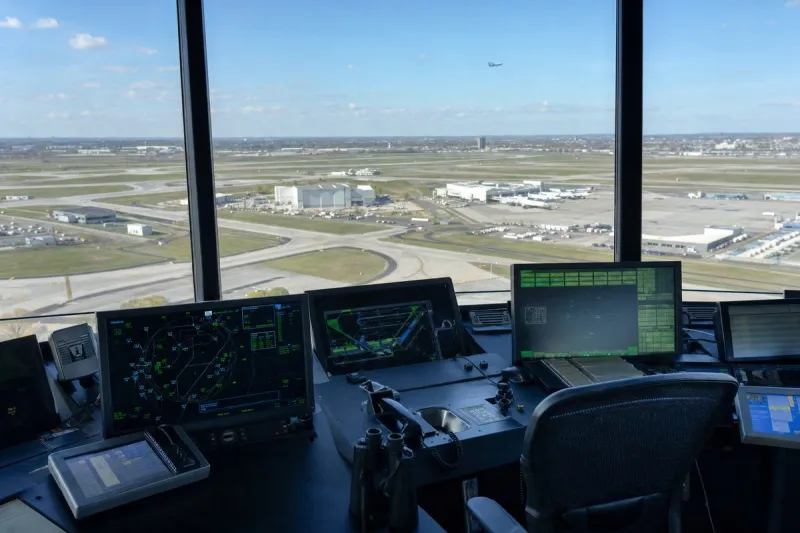
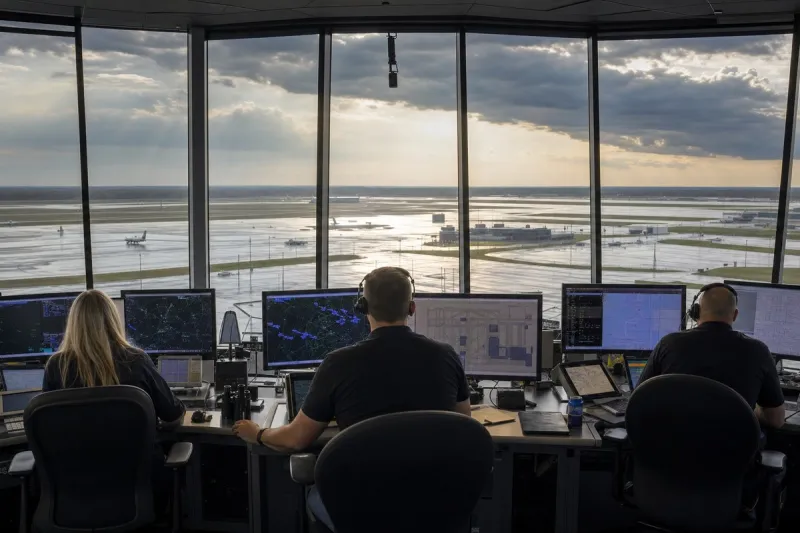
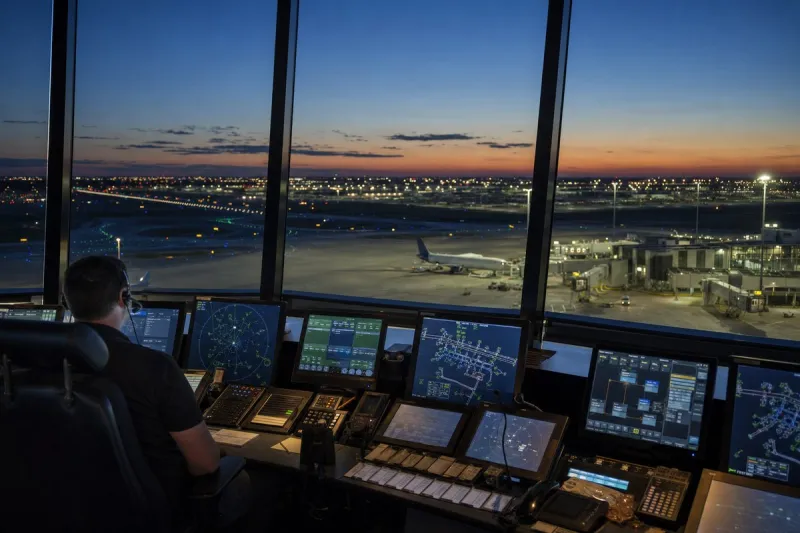
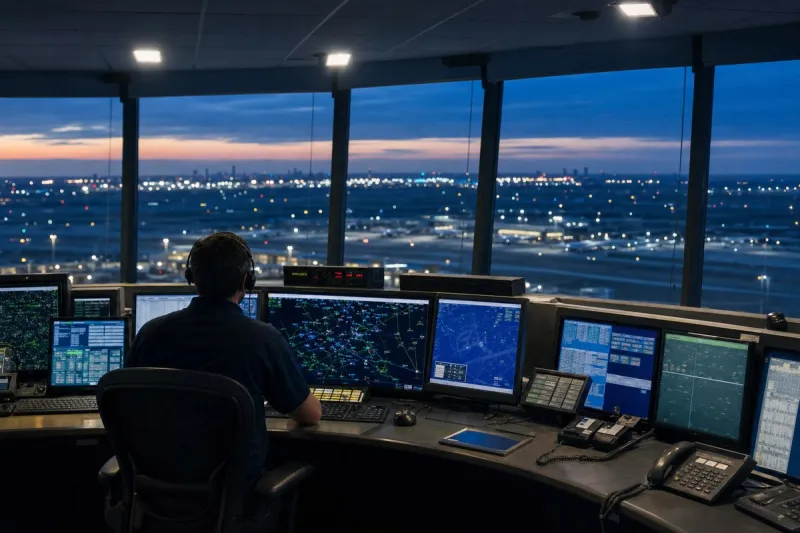
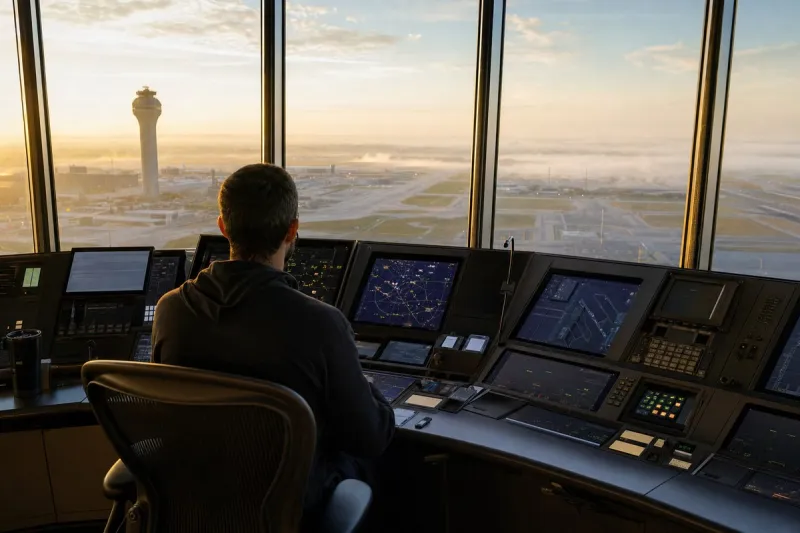
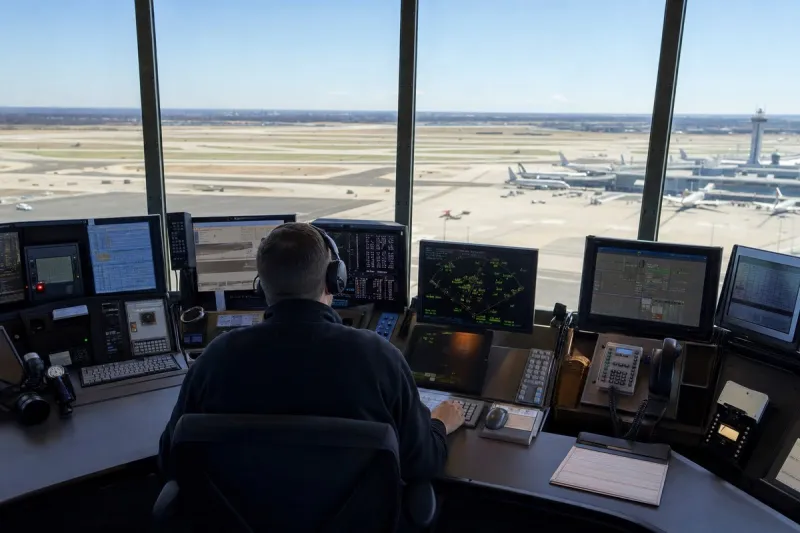
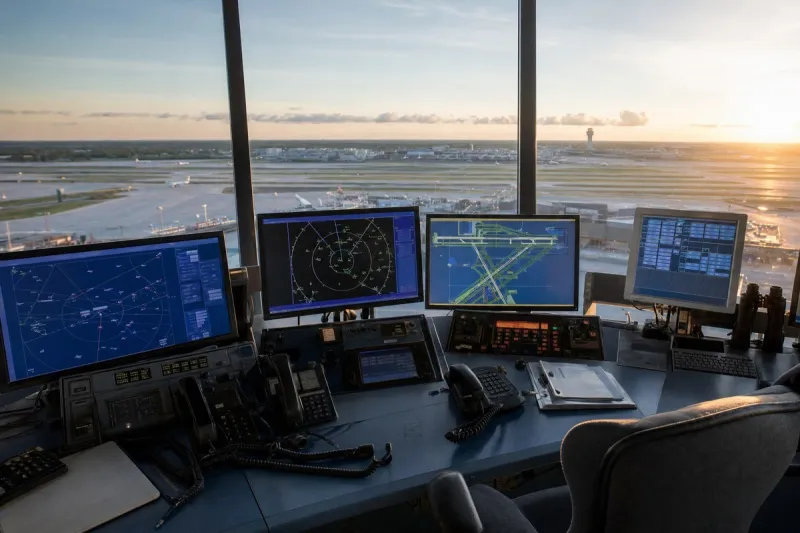
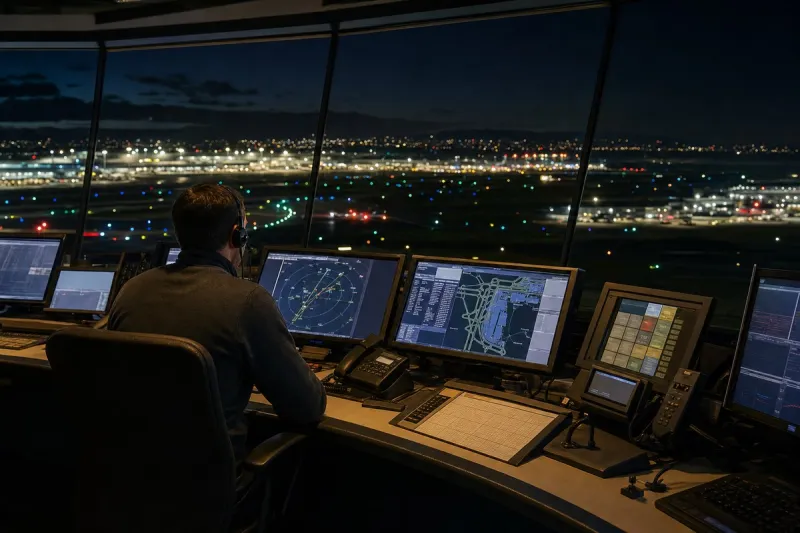
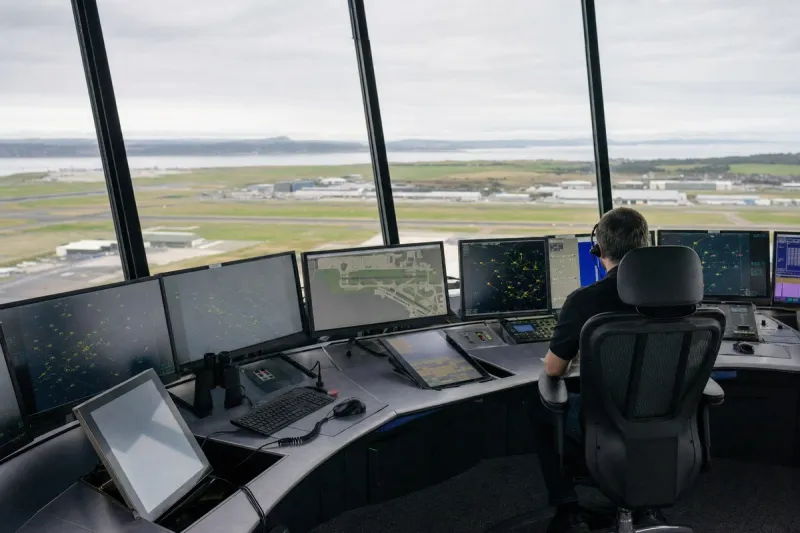
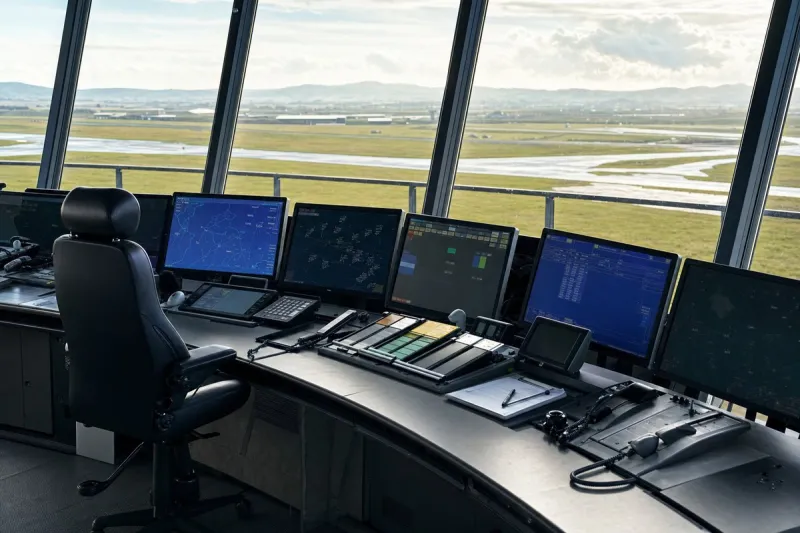
The FAA on Monday began limited operations of the Strategic Management of Airspace, Routes and Trajectories system, known as SMART, in the Washington, D.C. area. The system centralizes approximately 200 data streams covering weather, flight paths, traffic flow and controller staffing, using an AI-supported engine to help aviation specialists anticipate demand and airspace constraints. SMART operates within the FAA's broader Flow Management Data and Services (FMDS) program.
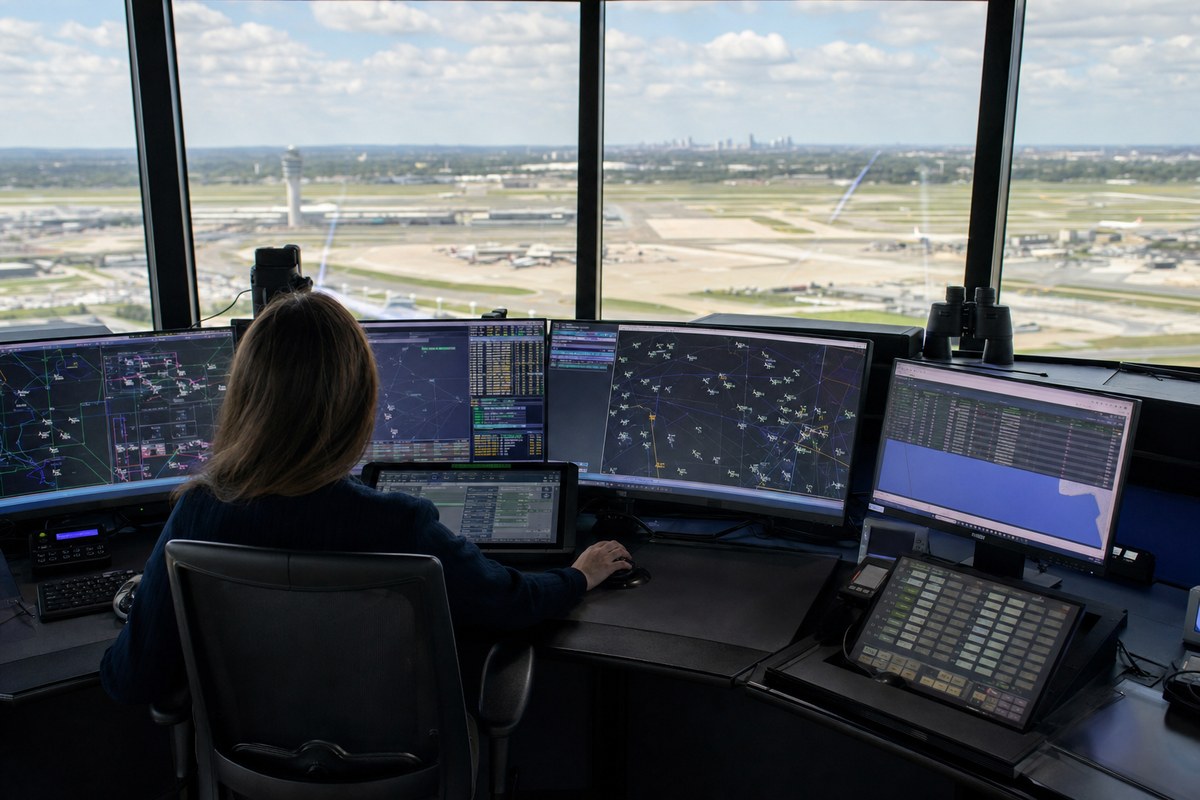
United Airlines CEO Scott Kirby said in the FAA's announcement that SMART could do more to reduce delays and cancellations than any development in decades. Airlines for America has endorsed the project, and American, Delta and Southwest have expressed support for a measured rollout. The National Air Traffic Controllers Association said it had not been involved in the design, testing or implementation of SMART and could not yet assess its effect on the workforce.
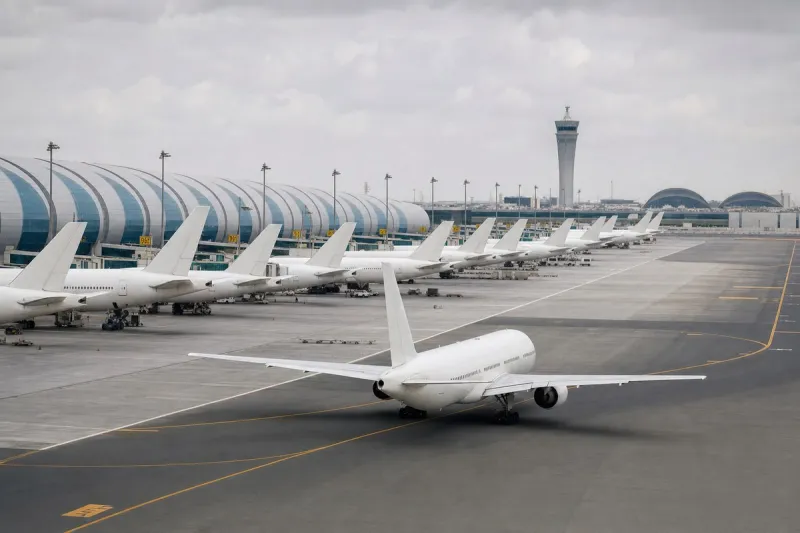
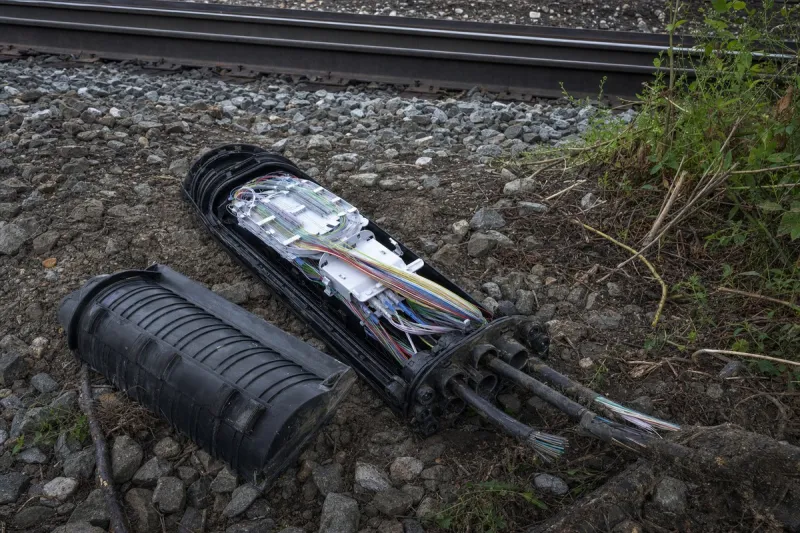
Hours after the SMART launch, a primary telecommunications circuit serving Philadelphia TRACON failed. The FAA found that a backup fiber-optic line between New Brunswick and Newark, New Jersey, had been severed during unrelated construction work. The agency initially paused arrivals at Philadelphia, Newark and Teterboro; restrictions later spread to JFK and LaGuardia, and Boston temporarily halted arrivals as well. Approximately 9,500 flights were ultimately delayed or canceled, with more than 100 others diverted. The FAA said crews repaired the telecommunications line.
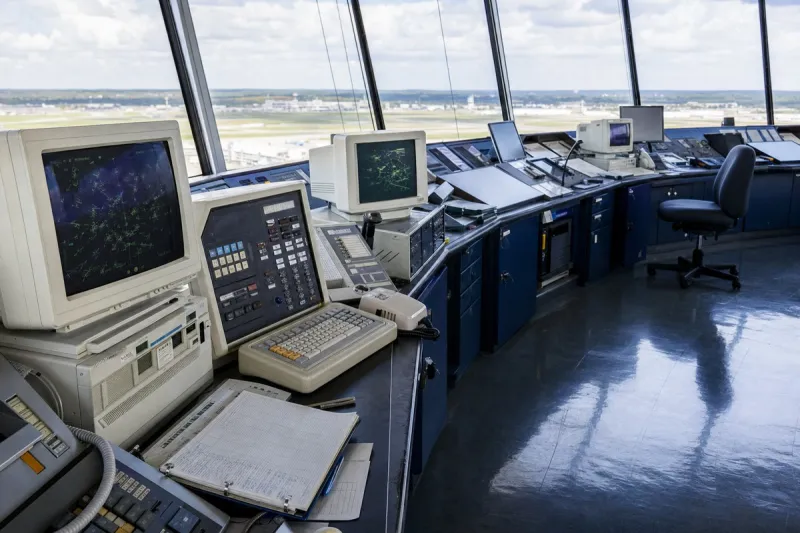
FAA Administrator Bryan Bedford told lawmakers this month that the agency had already replaced more than 64 percent of its copper-based Time-Division Multiplexing network as of September 1, converted more than 403 radio sites, installed surface-awareness systems at 101 airports and moved 21 towers from paper flight strips to electronic displays. The agency plans to replace 5,170 copper lines, transition nearly 30,000 telecommunications services to internet protocol, upgrade radios at 1,581 sites and replace 450 legacy voice switches.
Congress provided $12.5 billion for the first phase of the Brand New Air Traffic Control System initiative — $9 billion for systems modernization and $3.5 billion for facilities. Bedford has told lawmakers that Phase 1 will actually cost approximately $16 billion, with the agency planning to use its facilities and equipment budget to cover the gap. The Government Accountability Office found the FAA received $9.03 billion for systems work in Phase 1, while the agency's June estimate put those projects at $10.615 billion. On Tuesday, Transportation Secretary Sean Duffy announced the administration will seek an additional $30 billion from Congress, directing approximately $10 billion toward aging control towers, $10 billion toward telecommunications and other ATC technology, and $10 billion toward airport improvements. On Wednesday, Bedford told the Regional Airline Association's Leaders Conference that the FAA now estimates it needs about $27 billion in additional funding specifically for air traffic management modernization, arguing that without investment, flight delays and cancellations could cost the economy.
Industry impact & what to watch
The week's events show two tracks of the same modernization effort running at once: a new AI-supported flow-management tool going live in one region while a single severed fiber line hundreds of miles away cascaded into disruptions at five major airports. That pairing illustrates how air traffic control depends on physical telecommunications infrastructure as much as software, and why a backup circuit failing during unrelated construction work can still ground thousands of flights.
In this segment, modernization proceeds facility by facility and circuit by circuit — copper lines converted, radio sites upgraded, towers moved to electronic displays — so a single break in a backup line can still expose how much of the network is mid-transition rather than finished. Funding estimates have moved upward at every stage: the original $12.5 billion Phase 1 allocation is now put at roughly $16 billion by the agency's own account, with GAO citing a gap between the $9.03 billion received and the $10.615 billion June estimate for systems work, and Bedford now citing a further $27 billion need on top of Duffy's separate $30 billion request.
What happens next depends on whether Congress matches the FAA's escalating estimates with appropriations, and on whether the telecommunications backbone — the copper lines, radio sites and backup circuits still being replaced — proves resilient before SMART's rollout expands beyond the Washington, D.C. area.