Oil Executives Warn Global Fuel Crisis Has Arrived as Strait of Hormuz Closure Drains Reserves
Why It MattersProlonged Hormuz disruption and depleted strategic reserves signal a structurally tighter global crude and refined-products market with limited near-term relief levers.
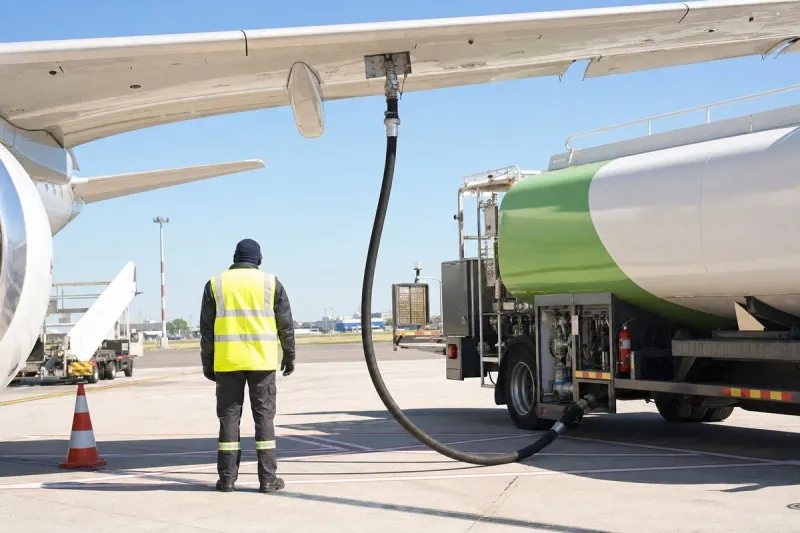
Top American oil executives say the global fuel crisis they had warned about for months has now arrived. Speaking at an energy conference in Austin, Chevron chief executive Mike Wirth said the mechanisms that had cushioned price and supply risk have largely played out, leaving the market without earlier buffers, and that prices are unlikely to ease anytime soon.
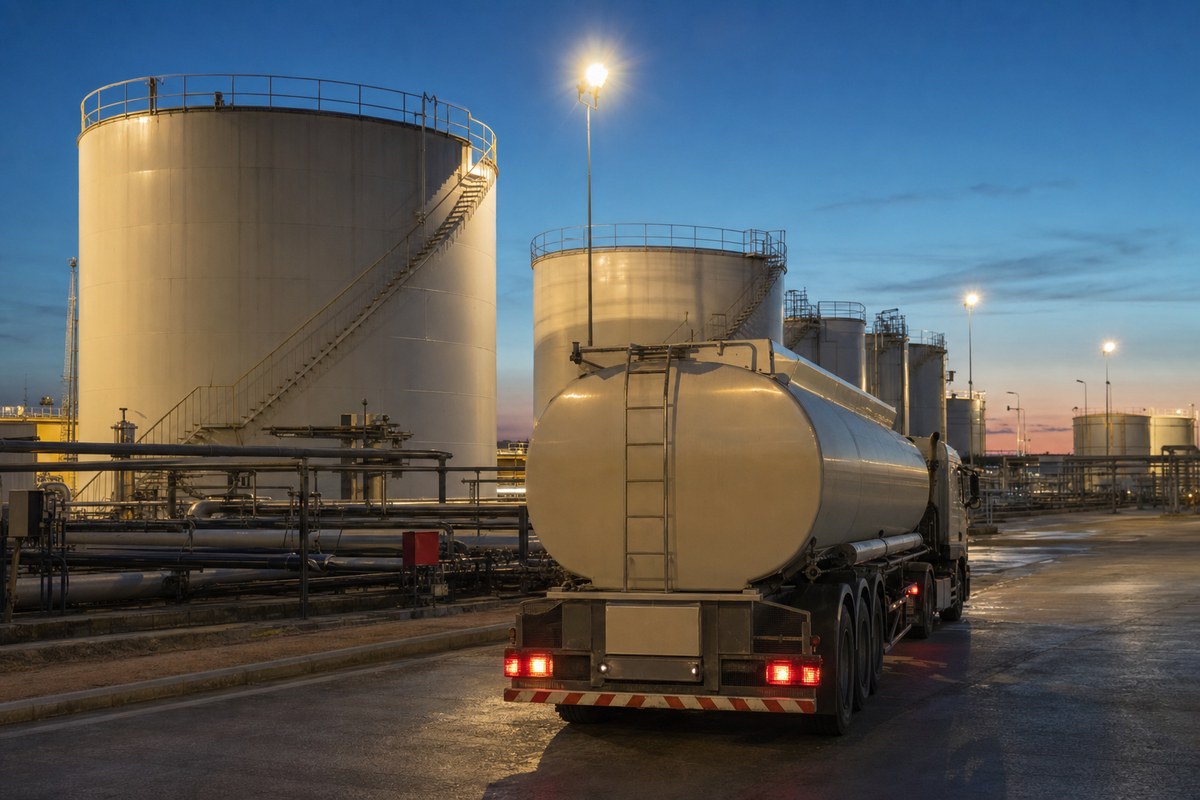
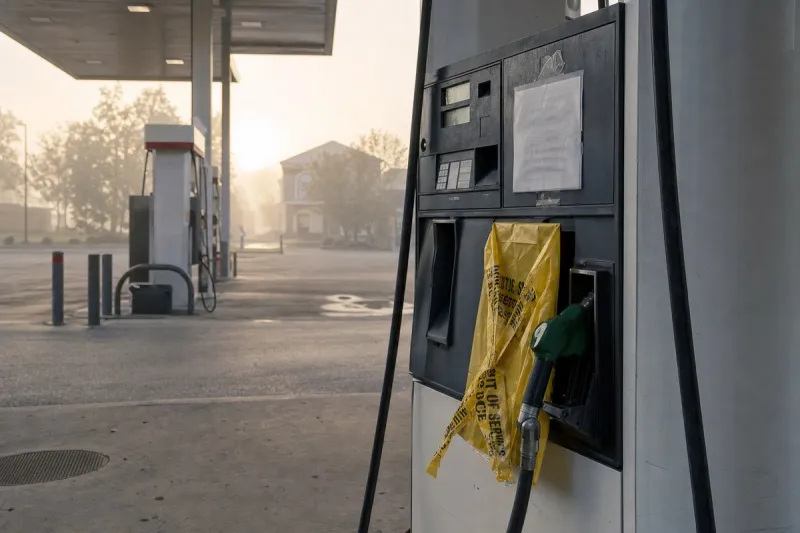
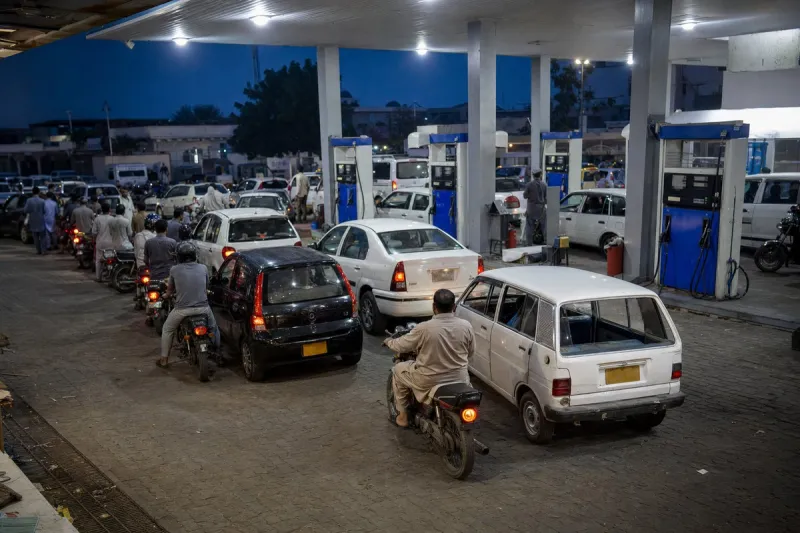
Commercial fuel stocks worldwide have been depleting for more than six months, and strategic crude reserves cannot be tapped much further as the prolonged closure of the Strait of Hormuz continues to squeeze supply. Attacks last week knocked out a major Saudi crude pipeline that had bypassed the Strait, stranding an estimated 2.5 million barrels a day from an already tight market, according to analyst estimates. Attacks on tankers and energy infrastructure continue on multiple fronts, including recent Houthi strikes on Saudi infrastructure from Yemen.
US crude has risen roughly 19% over the past three weeks to trade near $101 a barrel. Diesel prices have climbed to record highs near $6.20 a gallon, while petrol has rebounded to around $4.30 a gallon after briefly dipping below $4 earlier this summer. China's resumption of larger international crude purchases, after months of drawing down its own reserves, has added further pressure to global supply, according to energy executives and advisers.
The Trump administration has continued to describe the disruption as temporary. Interior Secretary Doug Burgum pointed to efforts to boost Venezuelan oil production and expand US refining capacity as the main levers available to ease prices, and pushed back on speculation that the White House is considering a temporary ban on US refined product exports, arguing it would not meaningfully help domestic prices. With no resolution to the conflict in sight, energy advisers say investors are bracing for the disruption to run well beyond the November midterms.