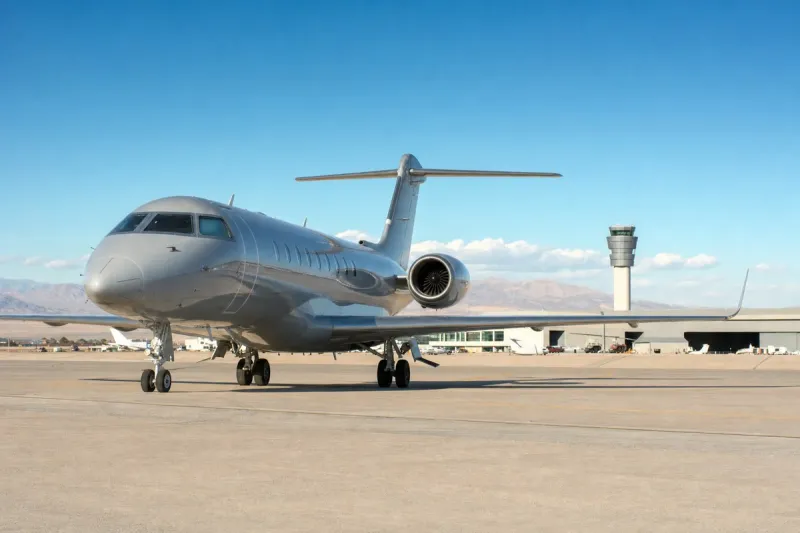
North American Jet Card Rates Fall 3.1% in Q3 2026 to $10,958/hr, Lowest Since Q4 2023
Why It MattersFalling turboprop supply after OneFlight's pause and PlaneSense's PC-12 sellout shows jet card pricing and availability now hinge as much on provider exits as on demand, even as headline rates ease.
What happened
North American jet card hourly rates averaged $10,958 at the end of Q3 2026, down 3.1% from Q2 2026 and down 2.7% year-over-year, according to analysis by Private Jet Card Comparisons. The figure is the lowest since Q4 2023 and remains 23.7% above the pre-COVID Q4 2019 level. Excluding turboprops, the average hourly rate was $11,422.
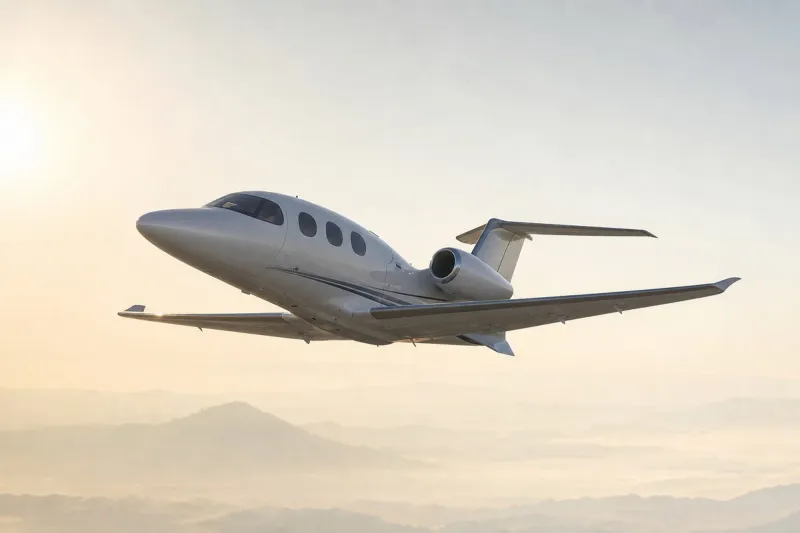
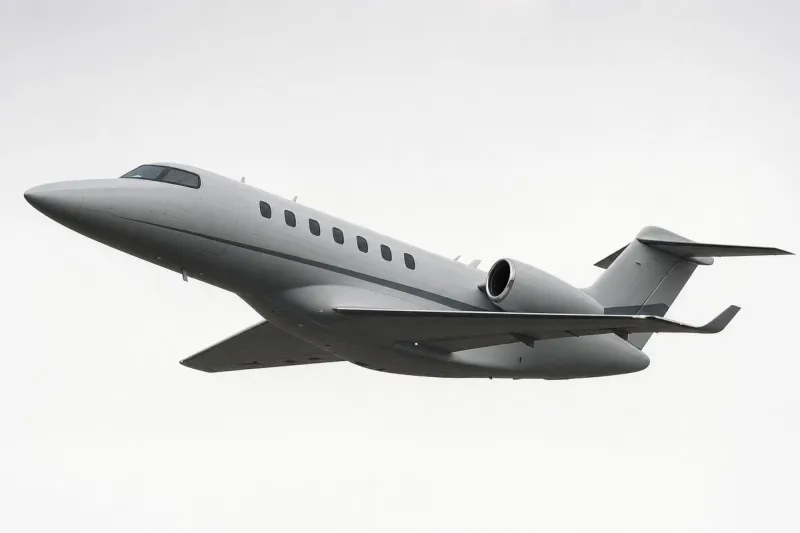
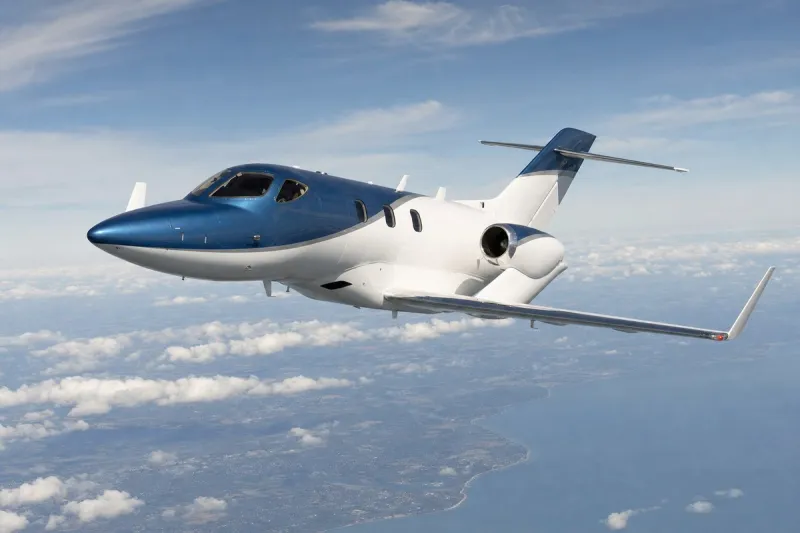
By aircraft category at end of Q3 2026, hourly rates were: Turboprops $5,022; Very Light Jets $7,341; Light Jets $8,333; Midsize Jets $9,607; Super Midsize Jets $12,485; Large Cabin Jets $14,791; Ultra Long Haul Jets $19,433. Turboprops fell 19.9% quarter-to-quarter, Very Light Jets fell 4.5%, and Large Cabin Jets fell 2.9% — the largest declines. Ultra-Long-Haul Jets rose 1.2% and Midsize Jets rose 0.5%, the only categories to post quarter-to-quarter increases.
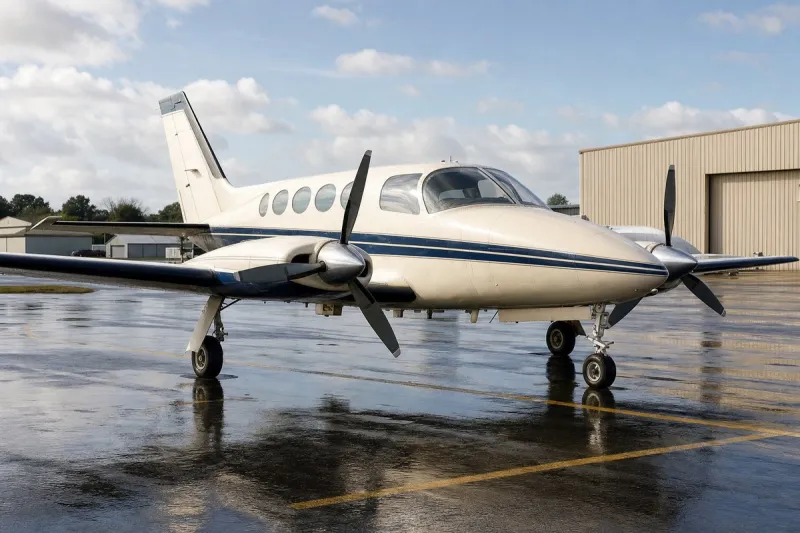
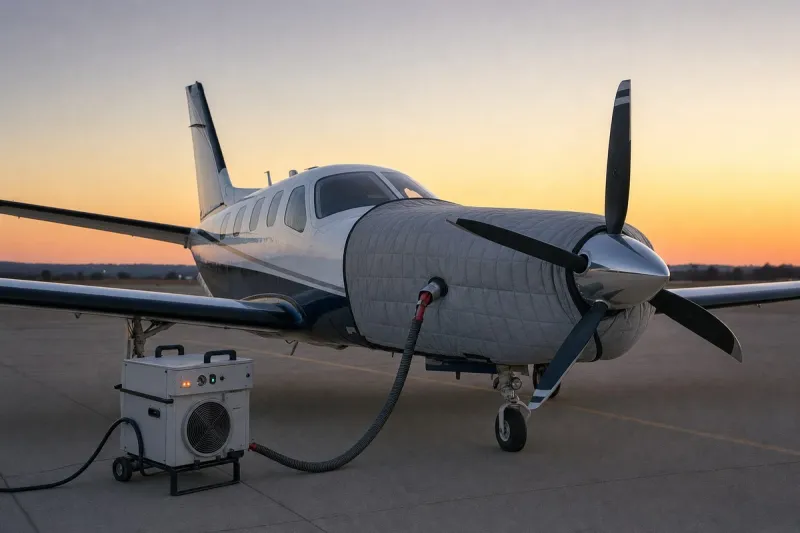
The turboprop category was significantly affected by OneFlight, which had offered over 100 aircraft-specific rates including more than a dozen turboprop rates, pausing operations in mid-September. Fractional operator PlaneSense also halted sales of its Pilatus PC-12 turboprop jet card, citing sellout. NetJets stopped selling jet cards to new clients, though existing clients can renew and those programs remain in the analysis. Q3 also marked the debut of fixed-rate guaranteed availability on piston aircraft through new provider JetSafe, which offers three programs at $3,144 per hour.
Daily minimums rose from 92.9 to 95.0 minutes quarter-to-quarter, and from 85.1 to 95.0 minutes year-over-year, compared with 86.2 minutes before COVID. Light jet daily minimums increased to 78.9 minutes from 72.8 minutes quarter-to-quarter. Peak days were essentially flat at 45.3, down marginally from 45.4 in Q2, but up from 36.5 in Q3 2025 and 98.5% higher than the pre-COVID figure of 22.8 days. The non-peak booking callout decreased slightly to 64.8 hours from 65.9 hours quarter-to-quarter, but remained 4.4% longer year-over-year, versus a pre-COVID average of 23.2 hours.
The Private Jet Card Comparisons database covers more than 1,000 programs from over 80 providers and recorded 56 updates during Q3 2026, compared with 44 in Q2 2026, 115 in Q1 2026, 45 in Q4 2025, and 41 in Q3 2025. The analysis focuses on entry-level jet cards defined as those with fewer than 50 hours, with hourly pricing including base rate, fuel surcharges, and 7.5% Federal Excise Tax. Doug Gollan, President and Editor-in-Chief of Private Jet Card Comparisons, said: "The one thing that is constant is that pricing, rules, and policies of jet cards continue to change. However, consumers like jet cards because once they find a good match for their specific needs, most programs lock in pricing and terms for 12 months and sometimes longer."
Industry impact & what to watch
The headline decline sits alongside a split picture: entry-level categories like turboprops and very light jets got cheaper while ultra-long-haul and midsize rates edged up, which means the average masks diverging dynamics by aircraft size rather than a uniform softening of demand. Daily minimums and peak-day counts rising even as headline rates fall shows operators are managing cost through usage terms rather than price alone.
Jet card markets price access as much as hours: minimums, peak-day surcharge windows, and callout notice periods are the mechanisms providers adjust when fleet capacity tightens, and Q3's figures show all three moving against buyers even as the per-hour number dropped. The turboprop category's sharp 19.9% quarterly fall followed supply disruption — OneFlight pausing operations and PlaneSense halting PC-12 sales on sellout — which thinned the field of programs feeding that average rather than reflecting cheaper flying becoming available.
What happens to pricing once OneFlight's pause and NetJets' halt to new jet card sales fully work through the next quarterly count, and whether JetSafe's fixed-rate piston entrant draws more competitors into that segment, will determine whether this quarter's dip holds or reverses.