Veryon Acquires Polaris Aero, Adding Safety Management Software and Over 200 Customers to Its Aviation Suite
Why It MattersThe deal shows aviation software consolidation increasingly hinges on combining safety and maintenance datasets to power AI-driven risk and decision tools rather than on product lines alone.
What happened
Veryon has acquired Polaris Aero, a Scottsdale, Arizona-based safety management solutions company that has served aircraft operators and MROs worldwide since 2007. The deal adds more than 200 new customers to Veryon's portfolio.

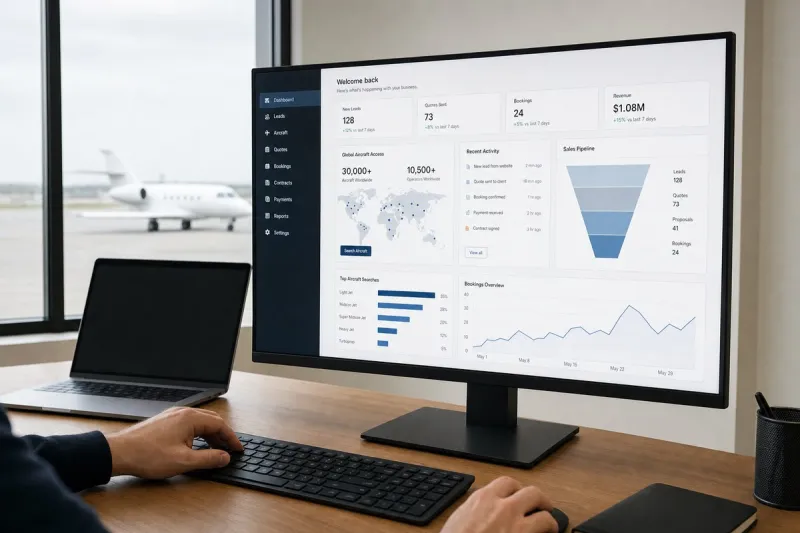
Polaris Aero's products — VOCUS SMS, FlightRisk, and GroundRisk — are used by corporate flight departments, charter operators, and MROs to manage compliance, assess risk, and enhance operational safety. Those products, along with existing contracts and support arrangements, will continue unchanged as Polaris Aero operates as its own business unit during a transition period, after which both companies will implement a long-term integration plan.
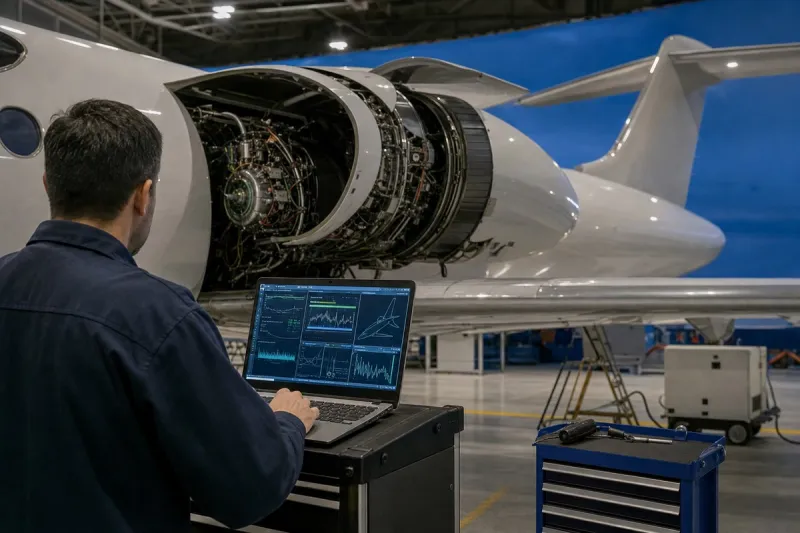
The acquisition combines Polaris Aero's dataset — comprising de-identified data from more than 112,000 safety reports, over 32 million FlightRisk assessments, and over 174 million flight hazards — with Veryon's existing dataset of more than 100 million maintenance events. The combined data is expected to enhance Veryon AIRE, the company's AI-powered data intelligence platform. Bethany Little, Chief Executive Officer of Veryon, said the deal is "a pivotal step towards a better alignment between aviation safety and maintenance, enabling smarter and safer decisions across every phase of customers' operations." Chris Connor, Chief Executive Officer of Polaris Aero, called it "an exciting next chapter," saying the combined companies can integrate safety and maintenance "in ways that deliver more value, more efficiency, and ultimately, safer operations for our customers." Veryon serves more than 5,500 customers, 75,000 maintenance professionals, and over 100 OEMs in nearly 150 countries.
Industry impact & what to watch
This transaction fits a broader move in aviation software toward bundling safety management with maintenance data rather than selling each as a standalone tool. Corporate flight departments, charter operators, and MROs increasingly rely on software vendors to unify compliance, risk assessment, and maintenance records into one system, since fragmented data across separate platforms limits how well an operator can spot patterns across its own operation.
The scale of the datasets involved — safety reports, risk assessments, flight hazards, and maintenance events all numbering in the tens of millions or more — points to why AI-driven platforms like Veryon AIRE depend on acquisitions like this one for training data as much as for customer count. Whether the promised long-term integration plan actually merges Polaris Aero's safety data with Veryon's maintenance records into a single decision layer, or whether the two product lines stay operationally separate behind a shared brand, will determine whether customers see the smarter, safer decisions both CEOs described.