Flying to Russia: How Sanctions, Conflict-Zone Rules and Airspace Bans Are Reshaping Routes for Airlines and Travelers
Why It MattersAirspace access now hinges on shifting sanctions and conflict-zone risk guidance rather than geography alone, forcing carriers and travelers to continuously reassess routing, insurance and payment options.
What happened
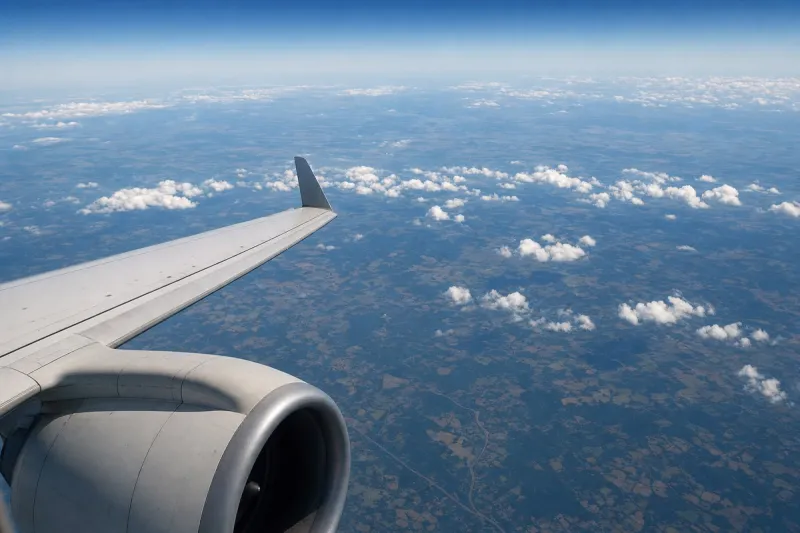
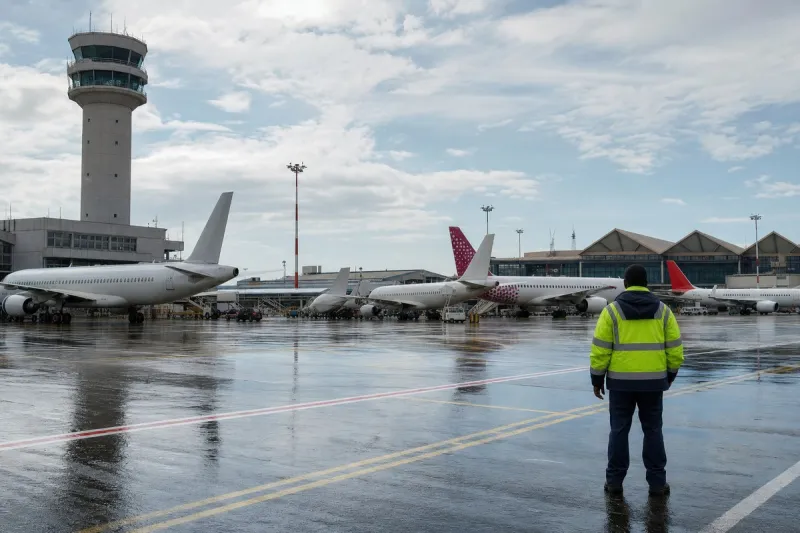
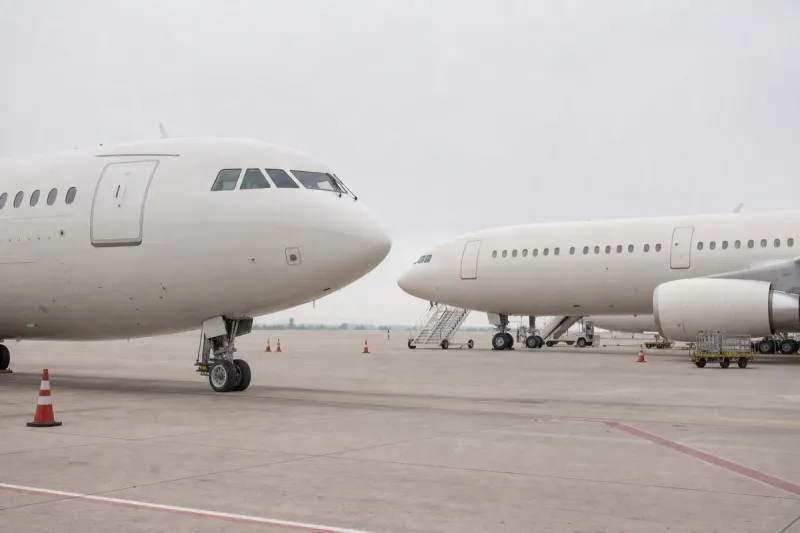
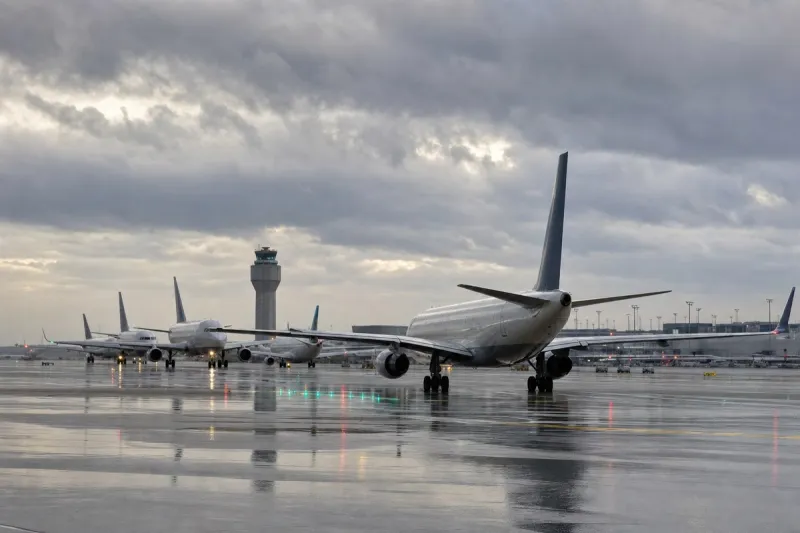
Since Russia launched its full-scale invasion of Ukraine in 2022, Russian and Western airspace have effectively split into separate systems. The United States, Canada and the European Union closed their skies to aircraft owned, operated or controlled by Russian entities, while Russia imposed reciprocal bans on many Western carriers. These restrictions have forced airlines from Europe, North America and several Asia-Pacific states to avoid Russian airspace entirely, rerouting long-haul flights between Europe and East Asia over Central Asia, the Middle East or the North Pacific.

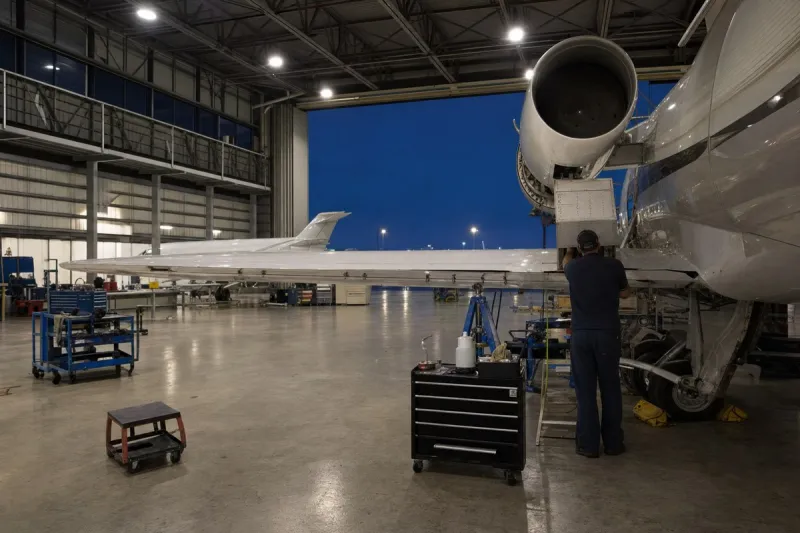
EU sanctions have restricted Russia's domestic aviation sector's access to spare parts and technical support for aircraft originally built in the EU, the United States or Canada, which make up a large share of Russia's commercial fleet. External analysts have warned that limited maintenance access could affect long-term airworthiness, though detailed reliability data is scarce.
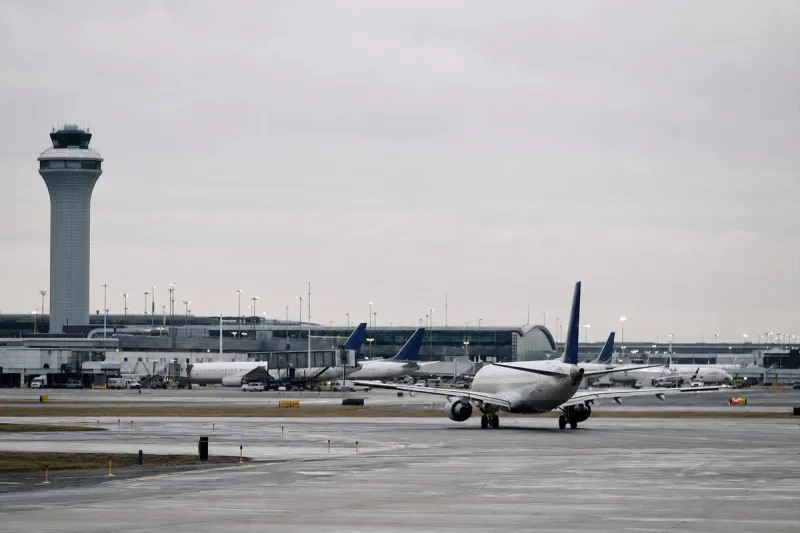
Despite Western restrictions, Russia continues to receive international flights from countries that have not imposed full bans. Route data shows direct services to Russian cities from hubs in Turkey, Belarus, the South Caucasus, Central Asia, the Middle East, China and parts of North Africa. Carriers including Turkish Airlines, Pegasus Airlines, Belavia, Air Serbia and several Middle Eastern and Asian operators serve these links alongside Russian carriers Aeroflot and Rossiya. Travelers from the US and much of Europe typically connect through Istanbul, Belgrade, Dubai, Yerevan or Tashkent. Some non-Western long-haul carriers, including certain airlines from India, the Gulf region and parts of Asia, continue to route flights across Siberia on services between Asia and North America.
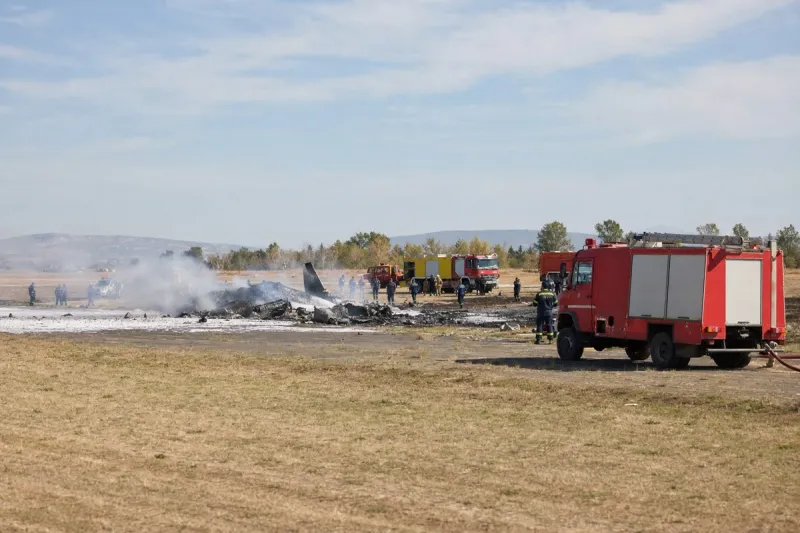
Conflict-zone risk guidance has tightened since the 2014 downing of Malaysia Airlines Flight MH17 over eastern Ukraine. Following a Dutch Safety Board inquiry into that disaster, the International Civil Aviation Organization developed a risk assessment manual for civil operations over or near conflict zones. The EU Aviation Safety Agency maintains conflict-zone information bulletins covering Russian and Belarusian airspace, framing the environment as a dynamic conflict-related risk, and the Flight Safety Foundation has urged compliance with such guidance.
For individual travelers, Western government advisories generally recommend against travel to Russia or warn of heightened security risks. Insurance policies may exclude coverage for sanctioned destinations or certain carriers, and payment restrictions can complicate ticket purchases on Russian airlines. Aviation experts advise travelers to check whether a chosen carrier is subject to operating bans in major markets and to consult official travel advisories before booking.
Industry impact & what to watch
This case shows how a single conflict can produce two parallel aviation systems: one built around Western sanctions and reciprocal Russian bans, another sustained by carriers based in Turkey, the South Caucasus, Central Asia, the Middle East and China that never joined the restrictions. Route economics and political alignment, not just geography, now determine who can fly where.
Conflict-zone risk assessment has become a standing discipline rather than an occasional bulletin. The ICAO manual developed after the MH17 inquiry and EASA's ongoing bulletins on Russian and Belarusian airspace mean operators weighing a Siberian overflight must continuously reconcile fuel and time savings against a risk picture that can shift without much notice.
What remains unresolved is the durability of Russia's fleet under sustained parts and maintenance restrictions, since analysts flagged the concern but reliable data on airworthiness trends is scarce. Whether route availability through hubs like Istanbul, Dubai or Tashkent stays stable, or whether individual carriers face new bans in major markets, is the detail travelers and operators will need to keep checking against official advisories rather than assume it is fixed.