Bangor International Airport Runway Closed for Pavement Repairs Until Thursday
Why It MattersAirports increasingly time major runway pavement repairs to favorable weather windows, weighing short-term flight disruption against the longer-term cost of repeated temporary fixes.
What happened
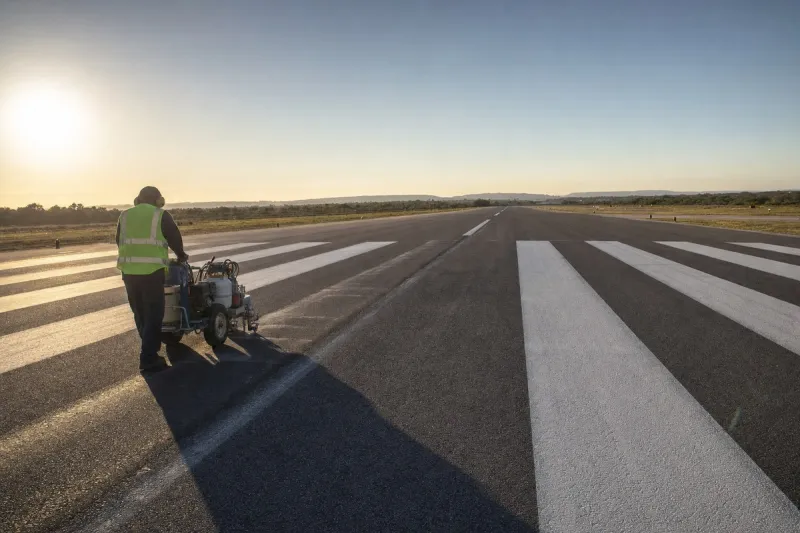
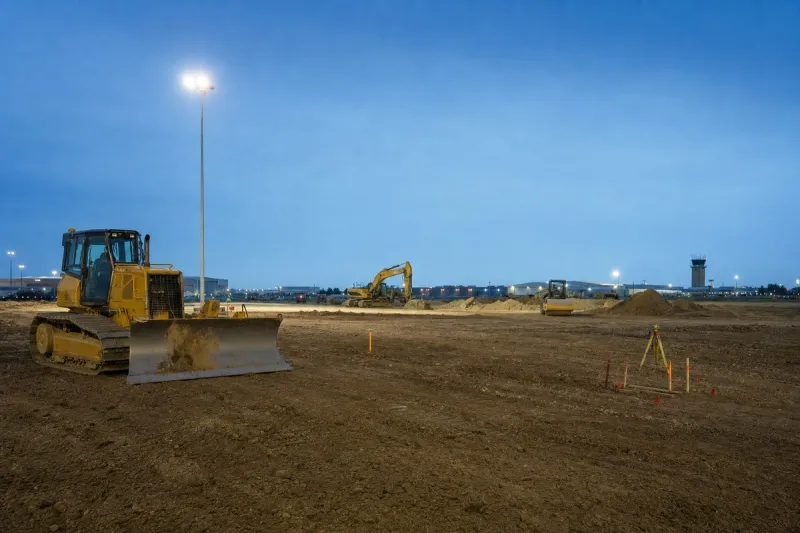
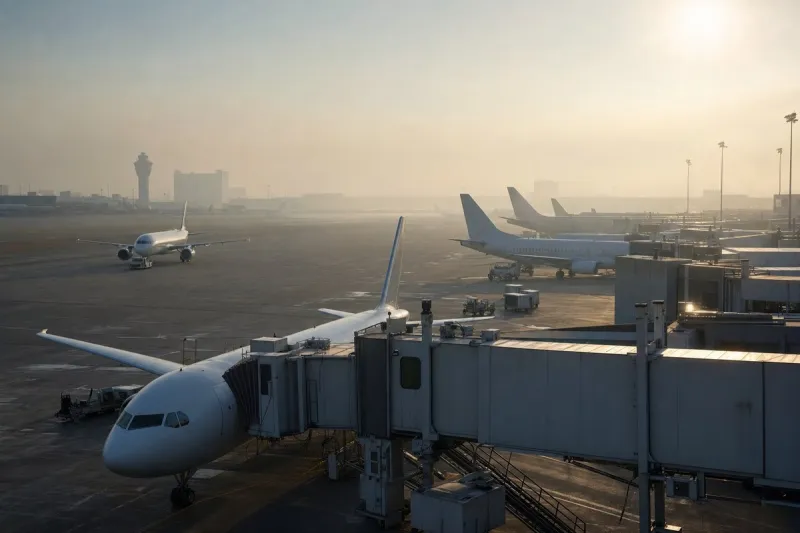
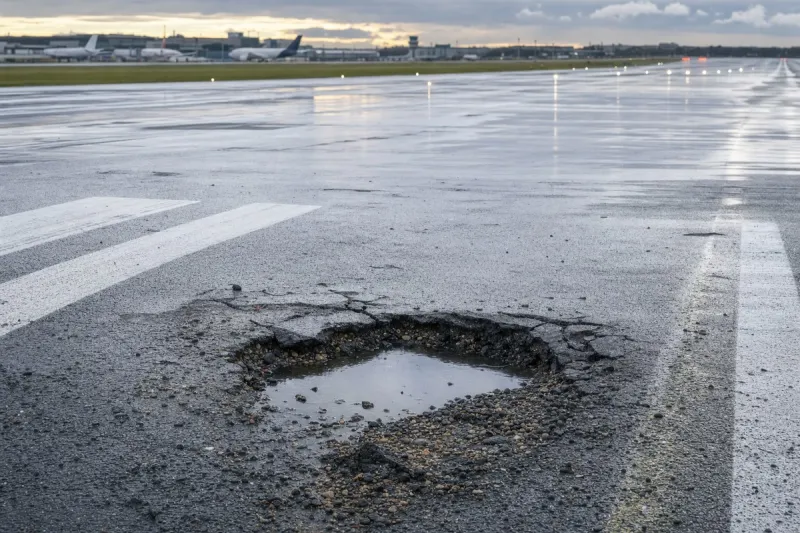
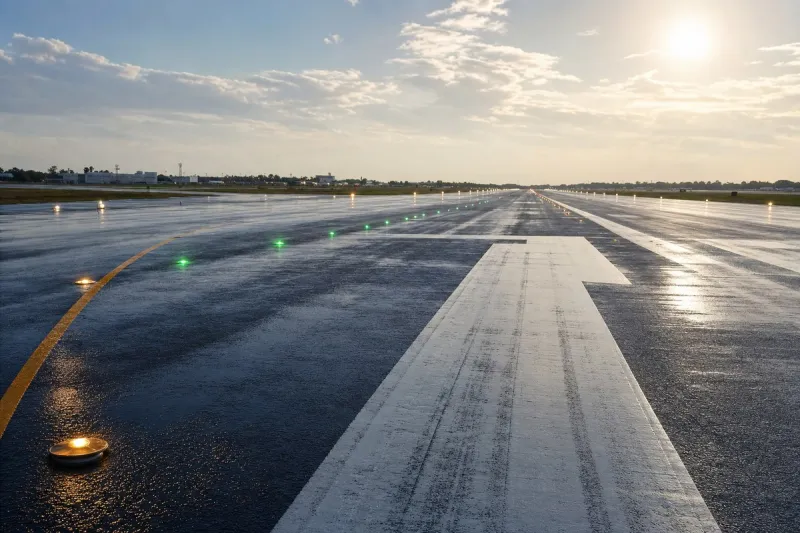
Bangor International Airport (BGR) in Bangor, Maine, closed its runway on Monday, September 21, 2026, for multi-day pavement repairs, with a scheduled reopening at 3 p.m. Thursday. Airport officials said routine inspections identified a section of the runway requiring permanent repairs due to alkali-silica reaction, described as a naturally occurring condition that affects concrete pavement over time.
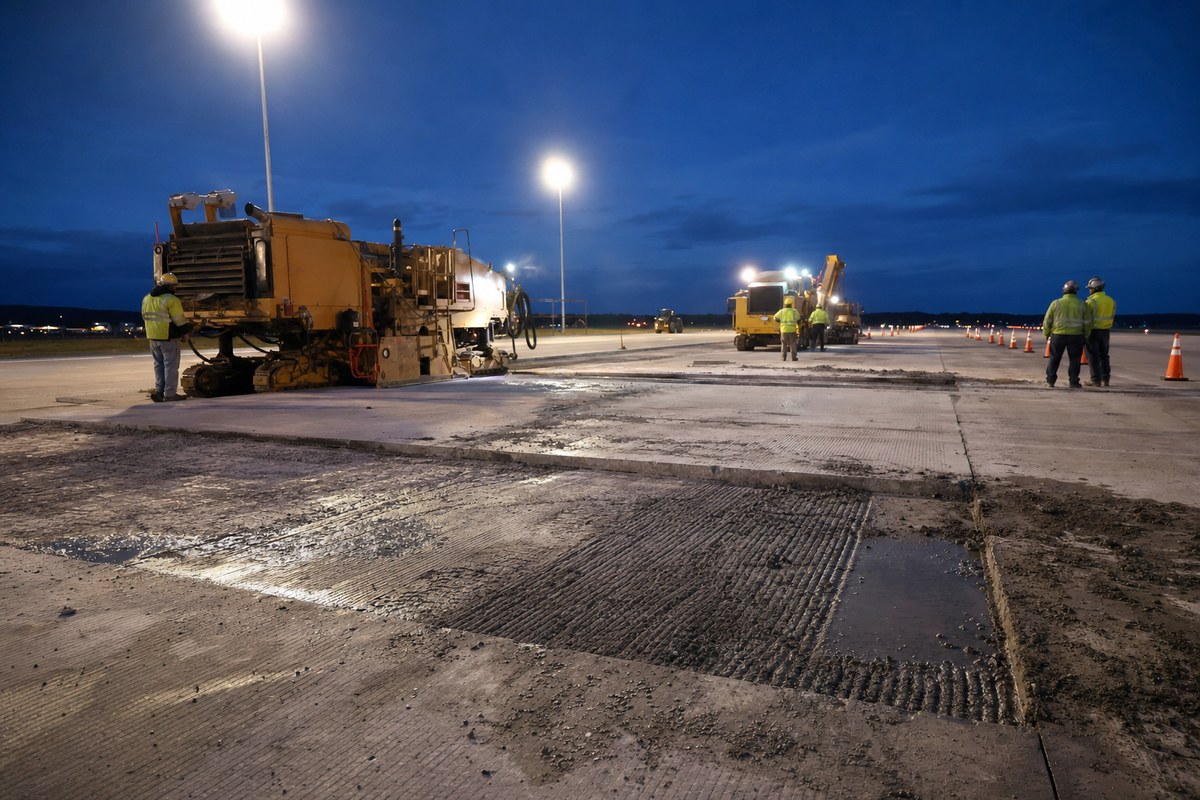
Temporary repairs had previously been made based on recommendations from the airport's engineering consultants to keep the runway safe. After continued evaluations, both the airport's engineering team and the Federal Aviation Administration (FAA) recommended completing the permanent repairs while weather conditions were favorable. Officials said addressing the issue now will preserve the long-term integrity of the runway, reduce the need for future temporary repairs, and help ensure continued safe and efficient airport operations.
Helicopter operations at the airport will continue as normal during the closure. Airport officials also noted that while flight operations are paused, crews will carry out additional infrastructure work throughout the airport, some of which will require planned power interruptions that may leave airport phone service temporarily unavailable. People unable to reach the airport by phone were advised to use an online contact form or send a direct message to BGR via Facebook.
Industry impact & what to watch
Runway pavement conditions like alkali-silica reaction tend to worsen gradually, and airports often choose a multi-day full closure over repeated temporary patches once engineers and regulators agree the underlying problem needs a permanent fix. Scheduling that work for a favorable weather window, as BGR's engineering team and the FAA did here, is a common way to limit how long a closure has to last.
Keeping helicopter operations running while fixed-wing traffic is paused shows how airports segment operations during a runway closure rather than shutting the field entirely. The parallel infrastructure work and planned power interruptions also point to airports using a scheduled closure to bundle other maintenance that would otherwise require separate disruptions.
The reopening at 3 p.m. Thursday is the next fixed point to watch, and whether flight operations resume on that schedule will show whether the permanent repair held to its planned timeline.