Argentina Airport Strike Postponed; Union Warns Action Could Resume September 7
Why It MattersEssential-service mandates give governments a lever to keep air travel largely intact during labor disputes, but unresolved pay and funding disagreements can still leave a strike threat hanging over near-term operations.
What happened
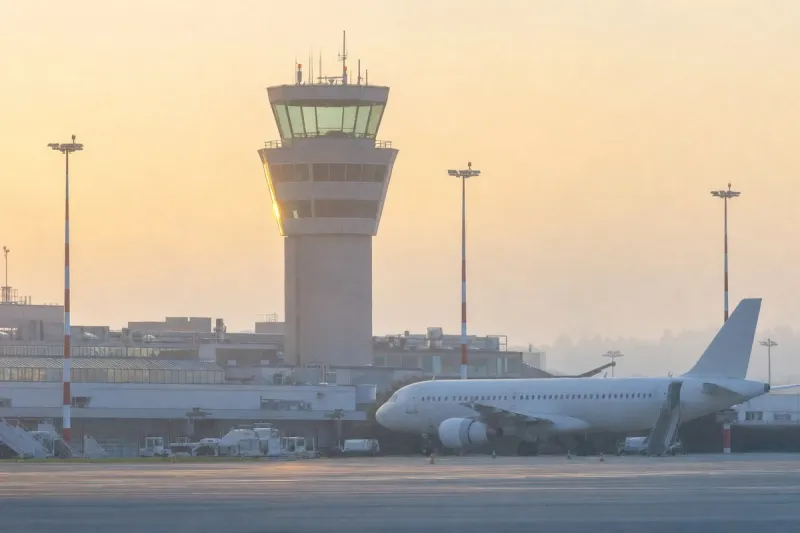
Argentina's Asociacion de Trabajadores del Estado (ATE) postponed a planned 48-hour airport strike on September 3, 2026, just hours before it was due to begin, after the government invoked essential-service rules requiring at least 75 percent of normal air services to be maintained. ATE represents workers at the Administracion Nacional de Aviacion Civil (ANAC), Argentina's civil aviation authority, including ground traffic coordinators, airport firefighters, safety inspectors, and administrative staff — not airline employees, who had not called the stoppage.
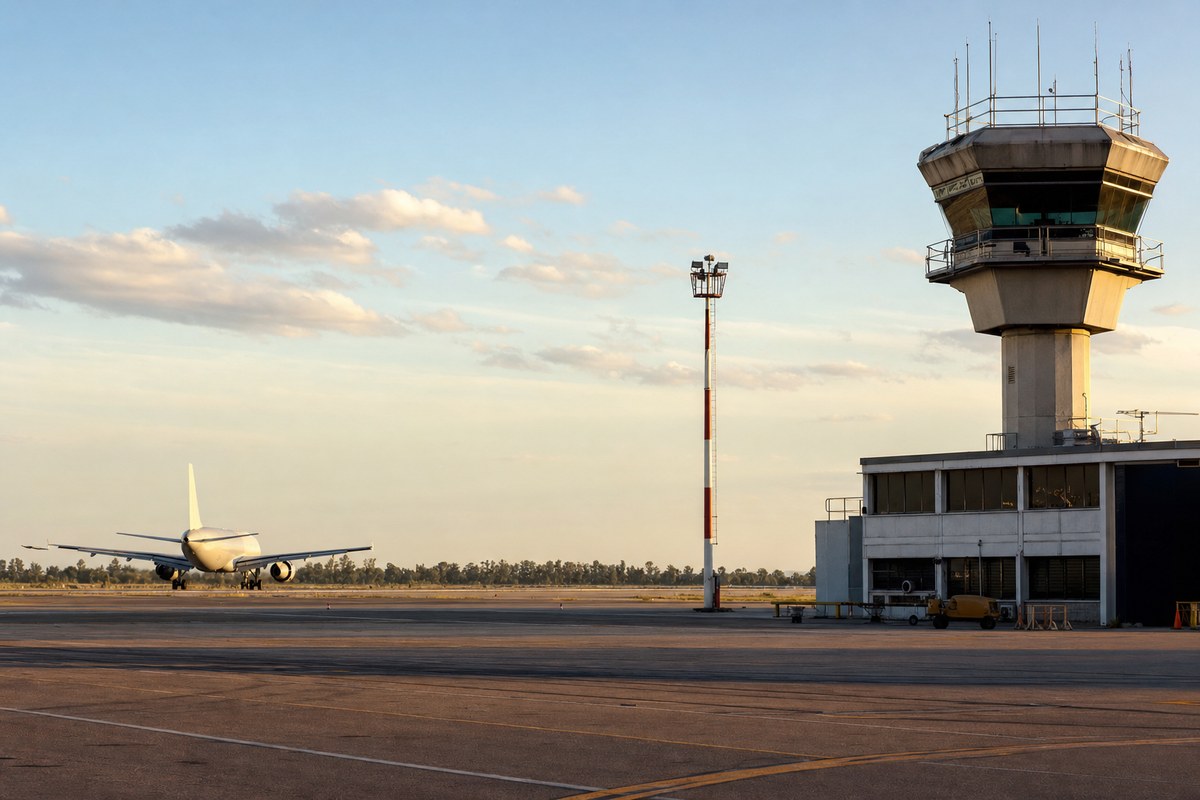
The strike had been scheduled to run from September 3 to 4, with work stoppages set for 09:00-12:00 and 18:00-21:00 local time each day at more than 27 airports nationwide, including Ministro Pistarini International Airport (Ezeiza) and Aeroparque Jorge Newbery in Buenos Aires. ATE said it paused the action after the Labor Ministry convened a meeting to define how the essential-service rule applies to ANAC staff.
ATE assistant general secretary Mercedes Cabezas said the union was willing to negotiate, while national secretary Rodolfo Aguiar warned that if the talks produce no agreement, the union could relaunch the strike from Monday, September 7. Flights are operating normally while the meeting is pending. The underlying dispute involves salary increases ATE says the government agreed to but has not paid since January 2026, the reopening of sectoral collective bargaining for ANAC staff, and additional funding for airport fire services (SSEI) and safety oversight.
Industry impact & what to watch
This case shows how essential-service designations function as a circuit breaker in aviation labor disputes: they do not resolve the underlying grievance, but they cap the operational damage by forcing minimum staffing on safety-critical roles like firefighting and inspection while negotiations continue. Because ANAC staff sit behind the scenes rather than in cockpits or cabins, a strike by this group threatens airport-wide disruption across dozens of facilities at once rather than being contained to a single carrier or route.
The dispute itself centers on concrete, checkable items: back pay ATE says was promised but unpaid since January 2026, a collective bargaining process the union wants reopened, and funding levels for fire and safety oversight. Whether the September 7 deadline holds will depend on what the Labor Ministry's meeting produces, and whether ATE judges any offer sufficient to call off a renewed stoppage. Passengers and airlines flying through Ezeiza, Aeroparque, or the other affected airports have a concrete date to watch: whether talks conclude before Monday, September 7.