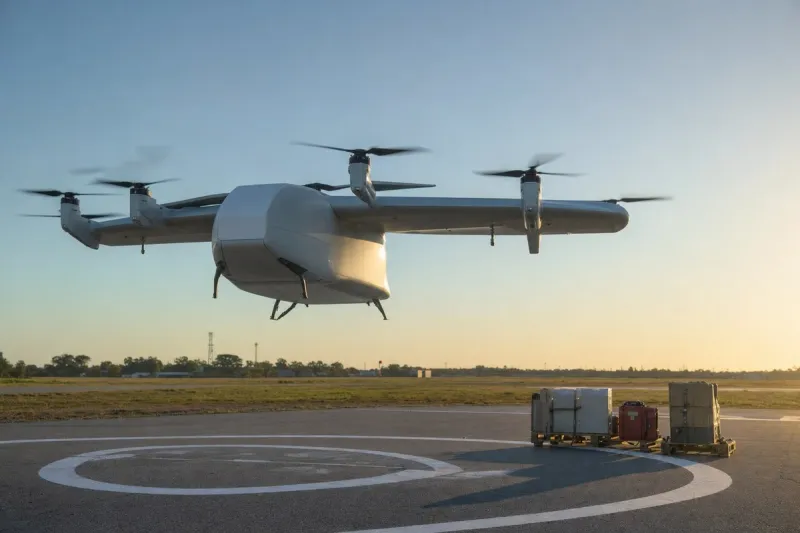
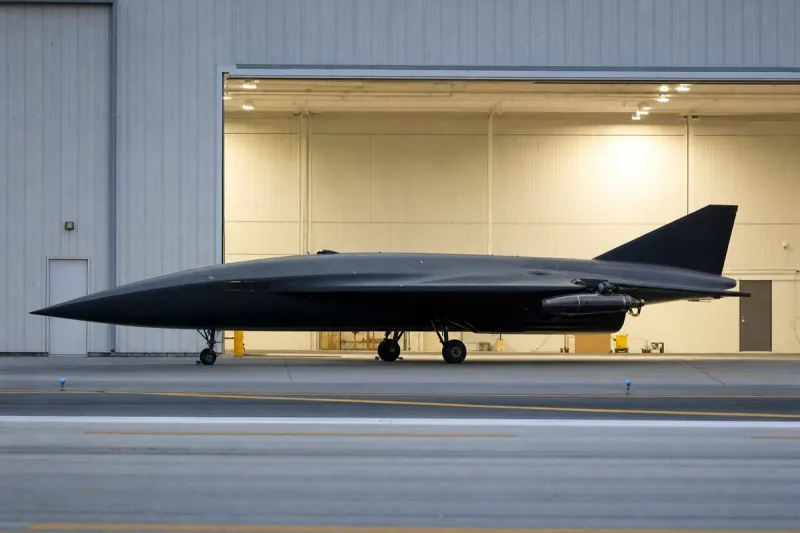
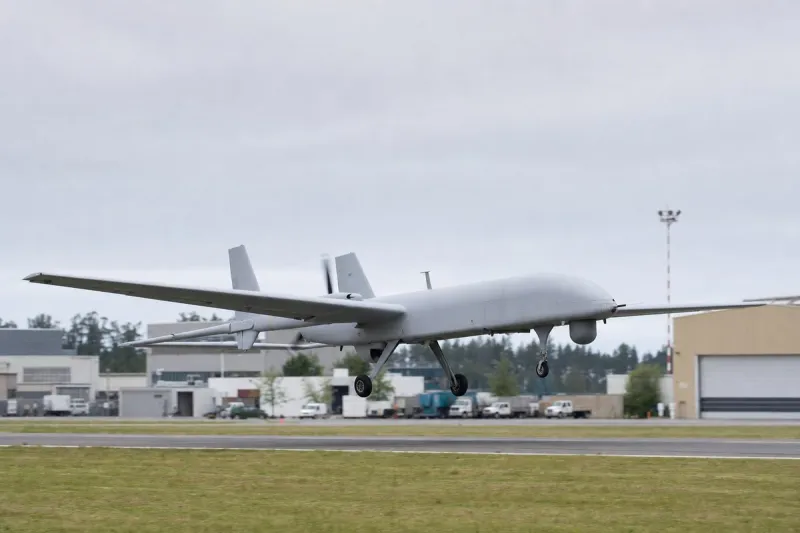
Aevum's Ravn X autonomous drone completes first taxi tests at Long Beach Airport
Why It MattersA successful taxi test keeps an alternative air-launch concept alive for small-satellite deployment, even as the program trails years behind its original schedule.
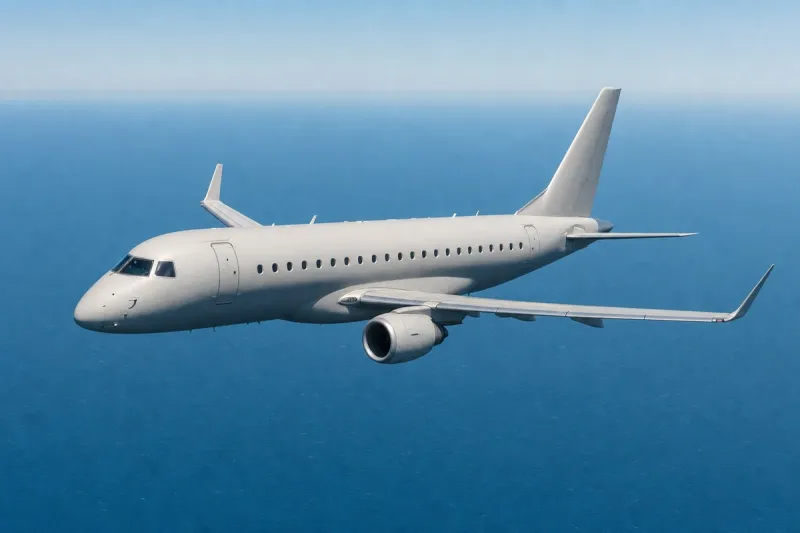
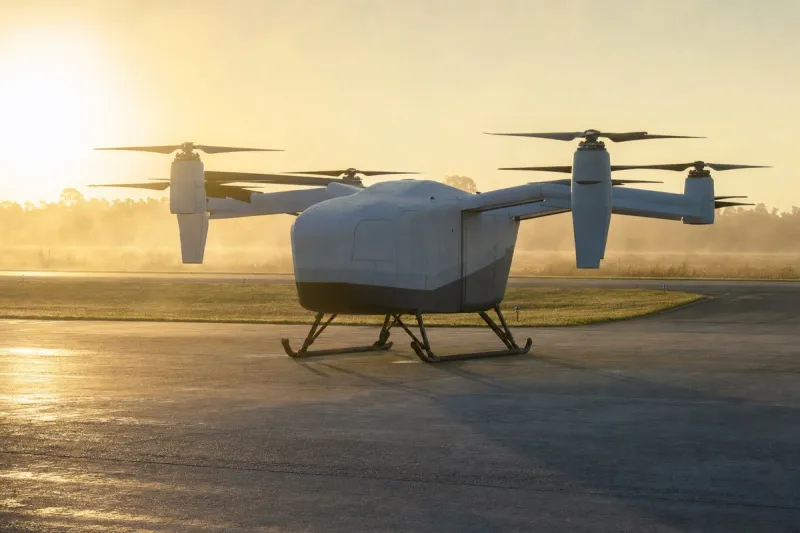
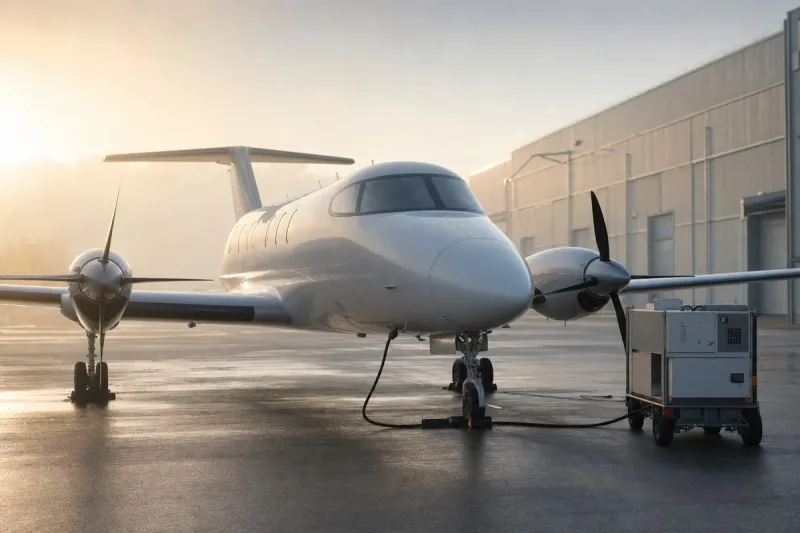
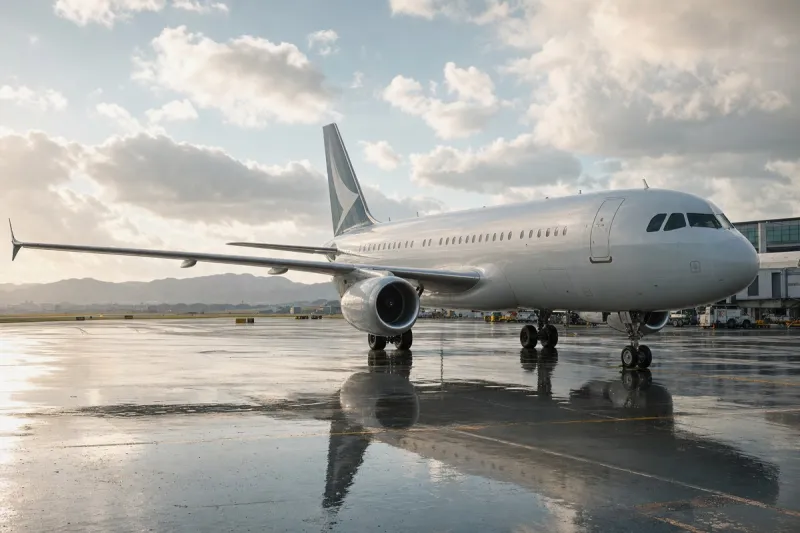
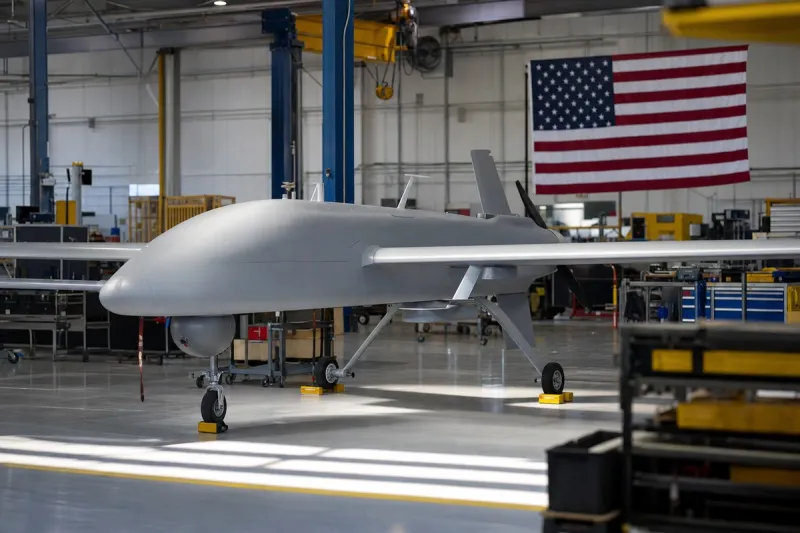
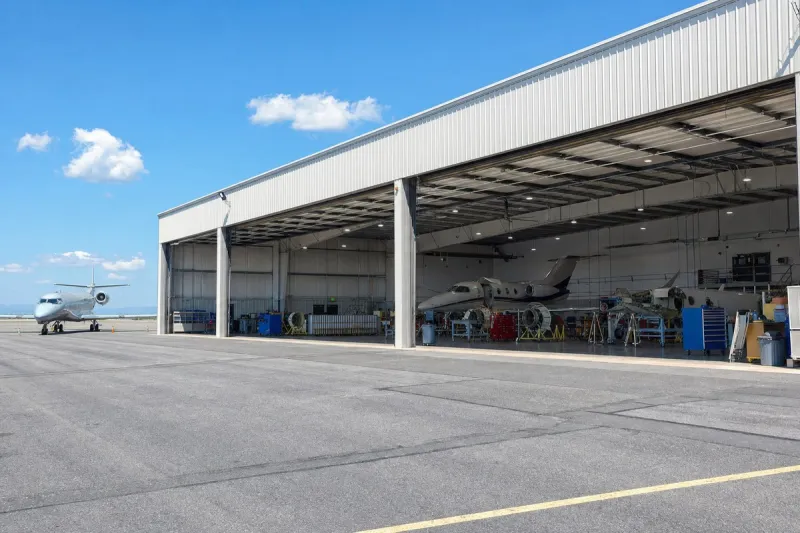
Aevum's Ravn X autonomous air-launch vehicle rolled out of a hangar at Long Beach Airport on September 6, 2026, and completed ground movement tests there, demonstrating its autonomous control systems ahead of potential flight trials. The aircraft, registered as N567RX, is 80 feet long, weighs 55,000 pounds, has a 60-foot wingspan, and is powered by two afterburning turbofan engines capable of operating from standard runways as short as one mile.
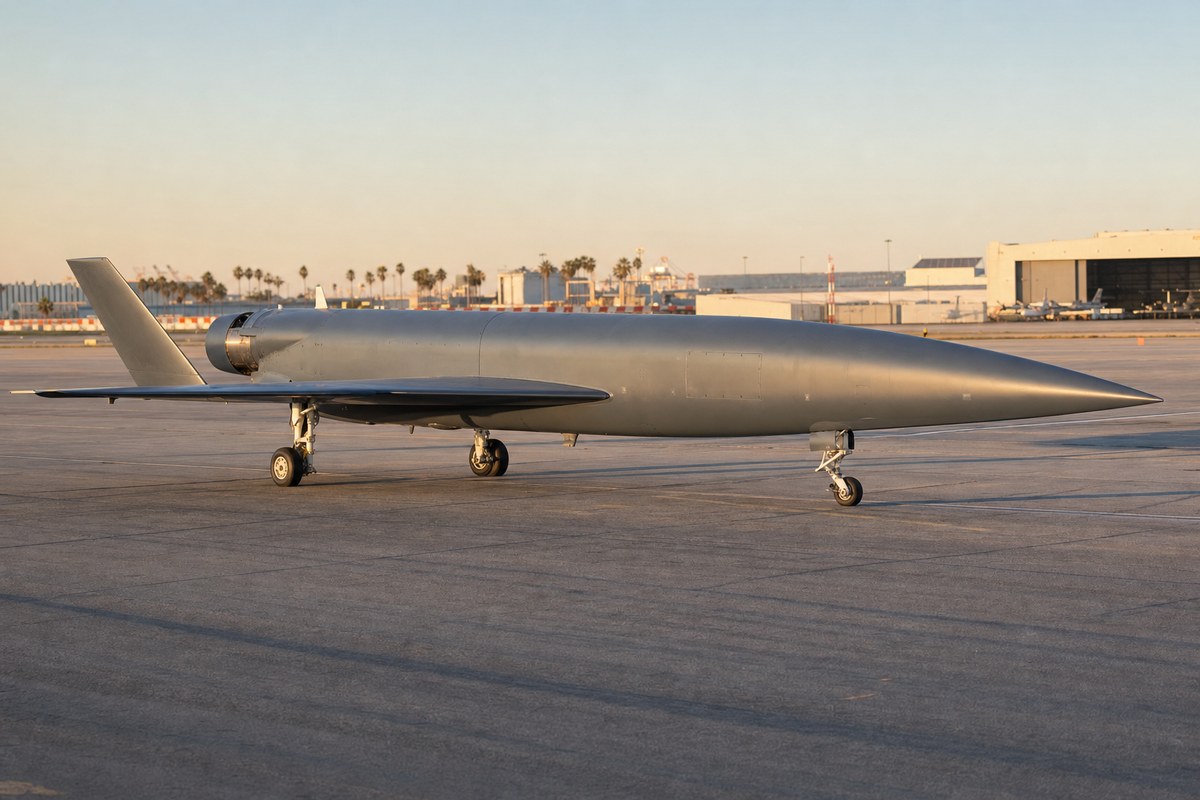
The Ravn X is designed to accelerate a two-stage rocket to 60,000 feet before releasing it for orbital insertion, carrying a payload capacity of 100 kilograms to orbit. Aevum, headquartered in Long Beach, was contracted by the U.S. Air Force in 2019 to develop the launch system for the ASLON-45 mission, a series of cubesat deployments. The company's first mission was originally planned for 2021, and in December 2020 CEO Jay Skylus said the vehicle would be ready for operations within 18 months of clearing regulatory reviews, a timeline that was not met; no official announcement regarding a first-flight date or the next testing phase has been made.
Unlike air-launch systems such as Virgin Orbit's LauncherOne or Northrop Grumman's Pegasus, which drop a rocket from altitude, the Ravn X accelerates its rocket through the atmosphere before release. Virgin Orbit conducted its first successful orbital launch in January 2021 and was later acquired by Rocket Lab in 2023 after ceasing operations.