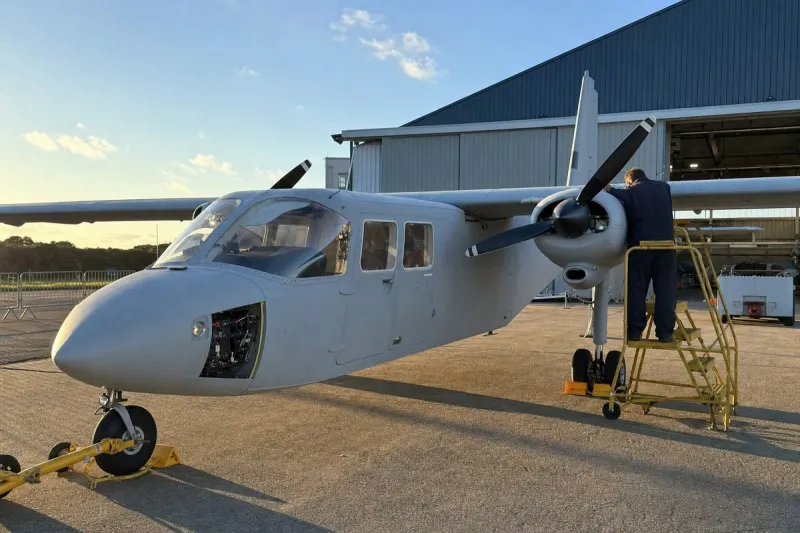
DAS Aviation Details Challenger 300 Landing Gear Overhaul Process
Why It MattersLanding gear overhaul work underscores how MRO providers depend on structural inspection depth and component replacement discipline to keep aging business jet fleets airworthy between major services.
What happened
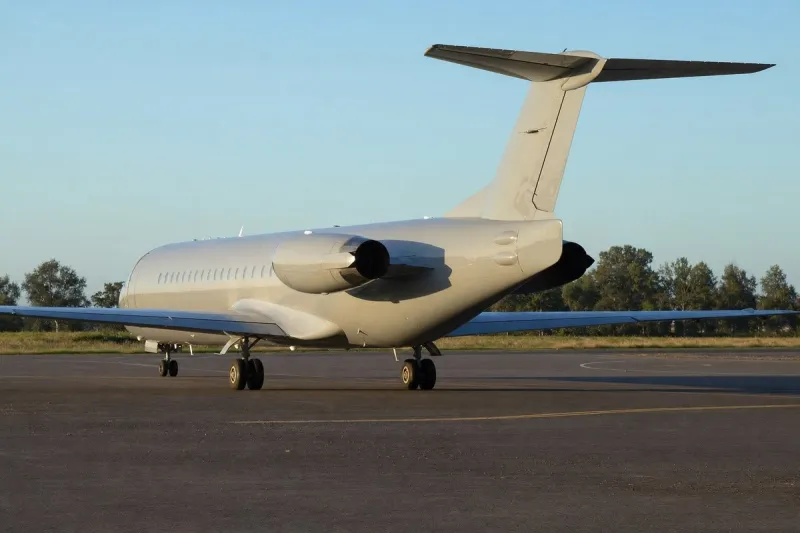
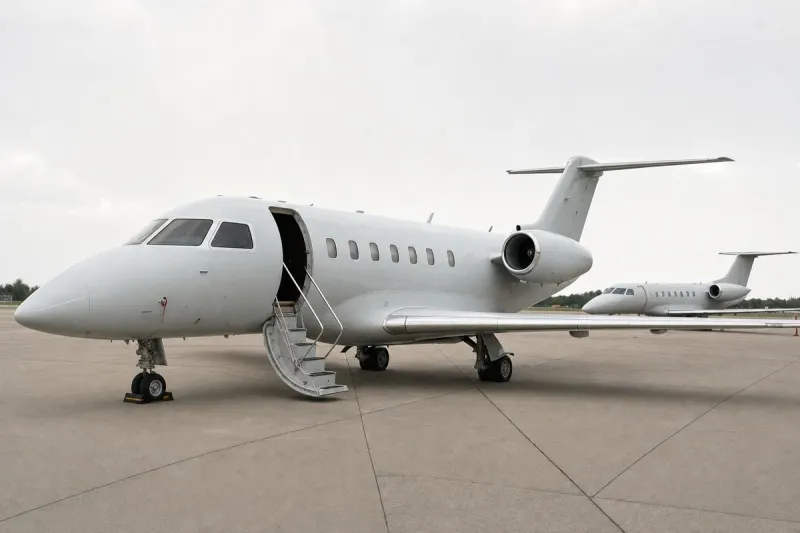
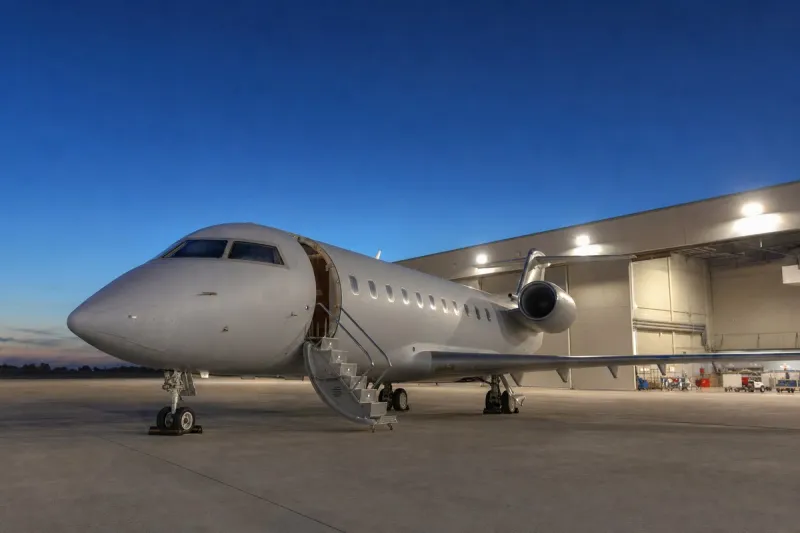
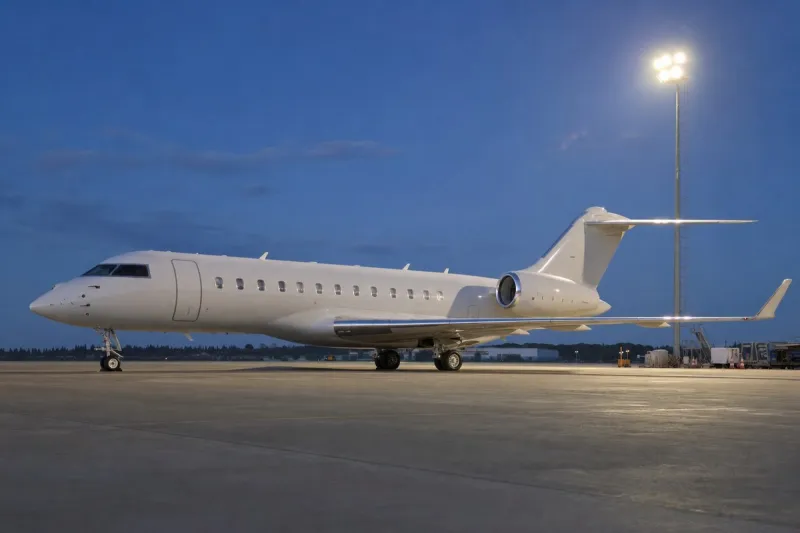
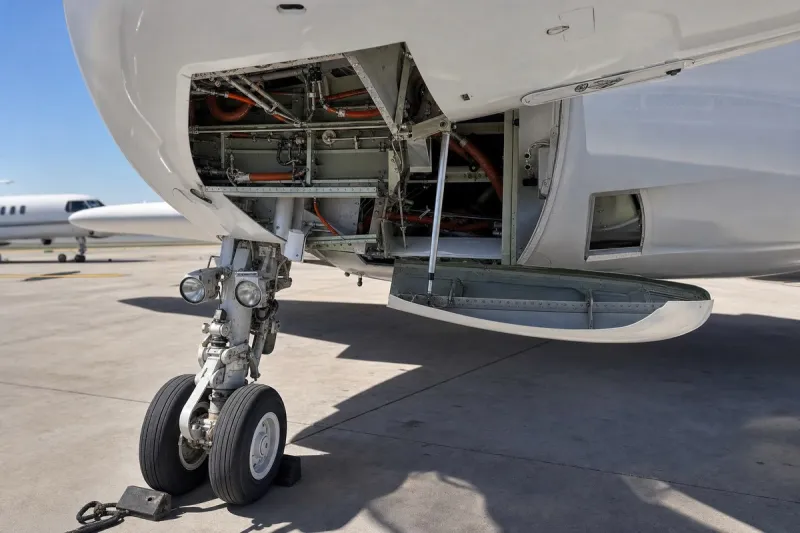
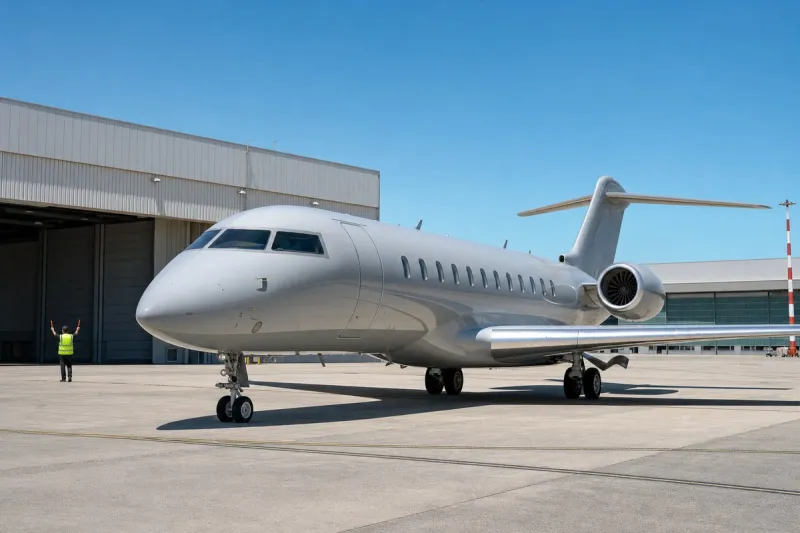
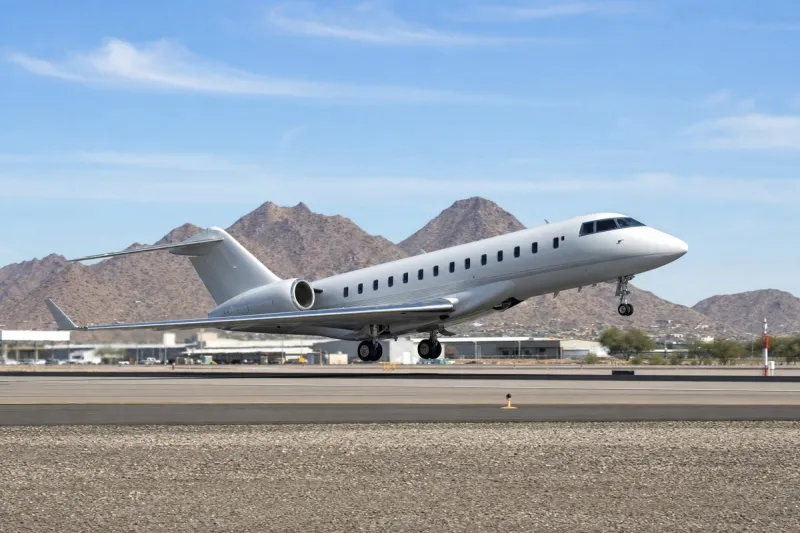
DAS Aviation, an FAA Part 145 Repair Station, documented a landing gear overhaul performed on a Bombardier Challenger 300, with the process guided by Landing Gear Technician III Mark Tillotson. The overhaul began after corrosion was identified on the aircraft's landing gear assembly.
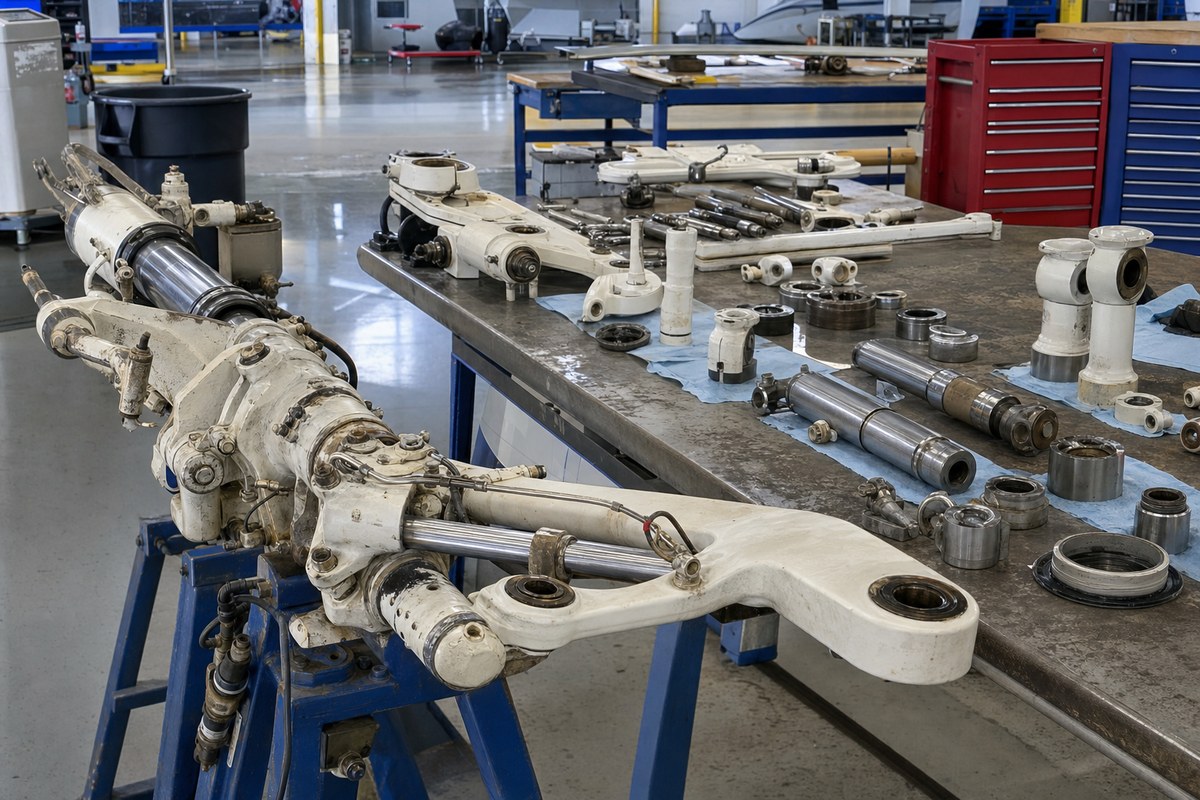
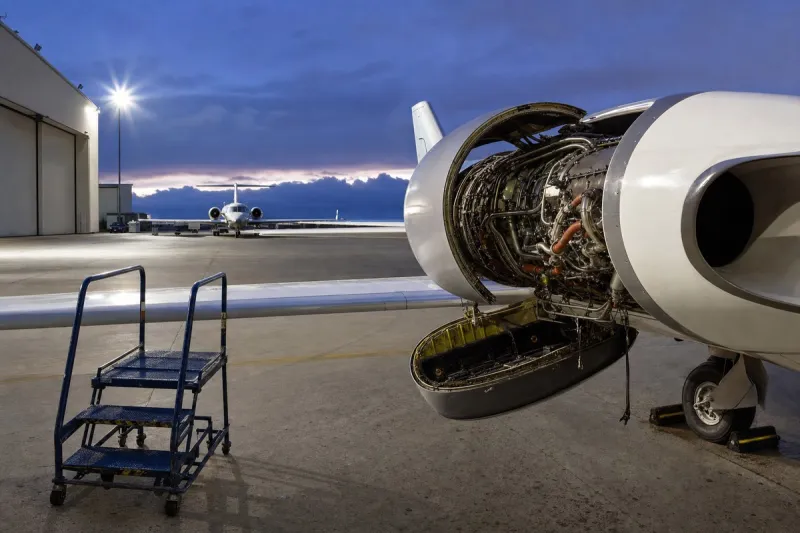
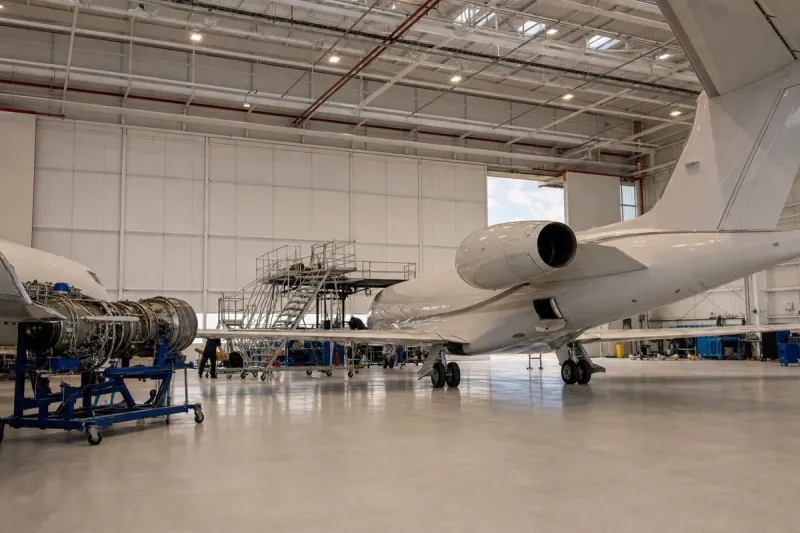
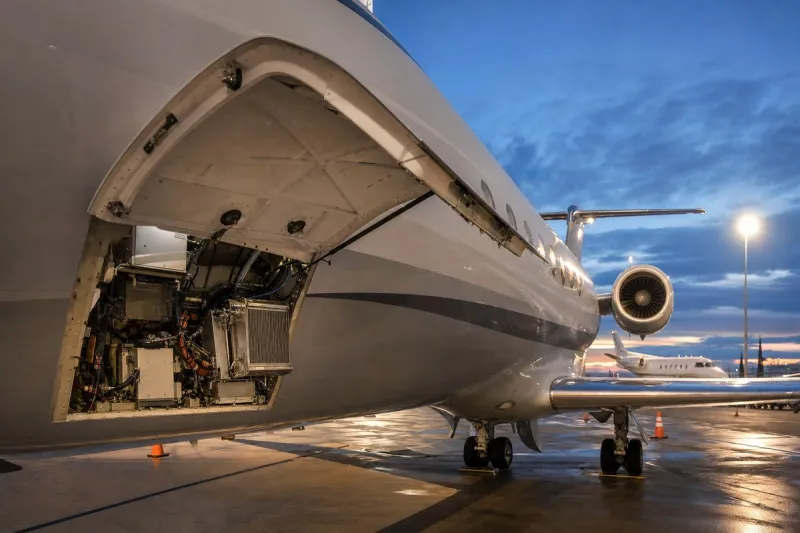
The procedure involved fully removing and disassembling the landing gear, followed by a structural inspection for wear, corrosion, cracks, and damage. Corroded, life-limited, and worn components were replaced, hydraulic and mechanical systems were serviced, protective finishes were applied, and the gear was reassembled to manufacturer specifications.
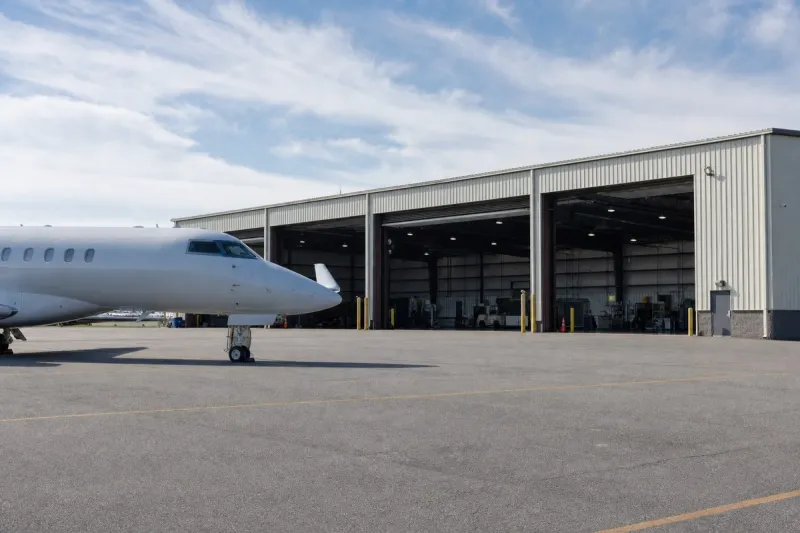
DAS Aviation specializes in airframe structural repairs, sheet metal fabrication, component overhaul and repair, landing gear overhaul and repair, composite structures, and engineering solutions. The company operates facilities in Texas, Ohio, and Colorado totaling more than 200,000 square feet of repair shop space, as well as an inventory facility in Illinois exceeding 75,000 square feet. DAS Aviation serves business jet, commercial airline, and military clients, and also provides parts support, mobile repairs, and recovery services.
Industry impact & what to watch
Landing gear corrosion findings of this kind are a routine trigger for teardown-level maintenance on business jets, since gear assemblies carry life-limited parts and structural loads that cannot be addressed with surface repair alone. A full removal, disassembly, and structural inspection sequence like the one described is standard practice once corrosion is confirmed, because it lets a shop distinguish between components that can be refinished and those that must be replaced under manufacturer specifications.
This case illustrates how specialized MRO providers position themselves within the broader airframe repair market: by combining structural repair, component overhaul, and parts support under one roof across multiple facility locations, a shop can take a single corrosion finding through inspection, replacement, and reassembly without handing the aircraft to a separate vendor at each stage. That integration is part of what business jet, airline, and military operators weigh when choosing where to send gear work.
What remains to be seen is whether this documented case becomes a template DAS Aviation uses to promote its landing gear capability more broadly, and whether similar corrosion findings surface on other Challenger 300 airframes of comparable age and utilization.