Nevada's Hawk Fire Forces Reno-Stead Airport Closure, Delays at Reno-Tahoe International; Hotels Waive Fees for Evacuees
Why It MattersFast-moving wildfires can shut a general aviation airport entirely while a nearby commercial hub absorbs delays through smoke and crew disruption rather than closure.
What happened
The Hawk Fire began as a 30-acre brush fire on Saturday night northwest of Reno, Nevada and rapidly grew to over 10,000 acres in Washoe County, remaining uncontained as firefighters worked to bring it under control. Thousands of residents have lost power, and evacuation orders cover a large portion of the county.

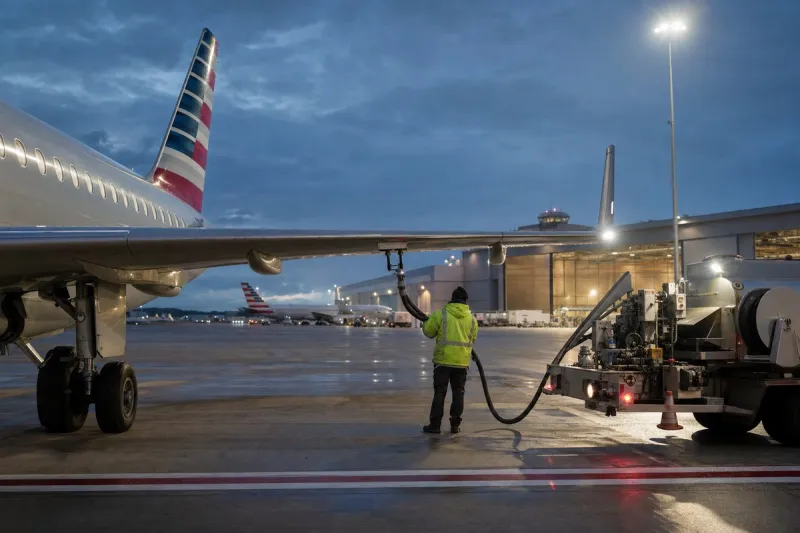
Reno-Stead Regional Airport, sitting within the fire's smoke plume, has closed to commercial air traffic and is now used exclusively by fire and rescue personnel. Reno-Tahoe International Airport remains open but is seeing rising delays: Southwest Airlines has 11 delayed flights, Horizon Air 3, SkyWest Airlines 2, and United Airlines 1, with no cancellations reported there so far. Officials warned that reduced crew availability and worsening visibility from smoke could add further disruption.
Nevada Governor Joe Lombardo declared a state of emergency in Washoe County, saying "The Hawk Fire is spreading quickly and threatening homes and structures," and urged residents to follow evacuation orders immediately. The Washoe County Sheriff's Office set up an evacuation center in Hall 4 of the Reno-Sparks Convention Center, and Circus Circus Reno, Eldorado, Silver Legacy and J-Resort are offering rooms at $59 per night for evacuees using the code SCLOC26, with resort fees waived. Travelers whose flights were disrupted by the Reno-Stead closure are entitled to a full refund under U.S. Department of Transportation rules if they choose not to rebook, though no travel waivers had been issued for Reno-Tahoe International as of the latest information.
Industry impact & what to watch
This case shows how a single wildfire can produce two distinct aviation outcomes at once: a smaller general aviation field goes fully offline for commercial use, while a larger nearby international airport stays open but absorbs the disruption through delays rather than closure. The divide tends to track infrastructure and traffic mix — an airport directly inside a smoke plume with lighter commercial reliance can be repurposed for emergency response, while a busier hub keeps operating as long as visibility and crew availability hold.
Delays at Reno-Tahoe International are currently driven by scheduling and crew factors rather than a mandated closure, which is why no waivers have been issued there yet even as four carriers already show delayed flights. Whether that holds depends on how the fire's smoke plume behaves and whether containment progress reduces the immediate airspace and visibility pressure.
The next signals to track are whether Reno-Tahoe International issues its own travel waiver, whether containment lines hold given the fire's uncontained status, and whether Reno-Stead's closure to commercial traffic extends beyond its current use for fire and rescue operations.