Indian airlines lose over $2b due to Pakistani airspace closure
Why It MattersProlonged reciprocal airspace bans force scheduled carriers into structurally longer routings, converting a political closure into a recurring operating-cost burden rather than a one-off disruption.
What happened
Pakistan's closure of its airspace to Indian airlines has inflicted losses exceeding $2 billion on India's aviation sector, with approximately 800 Indian flights disrupted every week, according to data from the Pakistan Airport Authority and World Flight Information Data.
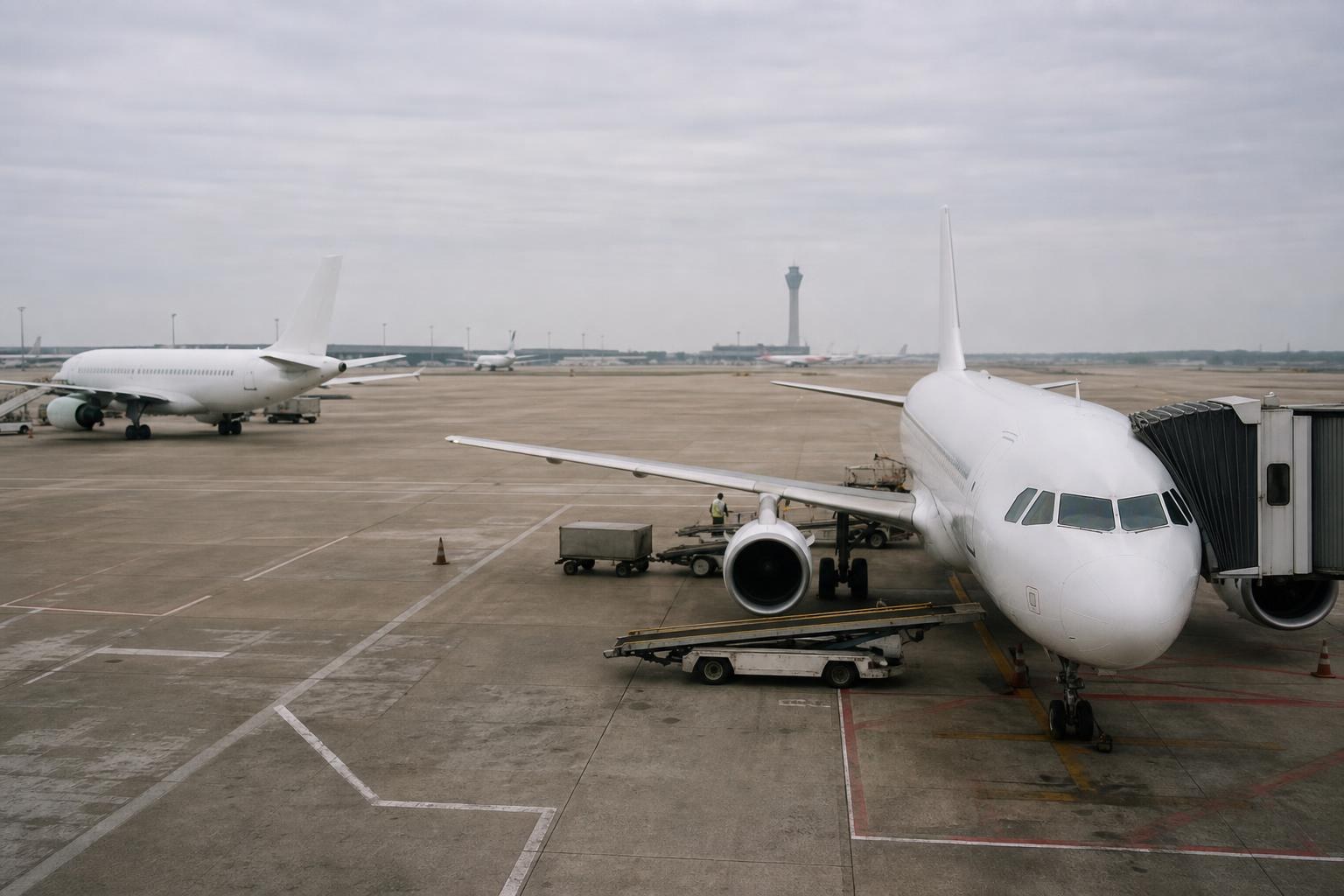
Five carriers — Air India, IndiGo, Air India Express, Akasa Air, and SpiceJet — are among the most severely affected. Delhi's Indira Gandhi International Airport has borne the heaviest impact, with 640 flights affected weekly. Routes from Delhi to the United States, United Kingdom, Germany, Turkey, and Kazakhstan have all been disrupted. Indian airlines have been forced onto longer alternative routes, with flight durations extended by one to three hours per journey, generating additional costs in fuel, landing, takeoff, parking, staffing, and other operations.
Complications along Iranian and Gulf air corridors, stemming from Iran-US tensions and the broader Middle East situation, have compounded the difficulties. India's credit rating agency ICRA has warned of further financial deterioration, with Indian airlines projected to lose an additional $600 million in the current year. The Pakistan Airports Authority has stated that the airspace ban on Indian airlines will remain in place until September 2026, with military and cargo aircraft also barred. Pakistani airlines have been comparatively less affected, with only a small number of Pakistani flights that previously transited Indian airspace being rerouted.
Industry impact & what to watch
A bilateral airspace closure of this duration turns a routing inconvenience into a standing cost line: every extra hour in the air adds fuel burn, crew duty time, and knock-on aircraft utilization losses across a carrier's whole network, not just the affected routes.
Scheduled international operations depend on predictable overflight corridors linking origin and destination; when one corridor closes, traffic does not disappear but redistributes onto neighboring airspace, which is why Iranian and Gulf corridor congestion is compounding the detour rather than offering a clean alternative. That interaction is the mechanism behind ICRA's additional $600 million loss projection for the current year.
Whether the closure actually lifts in September 2026, or is extended again, will determine whether Indian carriers plan network and fleet deployment around a temporary detour or a durable structural cost. Statements from the Pakistan Airports Authority on the ban's status, and from Indian carriers on route restructuring around Delhi's affected long-haul services, are the next signals worth tracking.