NTSB: Cirrus SR22 Stalled on Landing Approach at Lakeway, Texas, Causing Substantial Damage
Why It MattersThe finding underscores how single-pilot general-aviation approaches remain vulnerable to airspeed management errors in gusting crosswind conditions during the final stages of landing.
What happened
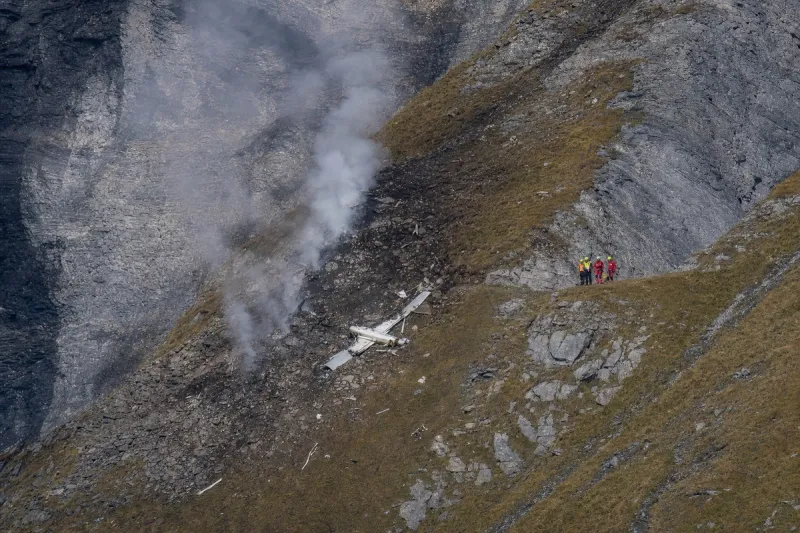
The National Transportation Safety Board released its final report on an accident involving a Cirrus Design Corp SR22, registration N565CP, near Lakeway, Texas, on September 25, 2024, at 18:33 local time. The aircraft sustained substantial damage to its fuselage, wings, and engine mount, with one occupant suffering serious injuries and one sustaining minor injuries. The accident is catalogued under Accident Number CEN24LA367.
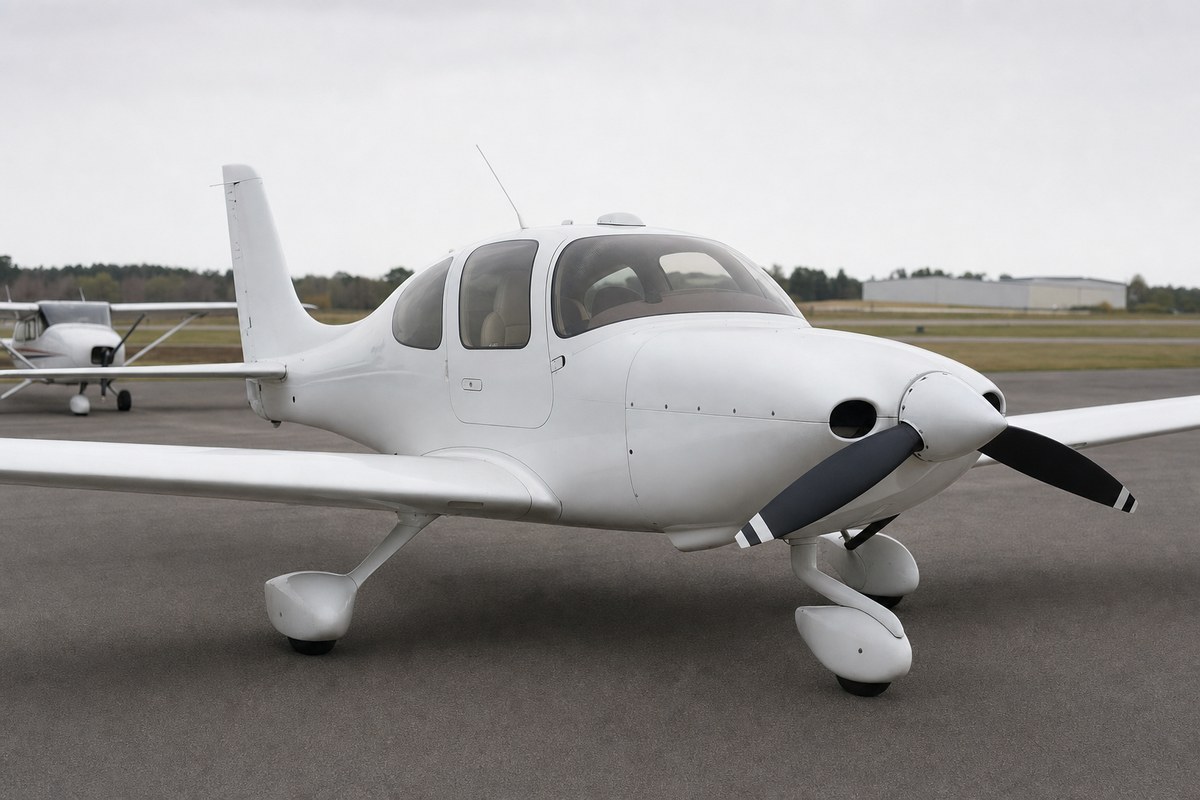
During the descent, the pilot confirmed winds from 030 degrees at 10 knots, gusting to 16 knots, and planned to land on runway 34. On the base leg, he extended flaps to 100%, reduced engine power, and slowed the aircraft to approximately 85 knots indicated airspeed. On final approach, after clearing a set of powerlines perpendicular to the runway, he flew a steep approach. As the aircraft passed above the displaced threshold, airspeed dropped to approximately 63 knots indicated airspeed, the airplane entered an aerodynamic stall, and it landed hard on the runway. As the aircraft bounced, the pilot increased engine power.
The NTSB determined the probable cause to be the pilot's failure to maintain adequate airspeed during landing, which resulted in an aerodynamic stall and loss of control during the go-around attempt.
Industry impact & what to watch
Cases like this one belong to a familiar category in NTSB reporting: an approach flown with an unstabilized airspeed margin that erodes further during a steep final segment, leaving little room to recover once a stall develops close to the ground. The sequence described here, from a controlled base-leg configuration to a rapid airspeed decay over the threshold, illustrates how quickly an otherwise standard visual approach can turn into a hard landing and a compromised go-around.
Single-pilot piston operations depend heavily on the pilot's own airspeed and energy management, since there is no second set of hands to call out deviations or take control during a critical phase like this. Gusting crosswinds, a steep approach angle, and a late attempt to add power after a bounce all compound the difficulty of recovering once the airplane is already slow and low.
What happens next with this specific aircraft and pilot is not addressed in the report beyond the probable-cause finding. Any broader response would show up in how training organizations and type-specific safety programs address stabilized-approach discipline and go-around decision-making for this aircraft type.