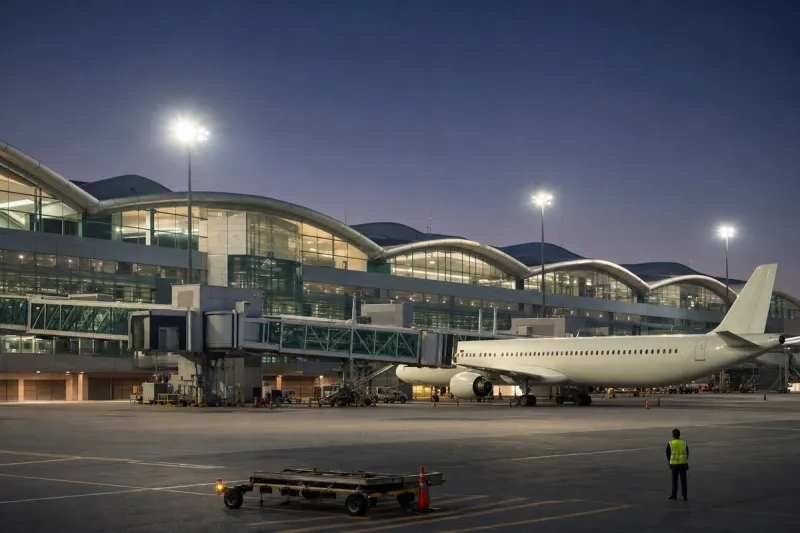
Manchester Airport suffers security breach with flights diverted to Birmingham - Birmingham Live
Why It MattersA single perimeter breach can stack aircraft over an airport and push diversions onto neighbouring fields, showing how airfield security incidents ripple quickly into regional traffic disruption.
What happened
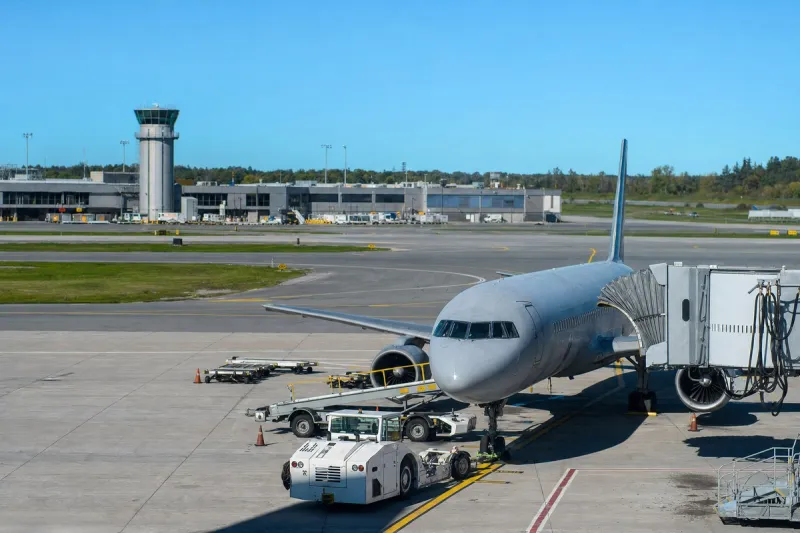
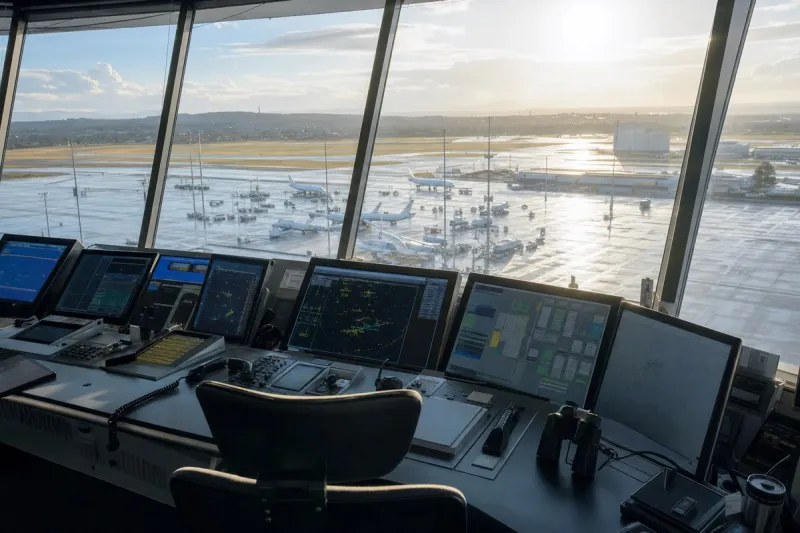
Manchester Airport suffered a security breach overnight after an individual encroached onto the airfield, prompting police to be called. The person was arrested at the scene within approximately 15 minutes, the airport confirmed.
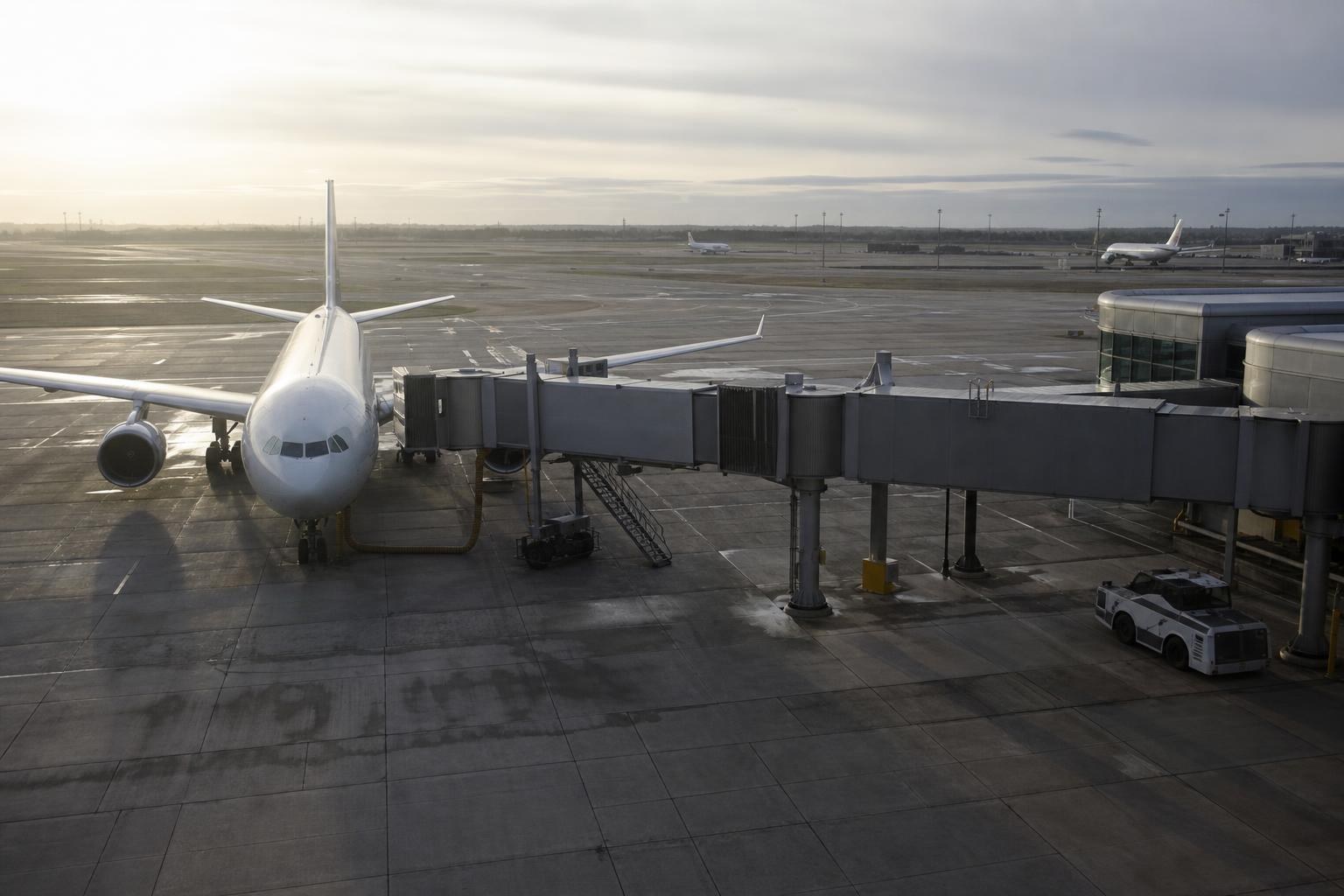
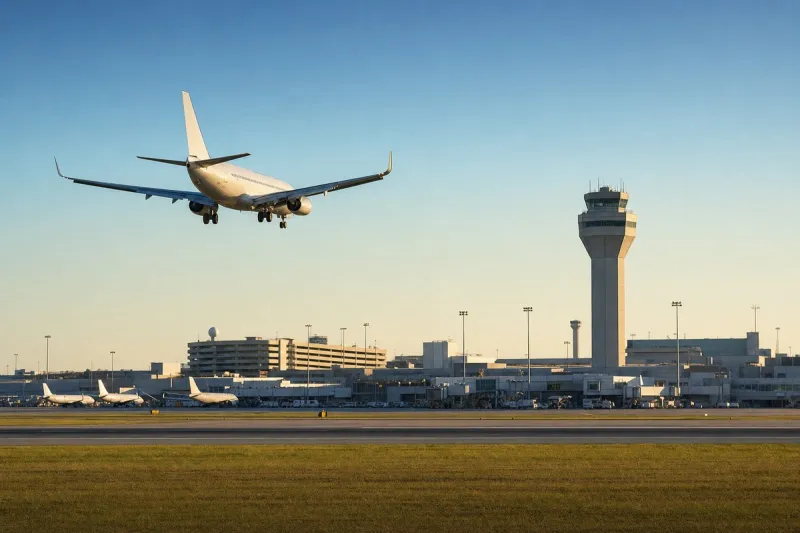
The incident resulted in seven flights being diverted away from Manchester, with some redirected to Birmingham Airport and East Midlands Airport, while 17 flights were held in holding patterns in the sky during the disruption. A Ryanair flight from Agadir, Morocco, bound for Manchester was diverted to Birmingham Airport. A TUI flight (TOM1MB) from Corfu to Manchester was redirected to East Midlands Airport, according to flight-tracking service Flightradar24.
A third TUI flight (TOM439) from Boa Vista, Cape Verde, also diverted to East Midlands Airport after squawking the 7700 general emergency code. Flight tracking data showed the aircraft initially headed toward Manchester before circling over the Peak District and then proceeding to East Midlands. Around midnight, aviation monitoring account Squark posted on X: "Multiple aircraft holding over Manchester Airport as TUI TOM439 (Cape Verde→MAN) squawks 7700 and diverts. Emergency inbound, arrivals stacking." Manchester Airport said the incident has since been resolved and flights have returned to normal operations, with a temporary fix put in place following the breach. Birmingham Airport confirmed there was no impact on its own operations.
Industry impact & what to watch
A ground-level security lapse turning into an airborne holding-pattern event shows how tightly airport perimeter control and live air traffic flow are linked at a busy hub. When an airfield closes or restricts operations even briefly, inbound aircraft have nowhere to go but a stack, and outbound diversions cascade onto the nearest airports with spare capacity.
This is how single-airport disruptions spread regionally: Birmingham and East Midlands absorbed Manchester's diverted traffic on short notice, while Birmingham reported no knock-on effect to its own schedule, showing the receiving airports had capacity to spare on this occasion. That balance is not guaranteed every time capacity gets rerouted.
What happens next depends on what Manchester Airport's stated temporary fix entails and whether it becomes a lasting change to perimeter monitoring, a detail the airport has not yet detailed publicly.