Heart Aerospace X1, World's Largest Battery-Electric Aircraft, Completes 27-Minute Debut Flight in New York
Why It MattersThe flight shows an electric regional aircraft programme moving from ground testing into flight validation, a step that still sits years before any certificated aircraft could enter commercial service.
What happened
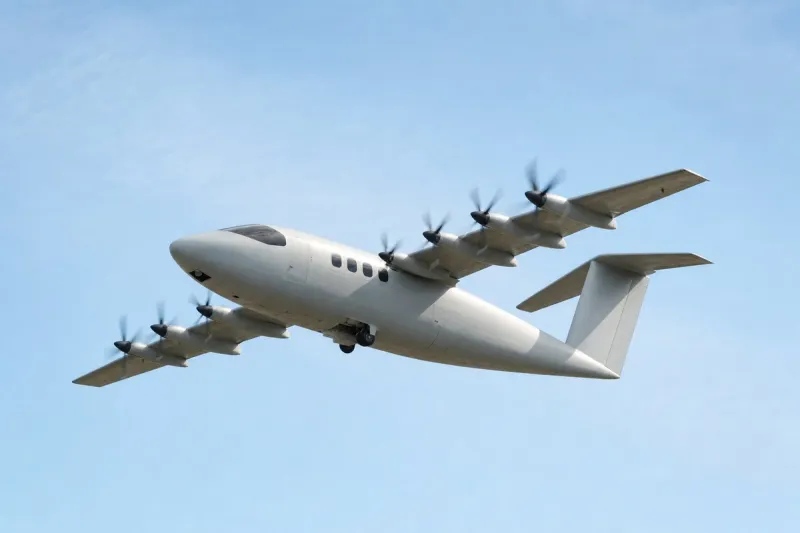
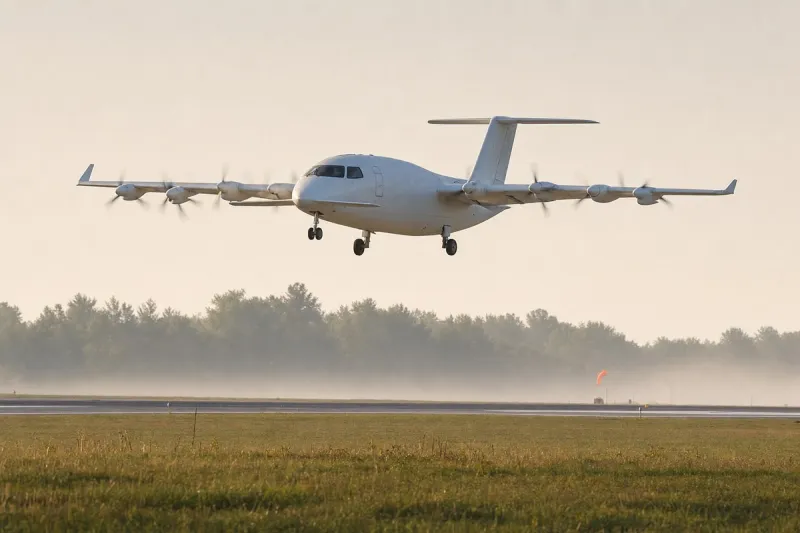
Heart Aerospace's full-scale X1 demonstrator, described as the world's largest battery-electric aircraft, flew for the first time on August 12 from Plattsburgh International Airport in New York. The aircraft stayed airborne for 27 minutes and reached an altitude of 335 metres (1,100 feet).
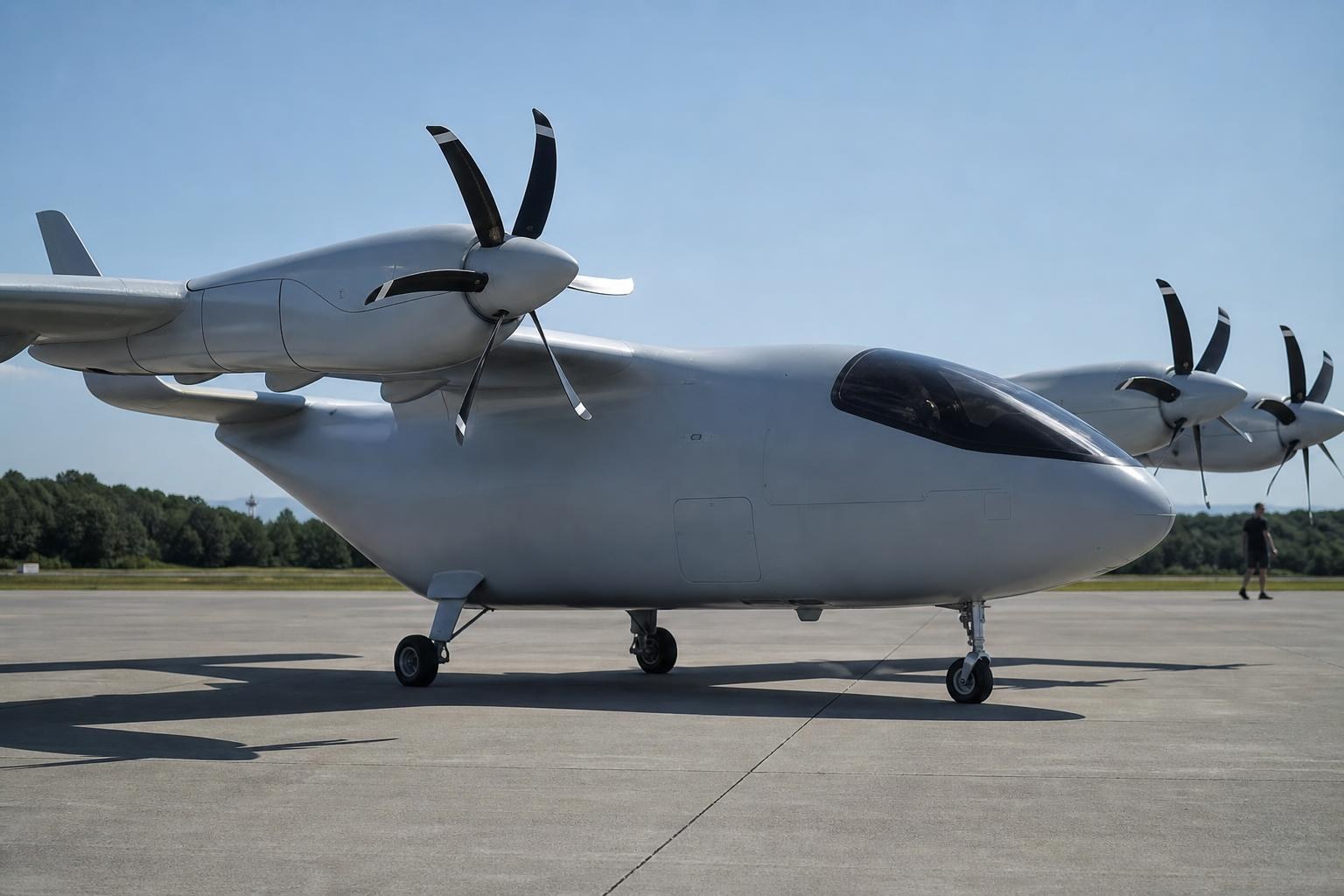
The X1 weighs more than 11,340 kg (25,000 pounds) and has a 32-metre (106-foot) wingspan. Four wing-mounted electric motors deliver more than 1 megawatt of all-battery-electric propulsion. Heart Aerospace said the electricity consumed during the 27-minute flight cost approximately $5.
The X1 is a full-scale technology demonstrator, not a commercial passenger aircraft, built to test technologies, systems and manufacturing processes for Heart's planned ES-30 regional aircraft, a 30-seat hybrid-electric design targeting around 200 km of all-electric range and up to 800 km in hybrid mode with a 30-minute target charging time. The FAA issued a Special Airworthiness Certificate for the X1 in July 2026, enabling the flight-test campaign. Heart Aerospace unveiled the full-scale X1 in September 2024, began ground testing the following month, established its flight-test base at Plattsburgh in January 2025, and started operations at its Los Angeles Pilot Plant in October 2025. Founded in Sweden in 2019 and now U.S.-based, the company entered Y Combinator's W19 programme, raised $35 million in a 2021 Series A round led by Breakthrough Energy Ventures with participation from United Airlines and Mesa Air Group, and raised $107 million in a Series B round in February 2024 to develop the X1 and advance the ES-30 programme.
How it unfolded
Heart targets ES-30 entry into service and type certification.
Heart plans to begin flight testing of the pre-production ES-30/X2 programme.
X1 completes its first flight from Plattsburgh International Airport, staying airborne 27 minutes and reaching 335 metres (1,100 feet).
FAA issues a Special Airworthiness Certificate for the X1, enabling flight testing.
Los Angeles Pilot Plant begins operations.
Heart Aerospace establishes its flight-test base at Plattsburgh International Airport.
Ground testing of the X1 begins.
Full-scale X1 unveiled.
Heart Aerospace raises $107 million in a Series B round to develop the X1 and advance the ES-30 programme.
Company raises $35 million in a Series A round led by Breakthrough Energy Ventures, with United Airlines and Mesa Air Group participating.
Heart Aerospace founded in Sweden.
Industry impact & what to watch
A first flight of a full-scale demonstrator is the point at which an electric-aircraft programme starts trading ground rigs and simulation for actual flight-test data, and Heart Aerospace has now reached that point with the X1 ahead of its ES-30 regional design. The demonstrator itself carries no passengers and will never enter service; its job is to retire risk in the motors, battery system and airframe before those choices are locked into the ES-30.
Regional-aircraft certification runs on a slower clock than the demonstrator flights suggest: Heart's own plan calls for a pre-production ES-30/X2 aircraft to begin flight testing in 2028, with type certification and entry into service targeted for 2031. Programmes at this stage still depend on repeated, expanding flight-test campaigns, further FAA certification milestones beyond the Special Airworthiness Certificate already granted, and continued funding through Series A and B backers before a certificated aircraft connecting smaller cities and airports can be delivered.
The next markers worth tracking are whether the X1 test campaign expands beyond this single 27-minute flight into longer sorties and higher altitudes, and whether Heart Aerospace secures the additional capital and regulatory approvals needed to move from the X1 demonstrator to the pre-production X2 on schedule.