ETH Zurich Students Develop Switzerland's First Hydrogen-Powered Aircraft Using Busch Vacuum Technology
Why It MattersThe project reflects wider efforts to test hydrogen fuel cells as a decarbonization pathway for aviation, an industry responsible for roughly 2.1 percent of global CO2 emissions.
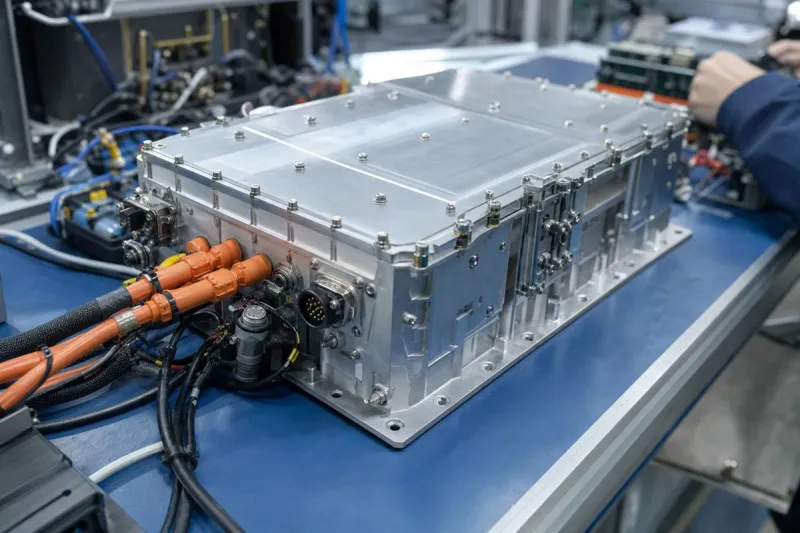
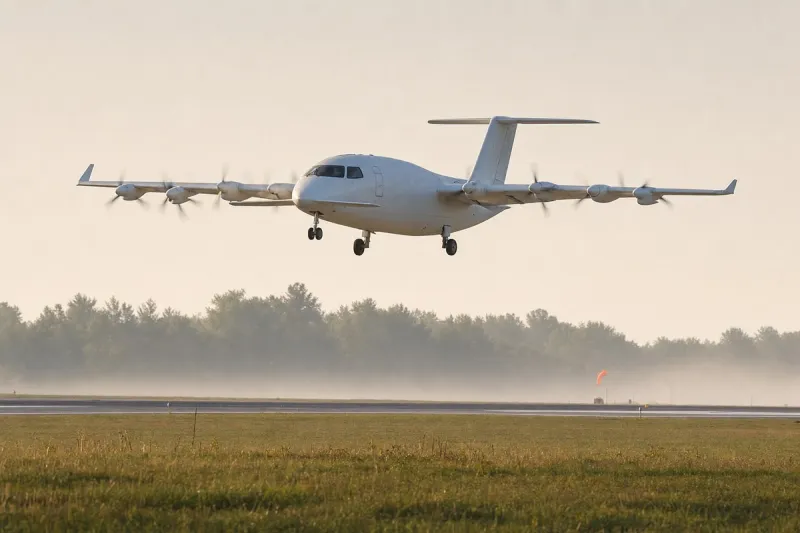
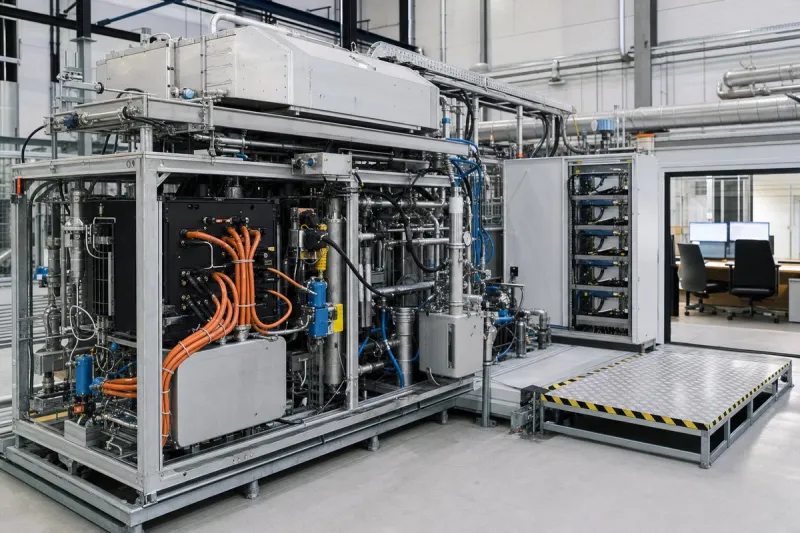
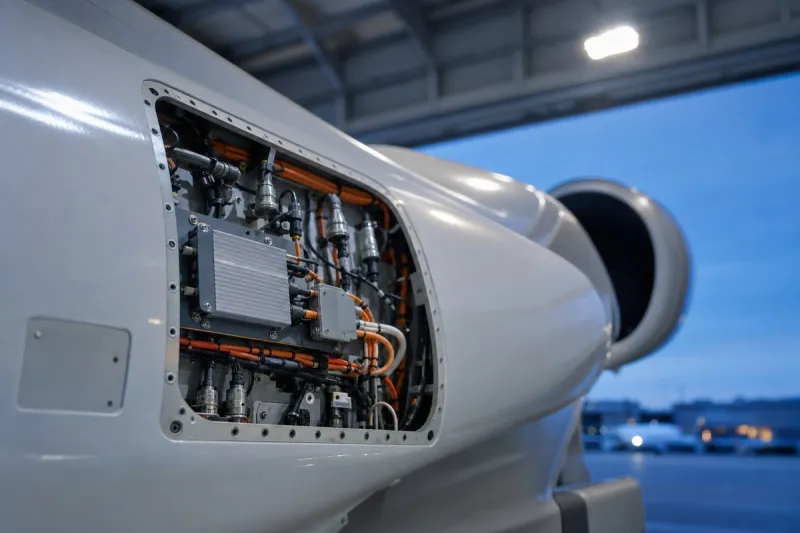
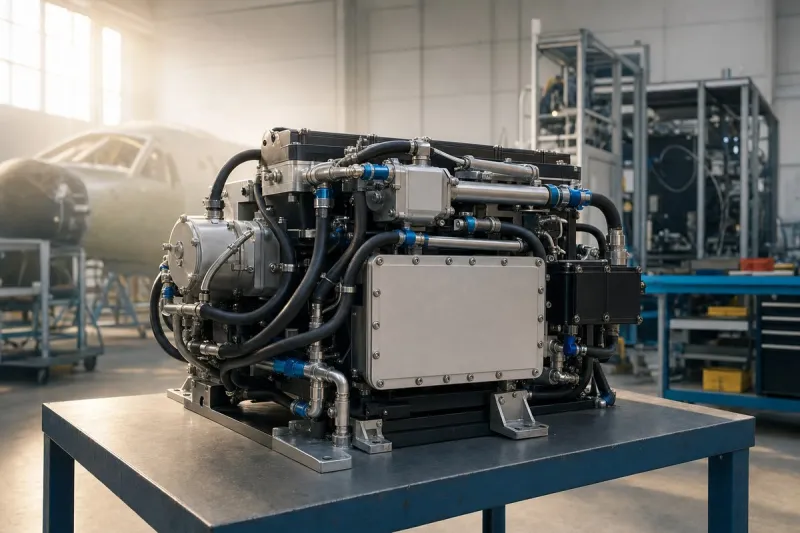
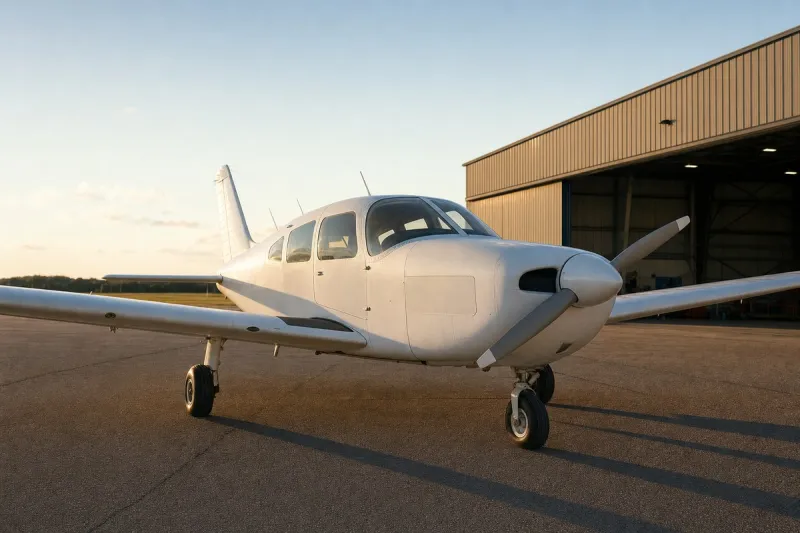
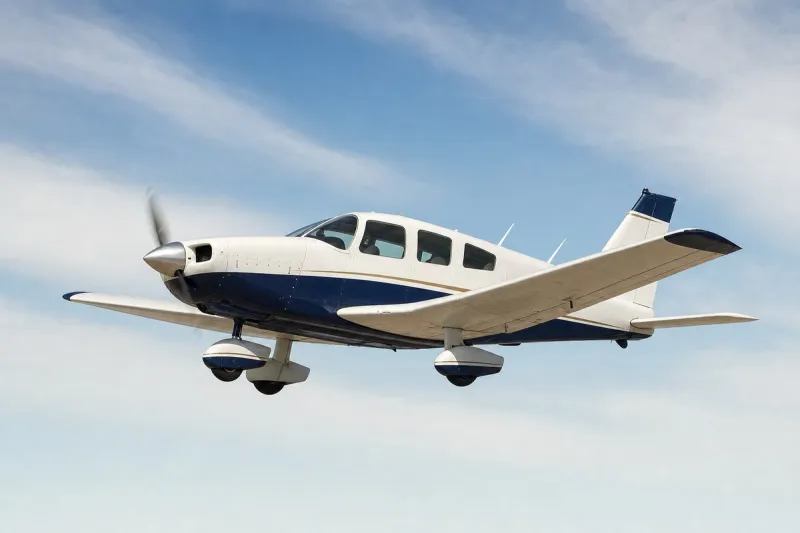
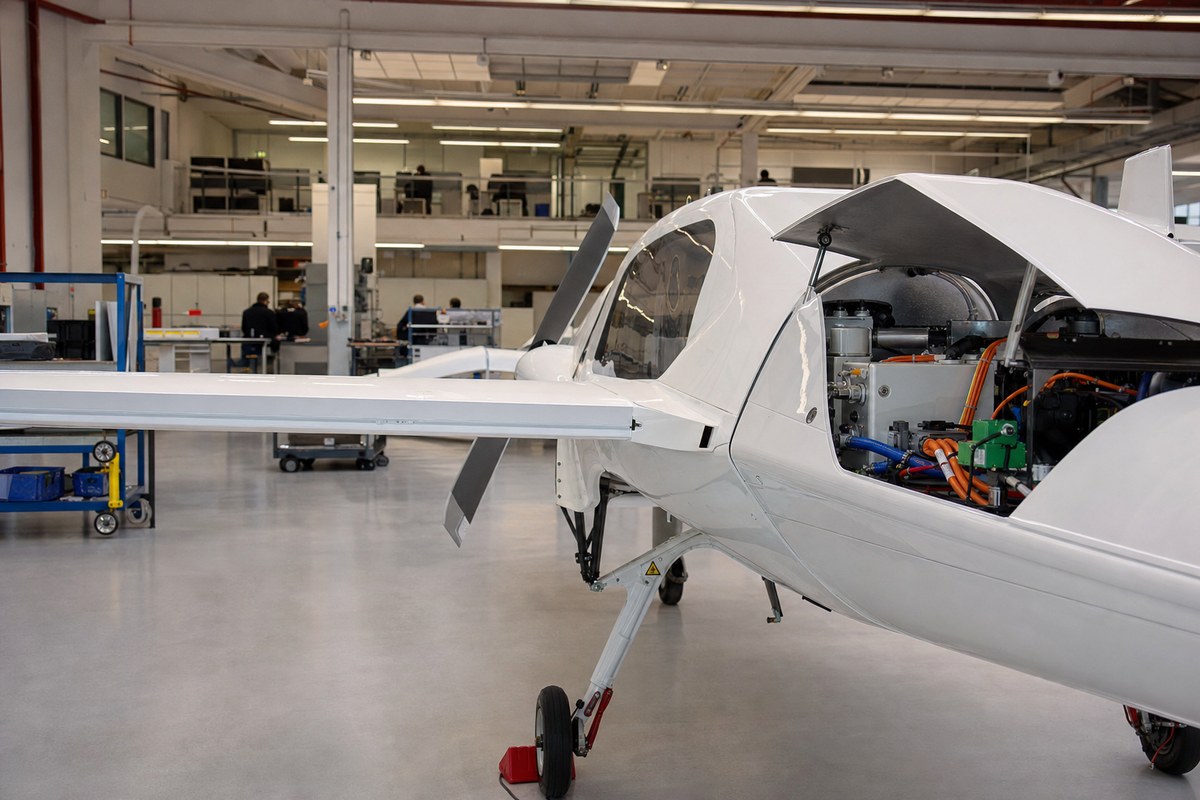
A student team at ETH Zurich, organized under the nonprofit Cellsius founded in 2022, has developed the H2-Sling, described as Switzerland's first hydrogen-powered aircraft. The aircraft runs exclusively on gaseous hydrogen and uses a fuel cell system with an output of 100 kilowatts, in which hydrogen and oxygen react electrochemically across an anode and cathode separated by an electrolyte membrane to produce electrical energy and heat. A recirculation blower supplied by Busch Vacuum Solutions, based in Baden-Württemberg, plays a key role in the fuel cell system.
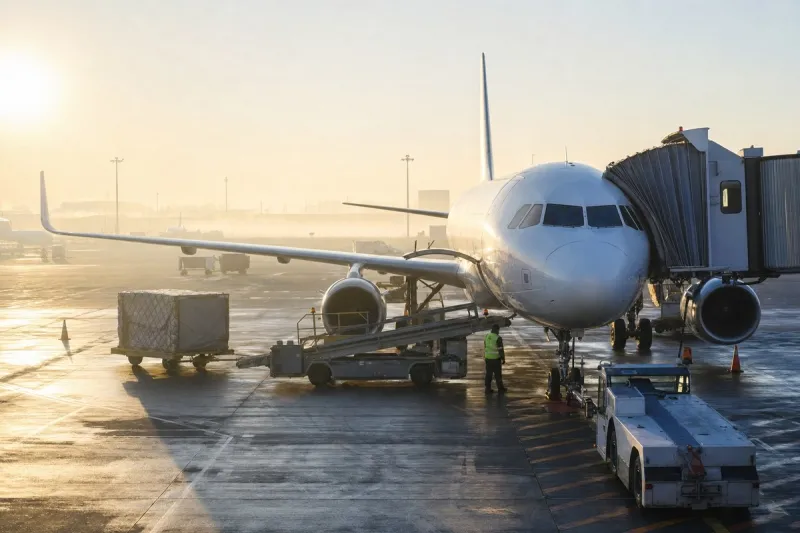
The German Aerospace Center (DLR) reported that more than 36 million flights were operated in 2024, with aviation accounting for approximately 2.1 percent of global CO2 emissions, roughly equivalent to the annual emissions of an industrialized country such as Germany. The Office for Technology Assessment (TAB) of the German Bundestag has identified sustainable fuels as the most important lever for reducing aviation's climate impact, singling out hydrogen as a particularly promising energy source, though storing hydrogen in liquid form requires highly insulated tanks maintained at minus 253 degrees Celsius, adding weight and complexity to aircraft design.