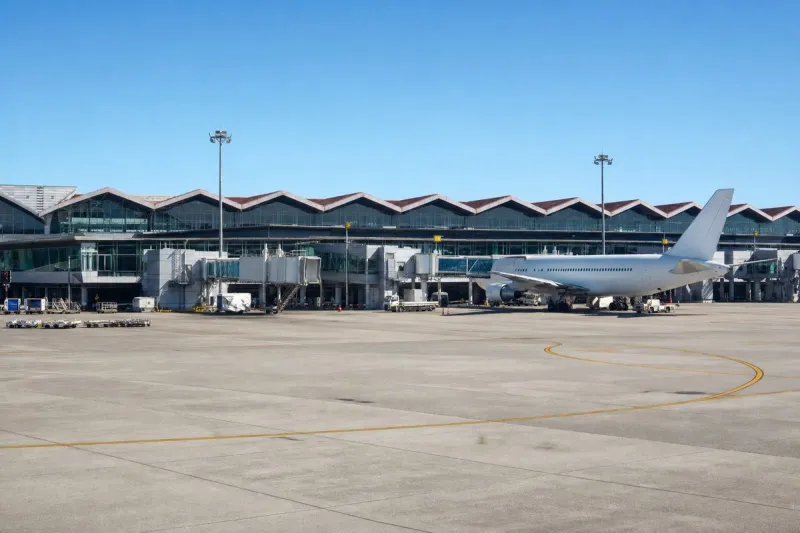
Over 866 U.S. Flights Delayed, 89 Canceled Amid Storms and Airspace Restrictions
Why It MattersThe recurring gap between single-day storm totals and DOT's baseline late-arrival rate shows how tightly scheduled hub networks convert one region's weather into delays felt system-wide.
What happened
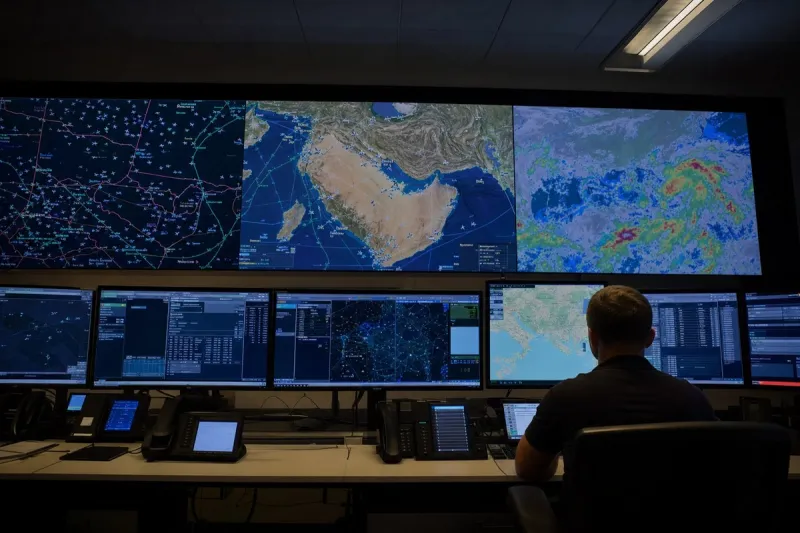
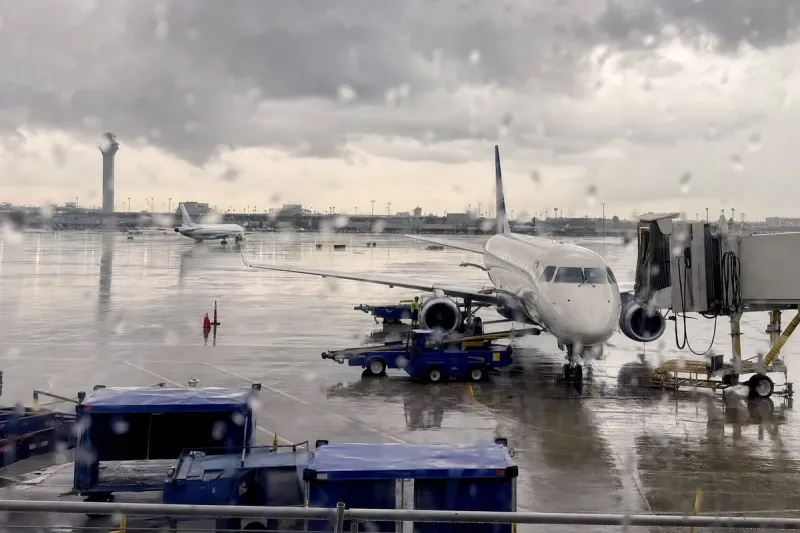
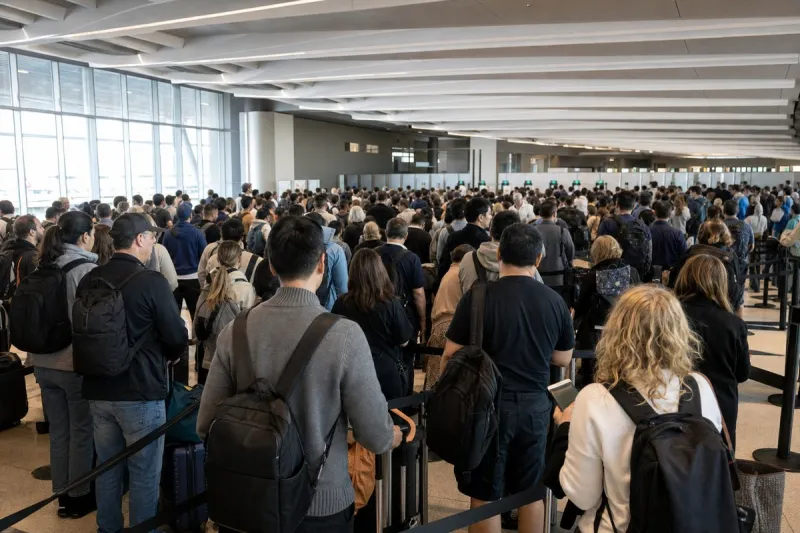
More than 866 flights within, into, or out of the United States were delayed and at least 89 were canceled during a recent day of disruptions, as convective weather, low cloud ceilings, and air traffic management programs combined to strain the national air travel system. Flight-tracking data show the disruption concentrated at large coastal and hub airports, with the pattern persisting through early September: one recent nationwide snapshot cited more than 896 delays and about 200 cancellations, while another tallied over 984 delayed flights and 111 cancellations.
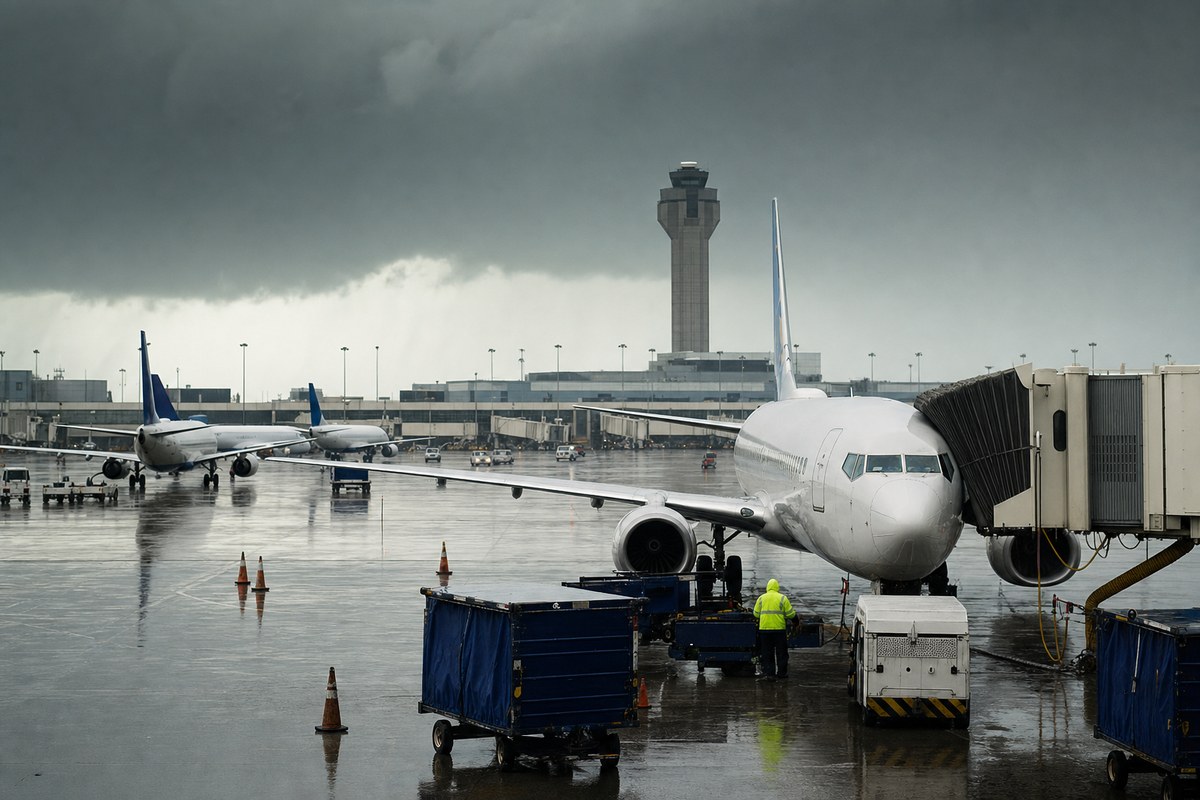
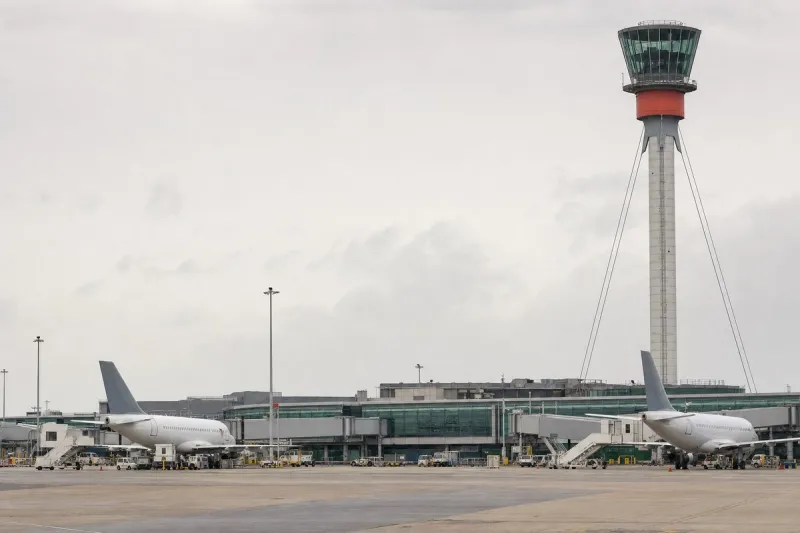
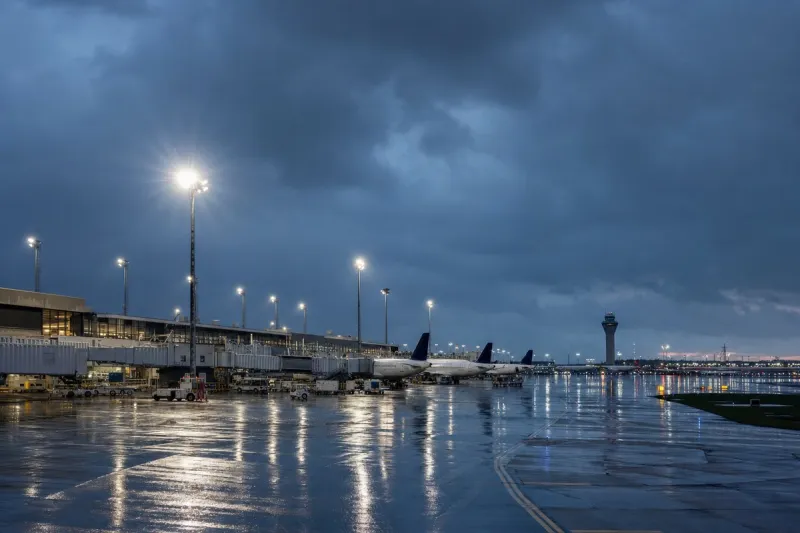
Thunderstorms across the Northeast and mid-Atlantic triggered ground delay programs at New York-area airports including John F. Kennedy International Airport. In the Southeast, strong evening storms around Atlanta led to a temporary ground stop at Hartsfield-Jackson Atlanta International Airport, with some inbound flights experiencing waits exceeding four hours. Disruption clusters were also reported in Florida and along the Gulf Coast, where convective storms routinely develop during late-summer afternoons, and Miami International Airport recorded dozens of delays and cancellations in a single day.
Flight-tracking dashboards identified Seattle-Tacoma International Airport as recording nearly 30 delays and 25 cancellations on one recent day. Among U.S. carriers, American Airlines led domestic carriers in delayed flights on certain days, while United Airlines reported some of the highest single-day cancellation counts. Southwest Airlines absorbed heavy delay volume over a broader disruption period, with more than 1,000 delayed flights attributed to storms and air traffic initiatives.
U.S. Department of Transportation statistics indicate that more than one in five domestic flights can arrive late in a given year even absent major system-wide outages. Under Department of Transportation policy, passengers whose flights are canceled and who decline an alternative itinerary are entitled to a cash refund, while compensation for delays, hotels, and meals varies by carrier.
Industry impact & what to watch
This episode belongs to a familiar seasonal pattern: convective weather clustering over the Northeast, Southeast and Gulf Coast during late summer forces ground delay programs and ground stops at the largest coastal hubs, and the effects ripple outward from there. Aviation specialists note that high aircraft utilization and tight turnarounds mean a single hub disruption can cascade across airline networks, touching passengers hundreds or thousands of miles from the original storm.
The variation between single-day totals — 866 delays and 89 cancellations on one day, 896 delays and roughly 200 cancellations on another, 984 delays and 111 cancellations on a third — shows how sensitive daily network performance is to where storms happen to sit relative to hub geography, not just how many storms occur. American Airlines' lead in delayed flights on certain days and United Airlines' high single-day cancellation counts point to carrier-specific hub exposure at the airports hit hardest.
What settles next is whether the elevated totals recorded through early September ease as the convective season winds down, or whether ground delay programs at JFK and ground stops at Atlanta recur often enough to push monthly figures materially above the one-in-five late-arrival baseline the Department of Transportation reports for a typical year.