Winter Operations at Aspen/Pitkin County Airport: Key Challenges for Business Jet Crews
Why It MattersHigh-elevation, terrain-constrained airports like ASE demonstrate how approach geometry, seasonal traffic compression and limited diversion options together narrow the operational margin available to business jet crews.
What happened
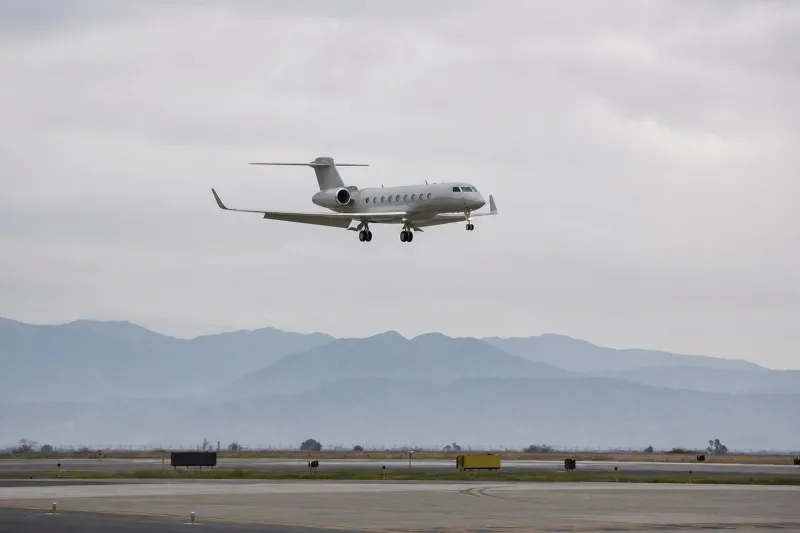
Aspen/Pitkin County Airport (ASE), at approximately 7,820 feet in Colorado's Roaring Fork Valley and surrounded by rapidly rising mountain terrain, presents a demanding set of conditions for business jet crews during the winter ski season, according to a chief pilot with more than 8,500 hours of flight experience on business jets ranging from mid-size to heavy aircraft, including Hawker, Challenger, and Global types. The pilot outlines compounding factors crews must manage: snowfall, low clouds, limited visibility, winds, changing runway conditions, high-elevation aircraft performance limitations, and heavy traffic compressed into a short seasonal window.
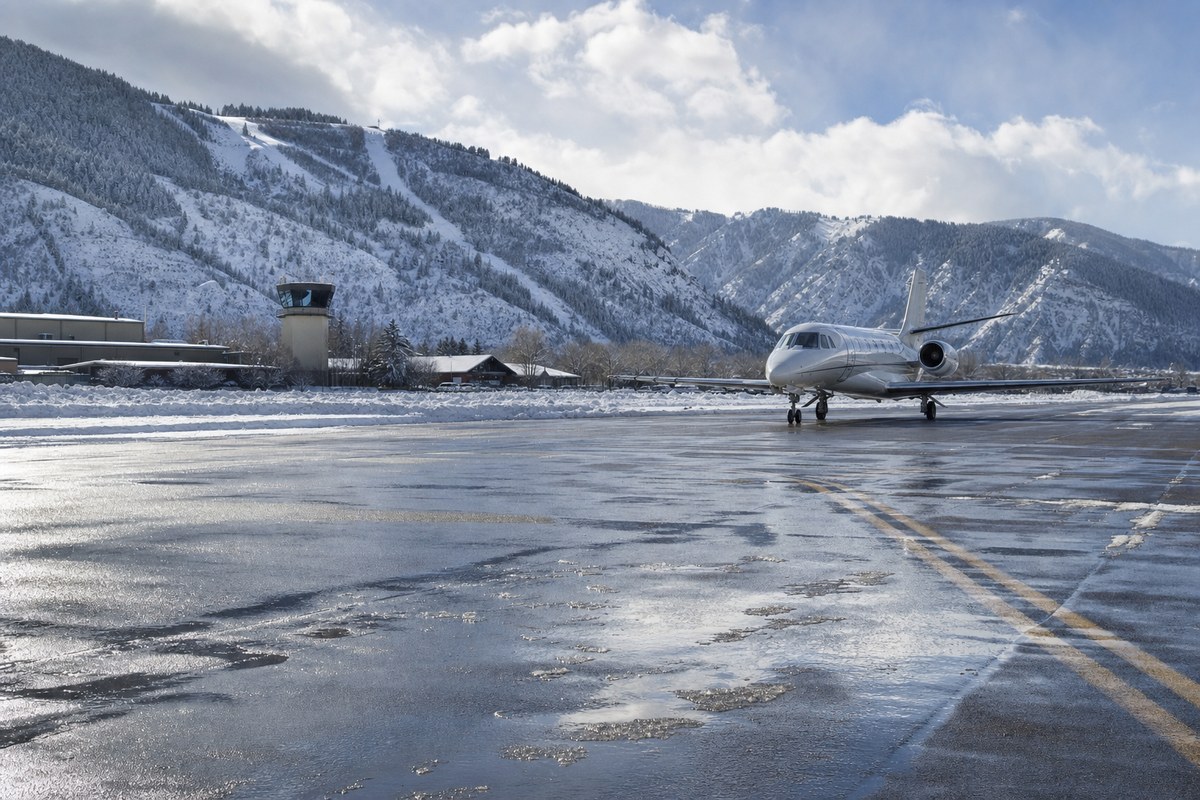
On the approach, the final approach fix DOYPE sits at 11,700 feet, with a 6.59-degree descent path and Category C minimums at 10,960 feet — only 740 feet below DOYPE. The missed approach point CEYAG is approximately 2.6 miles from the runway threshold. If the airport is not in sight until CEYAG, crews must lose more than 3,100 feet in roughly 2.6 miles, requiring a descent rate of around 1,500 feet per minute. Tailwinds, described as common outside early morning hours, further compress that margin. Some operators also circle to land on Runway 33, and winds above approximately 10 knots can produce additional handling difficulty.
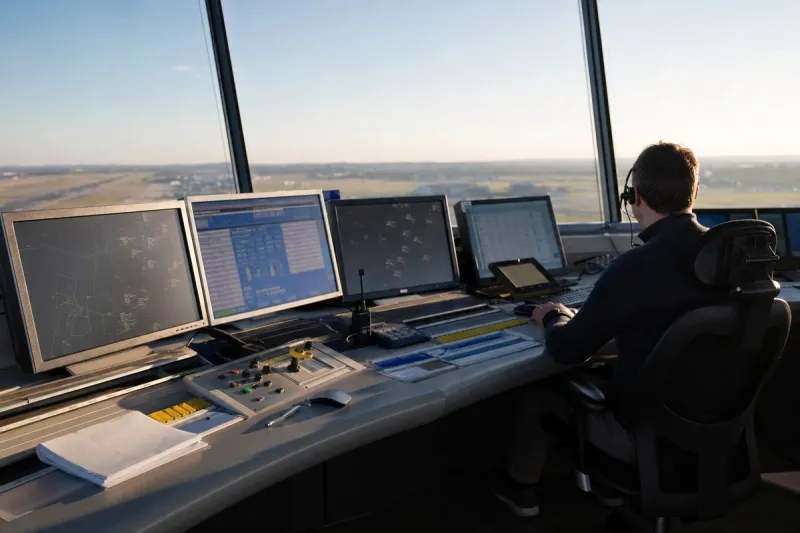
ASE normally operates with arrivals on Runway 15 and departures on Runway 33, a traffic flow the FAA addresses in an advisory note to pilots. During busy periods, controllers sequence movements using procedures including "Westbound-in-Front-of" and "Wrap," requiring departing crews to be fully briefed and ready to move immediately after clearance. The FAA also warns that the airport's FMS database may contain both the public LOC-DME E approach and the Special LOC-DME Runway 15 approach, which requires Flight Standards authorisation and differs in crossing altitudes; crews must verify that the loaded procedure matches the one cleared, briefed, and authorised.
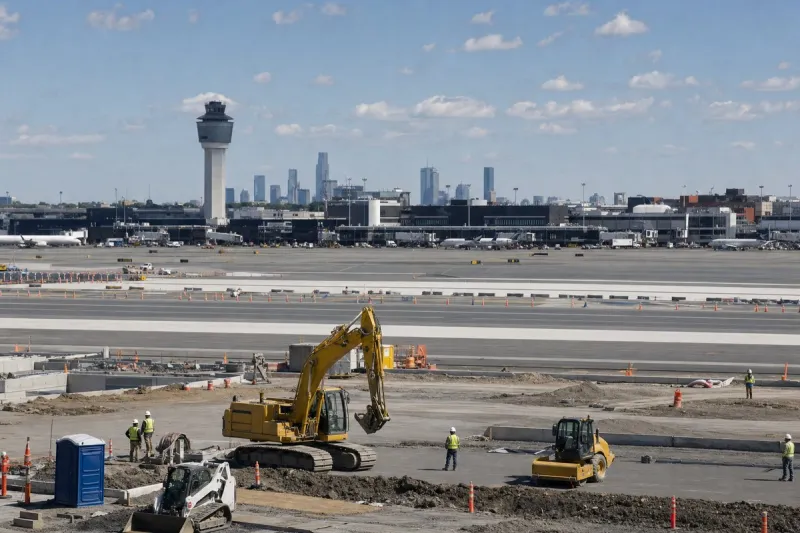
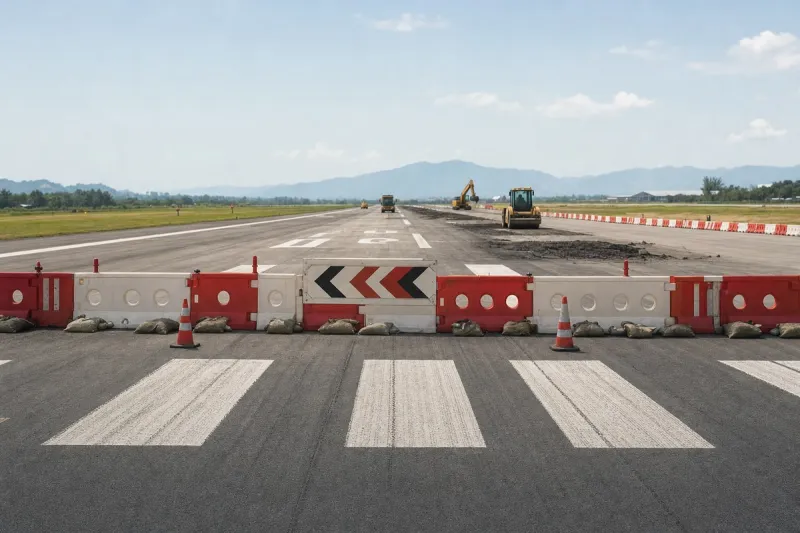
For alternates, Montrose Regional Airport (KMTJ) is noted as one contingency option, though ground transport from Eagle County Regional Airport (KEGE) or Rifle Garfield County Airport (KRIL) to Aspen can take up to 90 minutes in normal winter driving conditions, and transport from Grand Junction Regional Airport (KGJT) or KMTJ may take considerably longer. ASE is also approaching a significant infrastructure change: enabling works for a runway reconstruction project have already begun, and the airport is scheduled to close to aircraft operations from April 4 to November 19, 2027, while the runway is rebuilt and shifted approximately 80 feet westward. Runway width will increase from 100 to 150 feet, and the maximum permitted aircraft wingspan will rise from 95 feet to 118 feet. The 2026–27 ski season will be the last full winter season before the closure.
Industry impact & what to watch
Aspen belongs to a category of mountain-valley airports where approach geometry itself, not just weather, sets the operational ceiling: a short vertical buffer between the final approach fix and minimums, a steep descent path, and a missed approach point close to the threshold leave little room for error even before wind or traffic are added. In this segment, crew qualification, aircraft performance at altitude, and precise procedure verification function as the real safety margin, because the terrain and airspace design cannot be changed to compensate for a rushed approach or a mismatched database procedure.
How alternates are chosen matters as much as how the approach itself is flown. When nearby fields like Eagle County or Rifle require up to 90 minutes of ground transport to reach Aspen, and Grand Junction or Montrose take longer still, a diversion decision has consequences well beyond the flight itself, shaping how operators plan fuel, timing, and passenger logistics for the season.
The scheduled runway reconstruction, closing the airport from April 4 to November 19, 2027, and widening the runway while raising the permitted wingspan limit, will reshape these dynamics once complete, but the 2026–27 season is the last full winter of operations under current constraints. Whether crews, dispatchers, and controllers can maintain discipline around procedure verification and traffic sequencing through that final season, before the airfield moves closer to current FAA standards, is what determines how the current risk profile plays out until the project finishes.