UK Ministry of Defence denies military jet caused air traffic control failure that disrupted airports
Why It MattersThe episode underscores that flight-data processing weaknesses can force network-wide airspace restrictions regardless of the data's origin, pressuring air navigation providers to prove their safeguards actually hold after prior fixes.
What happened
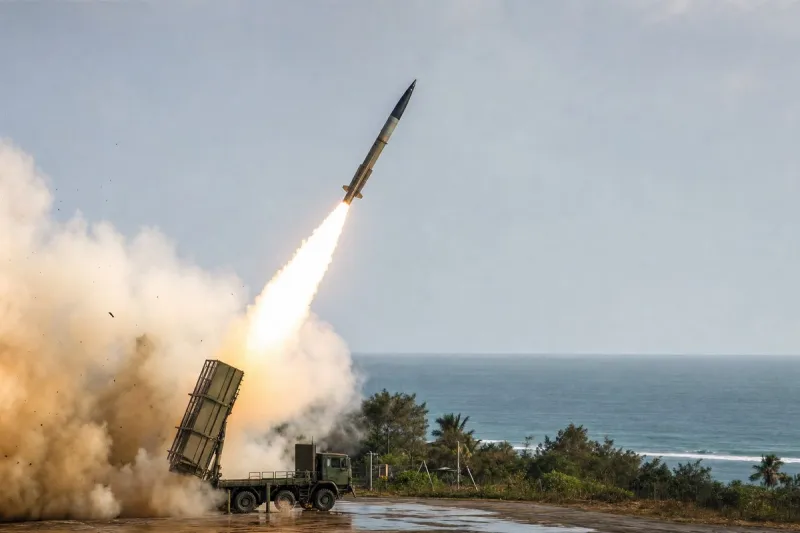
The UK Ministry of Defence has publicly rejected claims that flight data submitted by a British military aircraft triggered the air traffic control failure that caused widespread disruption to UK airports. Reports circulating at the end of the week suggested that a flight plan linked to a UK defence aircraft may have introduced "spurious" or unusual data into National Air Traffic Services (Nats) systems, overwhelming key processing elements and forcing controllers to restrict movements while the fault was investigated.

The MoD issued a firm denial, stating it does not accept that the RAF or other defence operators were responsible for the technical malfunction within Nats' systems. The department declined to comment on specific aircraft movements but made clear it did not recognise the claims.
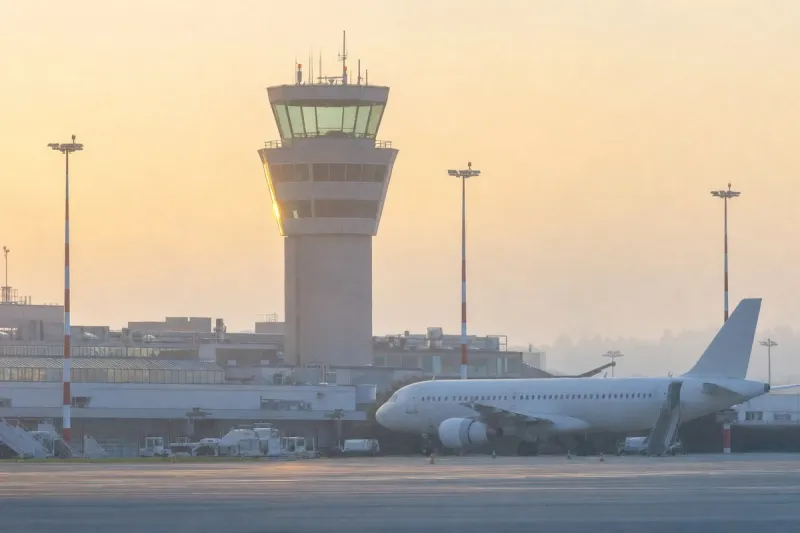
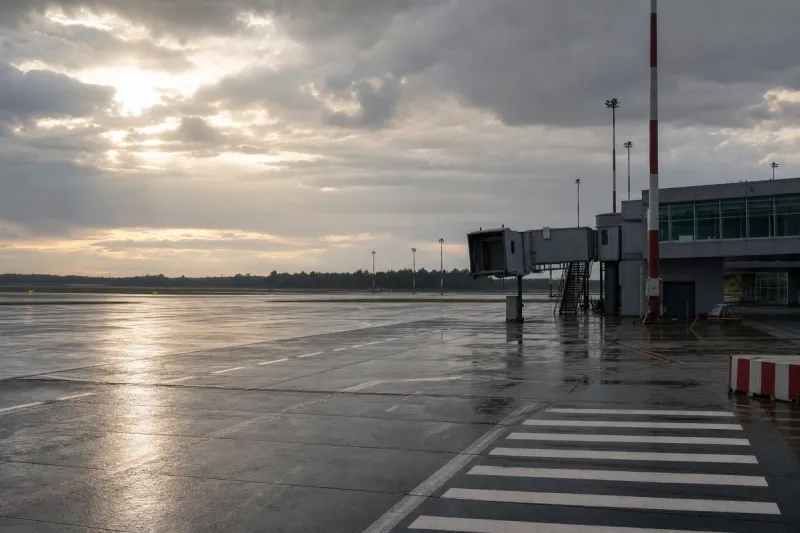
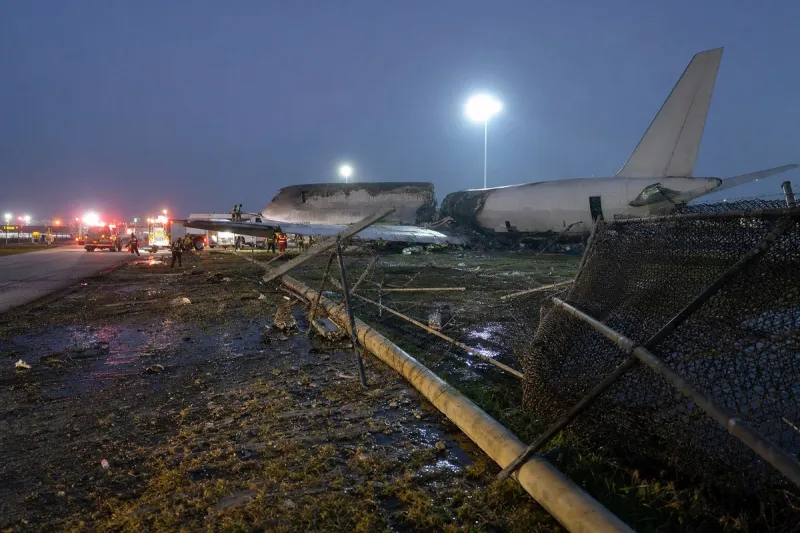
The disruption led to hundreds of cancellations and heavy delays at London's main hubs and regional airports, with passengers stranded at terminals and knock-on effects spreading across European networks. Airlines have described the failure as avoidable and cited structural weaknesses in Nats' resilience and incident response. Travel industry analysts estimate that direct costs for airlines and airports, together with passenger compensation under UK and EU rules, could reach tens of millions of pounds.
The 2023 comparison
Comparisons have been drawn with the August 2023 Nats failure, in which an unusually formatted but valid flight plan exposed a software weakness and forced restrictions on UK airspace. Analysts are questioning whether improvements pledged by Nats after that incident were sufficient to prevent a recurrence.
Industry impact & what to watch
A single flight plan, whatever its origin, was again able to strain systems that the entire UK airspace network depends on for separation and sequencing, and that dependency is the structural issue regulators keep returning to. Air navigation service providers process a continuous mix of civilian and military flight data through shared systems, so any weakness in how unusual or malformed entries are handled becomes a network-wide risk rather than a single-operator problem.
Formal investigations are expected to examine how the triggering flight plan was processed, whether existing safeguards operated as designed, and what additional protections may be needed when handling data from civilian and military sources. Parliamentary committees may also revisit earlier recommendations on critical infrastructure resilience.
The next marker will be whether Nats and regulators can publish a definitive account that identifies the technical cause and confirms whether the 2023 fixes were bypassed, overwhelmed, or simply untested against this scenario.